
Plants
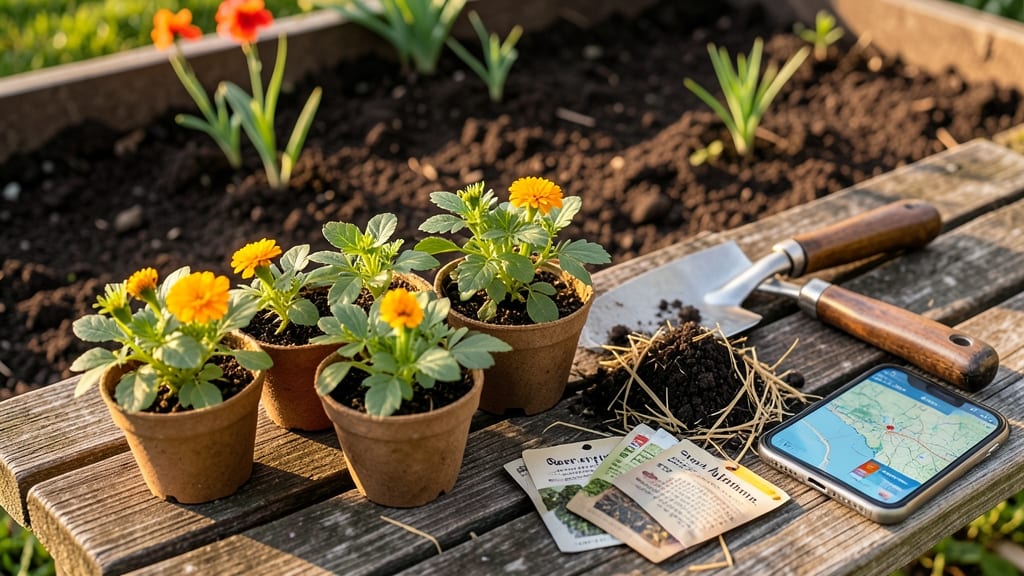
Timing your annuals planting in Pennsylvania can mean the difference between a garden bursting with 🌸 vibrant blooms and one that struggles through frost-burned leaves. With USDA Zones 5b-6b, you’ve got a narrow window—miss it by even a week, and your marigolds or petunias might never recover.
Most Pennsylvania gardeners wait until after the last frost date (typically late April to early May), but that’s just the starting point. The real secret lies in understanding your microclimate—whether you’re in Pittsburgh’s cooler valleys or Philadelphia’s slightly warmer urban pockets.
One wrong move, and you’re staring at wilted seedlings before summer even begins.
Don’t worry, though—I’ll walk you through the exact deadlines, soil prep tricks, and even how to stretch your growing season with row covers. By the end, you’ll know exactly when to plant for zero frost damage and maximum blooms, no matter where in PA you’re gardening.
Ready to transform your yard into a summer-long paradise? Let’s dive into the perfect planting schedule for your zone—and keep those annuals thriving from first sprout to final harvest.
Pennsylvania annual planting deadlines by last frost date (Zone 5b-6b)
Timing your annual flower and vegetable plantings in Pennsylvania hinges on two critical dates: the last spring frost and the first fall frost.
In USDA Zone 5b-6b, these dates vary by region—Philadelphia typically sees its last frost around April 15, while Pittsburgh and Erie may wait until May 1. For warm-season annuals like tomatoes and petunias, waiting until after these dates ensures survival.
Cool-season annuals such as pansies and lettuce have more flexibility. You can plant them as early as late March under row covers or wait until mid-April for direct sowing.
The key is avoiding frost-sensitive varieties during late spring's unpredictable cold snaps. Always check local frost date forecasts from Penn State Extension for real-time updates.
For warm-season annuals, the window is tight. After your region's last frost, plant heat-loving varieties like marigolds and zinnias immediately. Delaying beyond June 1 risks stunted growth before the first fall frost hits in mid-October.
In contrast, cool-season annuals can handle light frosts and even thrive in cooler weather.
Regional microclimates add complexity. Urban areas like Philadelphia often warm up faster than rural zones, while Erie near Lake Erie may experience delayed frost dates. Use these general guidelines as a starting point, then adjust based on your specific location and microclimate observations.
| Plant Type | Best Planting Time | Last Frost Deadline | Notes |
|---|---|---|---|
| Warm-Season Annuals (Tomatoes, Petunias, Marigolds) | After last frost (late April - early May) | Philadelphia: April 15 Pittsburgh/Erie: May 1 |
Soil temp ≥60°F; use row covers if early planting |
| Cool-Season Annuals (Pansies, Lettuce, Snapdragons) | Late March - mid-April (or September for fall) | March 20 - April 15 | Tolerates light frost; ideal for early/late seasons |
| Heat-Tolerant Annuals (Sunflowers, Zinnias, Cosmos) | May 15 - June 15 | No strict deadline; thrives in summer heat | Direct sow after soil warms; drought-resistant |
| Fall Annuals (Kale, Radishes, Pansies) | August - September | Before first frost (Oct 15) | Plant 6-8 weeks before frost for harvest |
Understanding your local frost dates is non-negotiable. For example, Philadelphia’s earlier last frost means you can start planting warm-season annuals 1-2 weeks ahead of Pittsburgh. Use Penn State Extension’s frost maps or local garden clubs for hyper-localized advice.
Even a 1-week difference can mean the difference between thriving plants and frost-killed seedlings.
For container gardening, the rules shift slightly. Pots warm up faster than soil, so you can plant warm-season annuals 1-2 weeks earlier than in-ground. However, containers also dry out quicker, requiring daily watering during Pennsylvania’s hot summers.
Monitor soil temperature with a thermometer—aim for 60°F or higher before planting heat-lovers.
Don’t overlook succession planting to maximize your garden’s potential. After harvesting early cool-season crops like lettuce, replace them with warm-season varieties like basil or beans. This keeps your garden productive from spring to fall without gaps. Just ensure each new planting aligns with its optimal temperature range.
Pro tip: Mark your calendar for May 10 as a safe bet for most of Pennsylvania’s Zone 5b-6b regions. By this date, the risk of frost has typically passed, and soil temperatures are ideal for warm-season annuals.
For fall planting, aim to sow seeds by August 15 to ensure harvests before the first frost.
When in doubt, start small with a few frost-hardy annuals like pansies or calendulas. These tolerate cooler temps and give you time to adjust your planting schedule based on real-world conditions. Your garden’s success depends on reading the microclimate as much as following general guidelines.
How to extend your Pennsylvania planting season without frost damage
Pennsylvania’s short growing season (just 165 frost-free days) means you need clever tricks to squeeze every bloom out of your annuals. The key is protecting tender plants from late spring frosts and early fall chills while maximizing your garden’s potential.
Whether you’re in Pittsburgh’s cooler microclimate or Philadelphia’s slightly warmer pockets, these strategies will help you plant earlier or keep blooms going later.
Start with cold frames or row covers—these simple tools can push your planting window by 2-4 weeks in spring and fall. For example, I’ve used floating row covers to plant marigolds and snapdragons as early as mid-April in my Zone 6a garden, long before the last frost date.
These covers also shield young plants from light frosts (28-32°F), which can scorch leaves without killing the plant.
Another game-changer is succession planting. Instead of one big planting in May, stagger seeds every 2-3 weeks to ensure continuous blooms. I plant zinnias and cosmos in batches—first in late April under cover, then again in early June for a fall harvest.
This way, I enjoy flowers from June through October without gaps.
🌱 5 Proven Ways to Extend Your PA Planting Season
- 🌡️ Use cold frames to start seeds 4-6 weeks earlier than outdoor dates. Ideal for cool-season annuals like pansies and lettuce.
- 🛡️ Row covers protect from light frosts (28-32°F)—perfect for warm-season annuals like tomatoes and peppers planted in early May.
- 🌱 Succession plant every 2-3 weeks for nonstop blooms. Try basil and nasturtiums in late summer for fall harvests.
- ☀️ Choose heat-tolerant varieties like celosia or portulaca, which thrive in 90°F+ temperatures and extend your late-season color.
- 🌿 Mulch heavily with straw or leaves to insulate soil and keep roots 5-10°F warmer at night.
Don’t overlook heat-tolerant annuals for fall planting. Varieties like celosia, portulaca, and zinnias handle 90°F+ temperatures better than petunias or marigolds, so they’ll keep blooming long after other flowers have faded.
I’ve had celosia flowering in my Philadelphia garden well into November with just a light row cover on chilly nights.
For cool-season extensions, try fall-planted pansies or calendula. These hardy annuals survive light frosts (28°F) and often rebloom in spring. I’ve seen pansies in my Pittsburgh garden push through snow to bloom again in April—a free head start on the season!
Finally, monitor local frost dates using resources like the Penn State Extension or National Weather Service. Their microclimate maps show that Erie’s last frost can be 2 weeks earlier than Scranton’s, so adjust your timing accordingly.
With these tricks, you’ll turn Pennsylvania’s short season into a year-round color show—or at least a longer-than-average one!