
Planting
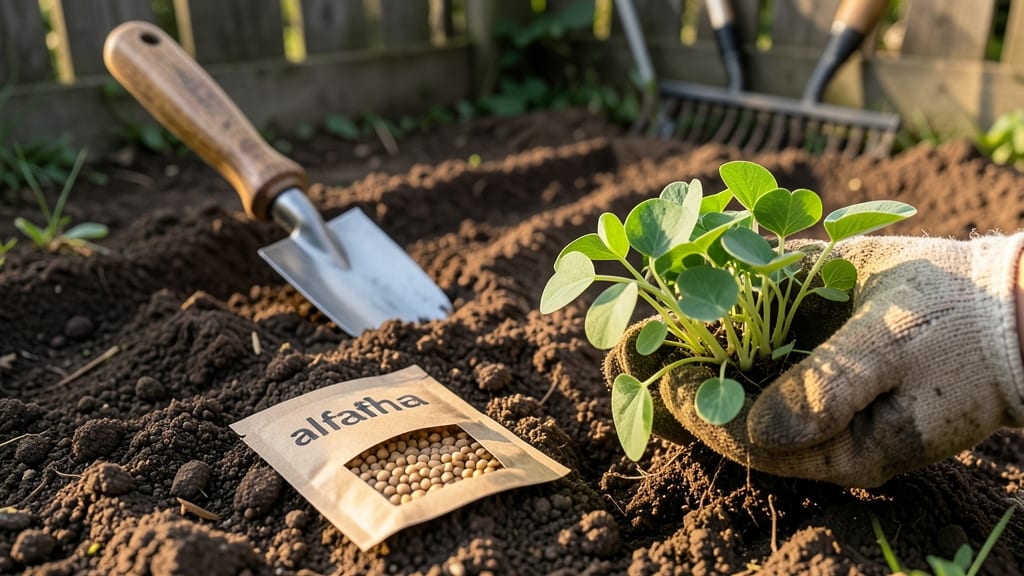
Planting alfalfa in the fall gives your crop a head start on deep root growth before winter—if you nail the timing. Too early, and frost can damage tender seedlings; too late, and your plants won’t establish strong enough roots before dormancy.
For USDA Zone 6a (and similar climates), the ideal window is late August to early September, when soil stays warm enough for germination but nights cool down to protect young shoots.
Why does this matter? Fall-planted alfalfa 🌱 often outperforms spring plantings because it avoids summer heat stress and establishes a robust root system before winter. This means healthier plants, better yields in the second year, and less competition from weeds.
But getting the timing right isn’t just about dates—soil temperature, frost risk, and variety choice all play a role in success.
If you’ve ever struggled with weak alfalfa growth or wondered whether fall planting is worth the effort, this guide will give you the exact steps to do it right. We’ll break down zone-specific planting windows, soil prep tips, and how to spot when your timing is perfect (or needs adjustment).
Let’s make sure your alfalfa thrives from the get-go.
From frost tolerance thresholds to the best cold-hardy varieties, you’ll learn how to set your crop up for success—so you can enjoy a lush, productive field next spring. Ready to plant with confidence? Let’s dive in.
Optimal fall planting dates for alfalfa by USDA hardiness Zones
Timing your alfalfa planting in the fall is all about giving seedlings enough time to establish deep roots before winter dormancy. The ideal window is 6-8 weeks before your first frost, but this varies dramatically by USDA zone.
In colder regions (Zones 3-5), aim for early to mid-August—alfalfa needs time to harden off before sub-freezing temperatures arrive. Warmer zones (Zones 7-9) can extend planting until late September or early October, as mild winters reduce frost risk.
For example, in Zone 6a (like much of the Midwest), I target mid-to-late August for fall plantings. This gives seedlings 4-6 weeks of warm soil before the first frost hits around mid-October.
In Zone 4 (e.g., Minnesota), I plant no later than early August to avoid winterkill from harsh frosts.
Southern gardeners in Zones 8-10 have more flexibility. Here, I often plant alfalfa in September, even up to early October, since winter temperatures rarely drop below 30°F.
The key is ensuring soil temps stay above 50°F for at least 4 weeks post-planting—alfalfa seeds won’t germinate well in cold soil.
Pro tip: Check your local frost dates using the USDA Plant Hardiness Zone Map and count backward. Add 2-3 extra weeks to account for slower growth in shady spots or poor soil.
For instance, if your frost date is October 15, plant by September 1 in Zone 5 to be safe.
Regional microclimates can shift these dates by 1-2 weeks. For example, coastal areas (like Pacific Northwest) may have milder winters and can plant later, while inland valleys (like Central California) might need to plant earlier due to frost pockets.
Always monitor local weather forecasts in the weeks leading up to planting.
Another critical factor is soil drainage. Alfalfa hates soggy soil in winter, which can lead to root rot. In heavy clay soils, I recommend planting 2 weeks earlier than the zone guidelines to ensure roots establish before winter rains set in.
Amend soil with compost or sand if drainage is poor—this improves oxygen flow and winter survival.
If you’re unsure about your zone, use the USDA Interactive Map to pinpoint your exact location
Optimal fall planting dates for alfalfa by USDA hardiness Zones
Timing your alfalfa planting in fall depends entirely on your USDA hardiness zone. The golden rule? Plant 6-8 weeks before your first frost to give seedlings time to establish roots before winter.
In Zone 5, that means mid-August; in Zone 8, you can push it to early October. Northern climates need earlier dates, while southern zones offer a longer window.
For Zone 6a (like much of the Midwest), aim for late August to early September. This gives your alfalfa seeds 4-6 weeks of warm soil before temperatures drop below 50°F.
If you plant too early, seedlings may bolt (flower prematurely) or get leggy. Too late, and frost will kill tender sprouts before they take root.
🌱 Pro Tip: Check your local frost dates (try the Old Farmer’s Almanac app) and count backward. Adjust by 1-2 weeks if your soil stays warm longer than average.
| USDA Zone | Ideal Planting Window | Soil Temp Goal | Frost Risk |
|---|---|---|---|
| Zones 3-4 | Late July to mid-August | 55-65°F | High (plant early!) |
| Zones 5-6 | Late August to early September | 60-70°F | Moderate |
| Zones 7-8 | Mid-September to early October | 65-75°F | Low (longer window) |
| Zones 9-10 | October (avoid Nov+) | 70-80°F | Minimal (mild winters) |
Northern gardeners (Zones 3-4) should prioritize early planting to avoid winterkill. Southern growers (Zones 9-10) can plant later but must finish by October—alfalfa hates freezing soil. Test your soil temperature with a soil thermometer (aim for 60°F+) to confirm readiness.
Regional tweaks matter: In Pacific Northwest zones, wait until September to avoid cool, wet springs that slow germination. In Midwest zones, August is ideal—soil stays warm enough for quick sprouting. Always amend soil with compost before planting to improve drainage and warmth retention.
🌿 Key Takeaway: Fall alfalfa thrives when planted 6-8 weeks before frost in warm soil. Use the table above as your zone-specific guide, then adjust by 1 week based on your microclimate. For example, if your yard stays warm longer than average, push planting to early September.