
Plants
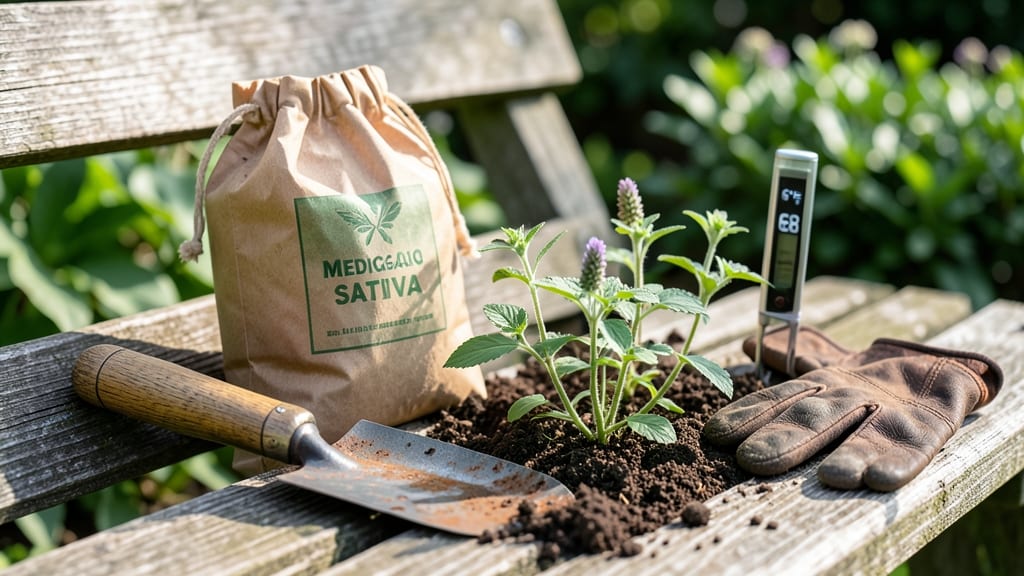
Timing your alfalfa planting in Georgia isn’t just about following a calendar—it’s about beating the heat and humidity to give your 🌱 crop the best shot at survival. With Georgia’s 7b-8b zones and unpredictable spring showers, planting too early risks frost damage, while waiting too long means battling summer’s intensity.
Most gardeners in Georgia swear by late winter to early spring (February-March) as the sweet spot, but there’s more to it than just months. Soil temperatures, local microclimates, and even your elevation can shift the ideal window by weeks.
Let’s break down how to sync your planting with Georgia’s unique growing conditions for drought-resistant, high-yield crops.
You’ll discover why March is the gold standard for most regions, but how coastal areas might push back to April. I’ll also share how to adjust for Georgia’s infamous heat spikes and when fall planting could be a game-changer for your second crop.
Ready to stop guessing and start growing? These insights will help you avoid common mistakes that waste time, money, and effort—so you can focus on reaping a lush, productive alfalfa harvest from spring through fall.
Best planting months for alfalfa in Georgia’s climate zones
Alfalfa thrives in Georgia’s USDA zones 7b-8b, but the right planting window depends on your specific region.
Coastal areas like Savannah (zone 8a) have longer growing seasons, while the Piedmont (zone 7b) faces earlier frosts. Timing is everything—plant too early, and cold soils delay germination; too late, and summer heat stresses young plants.
For most of Georgia, late winter to early spring (February–March) offers the ideal balance of warm soil temperatures (50–60°F) and moderate rainfall.
This aligns with Georgia’s last frost dates, which typically range from mid-March in the mountains to early April along the coast. Fall planting is risky due to Georgia’s unpredictable autumn rains and early frosts.
Alfalfa’s drought resistance makes it perfect for Georgia’s climate, but planting too late in spring can lead to stunted growth before the first harvest. The ideal window is 4–6 weeks before your region’s last frost date, giving seedlings time to establish roots before summer heat arrives.
| Georgia Region | USDA Zone | Best Planting Month | Last Frost Date | Key Consideration |
|---|---|---|---|---|
| North Georgia (Blue Ridge) | 7a-7b | Late February–March | Mid-March | Cooler soils; use black plastic mulch |
| Piedmont (Atlanta) | 7b-8a | Early March–April | Early April | Moderate rainfall; watch for fungal risks |
| Coastal (Savannah) | 8a-8b | March–Early April | Late March | Higher humidity; improve drainage |
| Valley (Columbus) | 8a | Late February–March | Early April | Drought-prone; irrigate young plants |
If you’re in zone 7b (e.g., Athens or Gainesville), aim for March 1–15 to avoid late frosts. For zone 8b (e.g., Brunswick or Valdosta), late February works, but monitor soil temps—alfalfa seeds won’t germinate below 50°F. Pro tip: Use a soil thermometer to confirm readiness.
Georgia’s unpredictable spring rains can also delay planting. If your soil stays too wet, wait until moisture levels drop to 40–50% field capacity. Compacted or clay-heavy soils (common in the Piedmont) should be amended with compost or sand to improve drainage and aeration.
For organic gardeners, consider cover cropping with clover before planting alfalfa. Clover improves soil nitrogen—alfalfa’s primary nutrient—while reducing erosion. Plant alfalfa after the clover reaches peak biomass (6–8 weeks), then till it under before seeding.
In drought-prone areas (e.g., southwest Georgia), irrigate lightly for 10–15 minutes daily until seedlings emerge (about 7–14 days). Once established, alfalfa’s deep roots make it highly drought-tolerant, but young plants need consistent moisture to avoid stress.
Finally, avoid planting alfalfa in late summer or fall—Georgia’s humidity and fungal pressures (like leaf spot) increase during these months. If you miss the spring window, your best bet is to start seeds indoors in January and transplant after the last frost.
By aligning your planting with Georgia’s microclimates and frost dates, you’ll maximize alfalfa’s drought resistance and yield potential. Next, we’ll dive into how soil temperature and rainfall fine-tune your perfect planting moment. 🌱
How soil temperature and rainfall affect alfalfa germination timing
Alfalfa thrives in Georgia’s climate, but soil temperature and rainfall patterns can make or break germination. In USDA zones 7b-8b, alfalfa seeds need soil temperatures between 50°F and 60°F to sprout consistently. If the ground is too cold, seeds may rot; if too hot, they’ll dry out before germinating.
Georgia’s coastal regions often warm earlier than the Piedmont or mountains, so timing varies by location.
Rainfall is equally critical—alfalfa needs consistent moisture during germination but can’t tolerate waterlogged soil. In dry spring months, like April, irrigation may be necessary to keep seeds moist until roots establish.
Conversely, heavy summer rains can wash seeds away or cause fungal issues. Adjust your planting schedule based on your local rainfall forecasts and soil drainage.
Soil temperature is the first factor to monitor. Use a soil thermometer to check depths of 1-2 inches—this is where alfalfa seeds germinate. If temperatures dip below 50°F, wait until conditions stabilize. In northern Georgia (zone 7a), this might mean delaying until late March, while southern Georgia (zone 8b) can start as early as February.
🌱Pro Tip: Test your soil’s moisture-holding capacity. Sandy soils dry out faster, while clay soils may need amendments like compost to improve drainage. Aim for 1-1.5 inches of water per week during germination, whether from rain or irrigation.
⚠️ Avoid Planting When:
- Soil temps exceed 70°F—seeds dry out before sprouting.
- Heavy rains are forecasted—seeds can wash away or rot.
- Frost is still a risk—new seedlings are frost-sensitive.
Use a weather app to track 5-day forecasts and adjust planting dates accordingly.
Georgia’s microclimates add another layer of complexity. Coastal areas like Savannah (zone 8a) often see earlier springs, while the Blue Ridge Mountains (zone 7a) may have delayed planting due to higher elevations.
If you’re unsure about your local conditions, consult your county extension office for tailored advice. They can provide historical planting data specific to your area.
Once seeds germinate, alfalfa’s drought tolerance kicks in, but the first 4-6 weeks are critical. Mulch lightly with straw to retain moisture and suppress weeds, but avoid piling mulch directly on seeds. Morning watering is ideal—it reduces evaporation and fungal risks compared to evening watering.
By aligning your planting with soil temperature, rainfall patterns, and local microclimates, you’ll give alfalfa the best shot at thriving in Georgia’s challenging conditions. Patience during germination pays off with lush, drought-resistant growth for years to come. 💧