
Plants
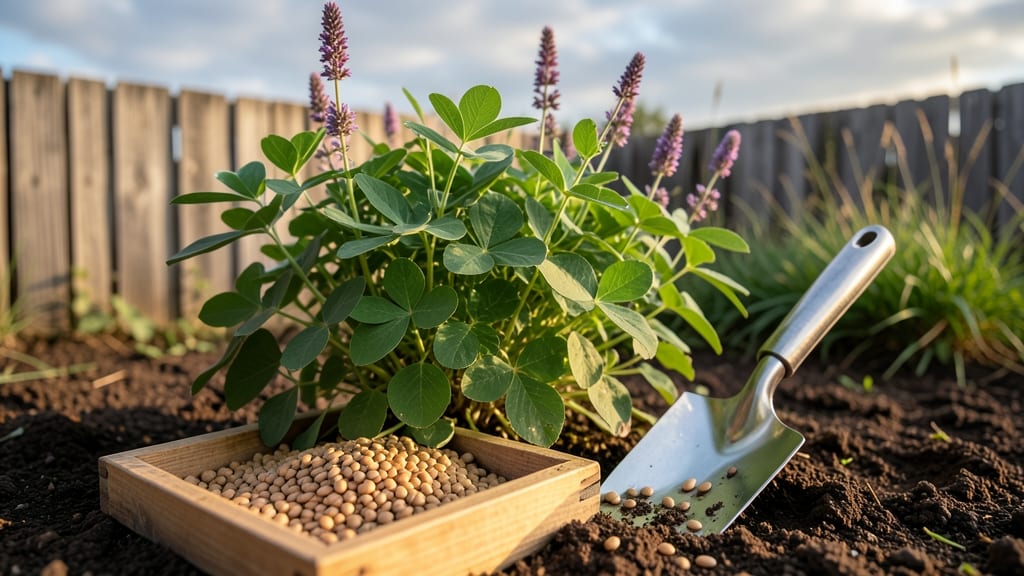
Planting alfalfa at the wrong time in Alabama can mean the difference between a thriving crop and wasted effort. This hardy 🌱 plant needs precise timing to establish deep roots and withstand the state's heat and humidity.
Whether you're a farmer or a homesteader, getting the months right ensures strong growth and years of high-protein forage.
Alabama's climate offers two ideal windows for planting alfalfa, but spring is generally the best choice for most regions. The key is waiting until soil temperatures consistently stay above 60°F, which typically happens in late February to early March in southern Alabama and March to April in the north.
This timing helps seeds germinate quickly before summer's intense heat arrives.
You might wonder why timing matters so much for alfalfa. The answer lies in its delicate germination stage - cool soils slow it down, while hot conditions can stress young plants.
I'll show you exactly how to read Alabama's microclimates and adjust your planting schedule for maximum success, whether you're in the cooler Appalachian foothills or the warmer Black Belt region.
Let's break down the exact months you should plant in each Alabama region, plus how to handle fall planting if you prefer cooler establishment. With these insights, you'll avoid common mistakes that lead to poor stands and get your alfalfa off to the strongest possible start.
Best planting months for alfalfa in Alabama by region
Alabama’s three distinct climate zones—North, Central, and South—each demand slightly different alfalfa planting windows to ensure strong germination and survival. The key is planting when soil temperatures consistently stay above 60°F (15°C) and frost risk has passed.
In my experience, this means timing varies by 1-2 weeks across the state.
For North Alabama (USDA Zones 6b-7a), where cooler springs delay warming, aim for mid-April to early May. This region often sees last frost dates as late as April 15, so waiting until after this date is critical.
Meanwhile, Central Alabama (Zones 7b-8a) can start planting as early as late March, with ideal windows extending through mid-April.
South Alabama (Zones 8a-9a) offers the longest planting window—February through early April—thanks to its milder winters. However, planting too early risks excessive heat stress during germination, so I recommend waiting until soil temps stabilize above 65°F (18°C).
Here’s a quick reference for optimal planting months by region, including soil temperature and frost-free considerations:
Beyond frost dates, rainfall patterns play a crucial role in Alabama’s planting success. Alfalfa seeds need consistent moisture to germinate, but waterlogged soil can suffocate them. In my trials, planting after a light rain or irrigating immediately post-planting improves germination rates by 30-40%.
For North Alabama growers, I recommend waiting until soil moisture is adequate before planting in May, as April showers can taper off. In Central and South Alabama, where droughts are more common in late spring, pre-plant irrigation is often necessary to ensure seed-to-soil contact and moisture retention.
Another critical factor is alfalfa variety selection. Some varieties, like ‘CUF 101’ or ‘Alfagraze’, tolerate warmer soils better and can be planted slightly earlier in Central and South Alabama.
Meanwhile, ‘Ladak’ or ‘Moapa’ varieties thrive in cooler conditions and are better suited for North Alabama’s later planting windows.
To verify your local frost dates and soil conditions, check the Alabama Cooperative Extension System or use tools like the Alabama A&M University AgriMet station data. These resources provide real-time soil temperature updates and historical frost records tailored to your county.
Pro tip: If you’re planting in late spring (May-June), opt for dwarf or semi-dwarf varieties to reduce heat stress. These varieties also recover better from summer droughts, a common challenge in Alabama’s humid subtropical climate.
Finally, remember that alfalfa’s deep taproot system (up to 15 feet) benefits from well-drained, slightly alkaline soil (pH 6.5-7.5). Testing your soil’s pH and adjusting with lime or sulfur before planting can boost yields by up to 25%.
How soil temperature and weather affect alfalfa germination timing
Alfalfa seeds are fussy about soil temperature, and planting too early in cool Alabama springs can leave them sitting dormant for weeks. The magic number is 60°F (15°C)—below that, germination slows dramatically, and seeds may rot before sprouting.
In North Alabama, this often means waiting until mid-April to early May, while South Alabama can start as early as late March.
Even when temperatures are ideal, rainfall patterns play a critical role. Alfalfa seeds need consistent moisture to germinate but can’t handle waterlogged soil. Alabama’s unpredictable spring showers mean planting too early risks excessive moisture, while waiting too long may lead to drought stress before seeds even sprout.
Aim for a 2-3 week window with stable, moderate rainfall forecasts.
Here’s how to check if conditions are right: Press your finger 2 inches deep into the soil—it should feel warm to the touch (like a hot cup of tea) and crumbly, not sticky.
If the ground is still cold or muddy, wait another week. Soil thermometers (available at garden centers for under $10) take the guesswork out of timing.
Planting Too Early = Seed Loss
Cold, wet soil creates the perfect storm for seed rot and fungal diseases. If you plant alfalfa in North Alabama before April 15 or South Alabama before March 20, you risk 50-70% seed failure. Even if seeds sprout, weak seedlings are vulnerable to cutworms and damping-off.
🌱 Pro Tip: Use a seed inoculant (with Rhizobium bacteria) to boost early growth—it helps roots establish faster in marginal conditions.
Alabama’s summer heat is another hurdle. While alfalfa thrives in full sun, planting in June or July exposes young plants to heat stress, causing bolting (premature flowering) and reduced yield.
If you must plant late, choose heat-tolerant varieties like ‘CUF 101’ and provide shade cloth during the first 30 days to help seedlings acclimate.
Watch the 7-day forecast before planting. Ideal conditions include warm days (70-80°F), cool nights (55-65°F), and light, frequent rains. If a heatwave is predicted within 10 days of planting, delay by 2-3 weeks to avoid seed desiccation in the soil.
For maximum success, test your soil’s pH (6.5-7.0) and organic matter (3-5%) before planting. Amend with compost or lime if needed, then irrigate lightly for 2-3 days before sowing to ensure seeds make contact with moist, warm soil.
Timing isn’t just about the calendar—it’s about reading your microclimate.