
Planting
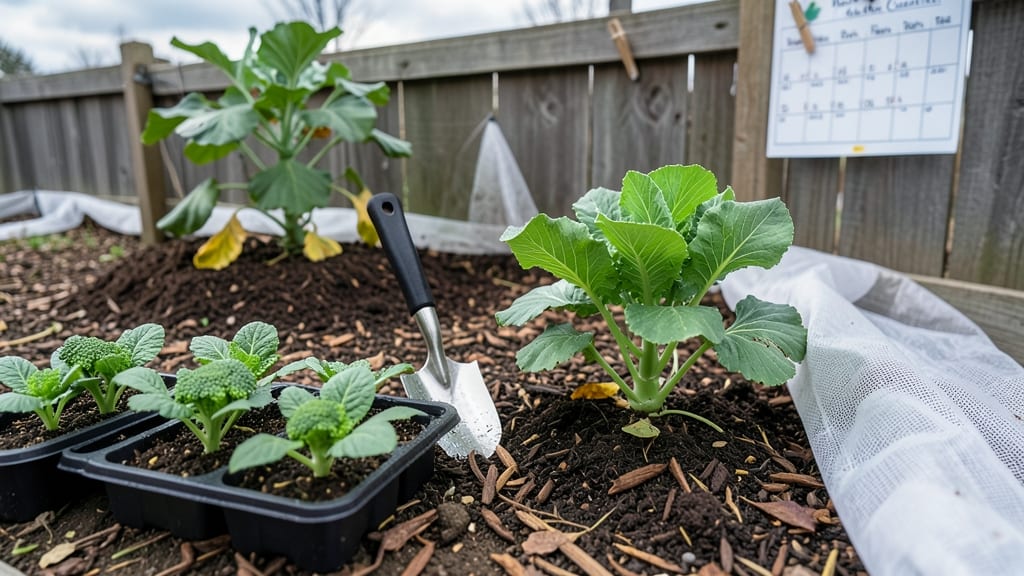
When to plant a vegetable garden in Northern California can mean the difference between a thriving harvest and wasted effort—especially with the region's wild swings from coastal fog to inland heat.
The right planting window isn’t just about the calendar; it’s about understanding your local microclimate, whether you’re in foggy Marin County or the sunbaked Sacramento Valley.
I’ve spent years growing vegetables in this diverse region, and I’ve learned that even a few days off can lead to stunted plants or early bolting. What works for leafy greens in May might ruin your tomatoes if planted too soon.
Let me break down the exact county-by-county deadlines you need to know—so you can start planting with confidence and avoid common mistakes that derail gardens.
From coastal areas where cool summers slow growth to inland valleys where heat zaps moisture, Northern California’s microclimates demand precision. You’ll discover how to adjust planting times for both spring and fall crops, which vegetables thrive in your specific zone, and how to extend your growing season when frost looms.
Ready to transform your garden from guesswork to guaranteed success? Let’s dive into the science—and the secrets—behind planting vegetables at the perfect moment for your corner of Northern California.
Northern California planting zones: microclimate deadlines by county for spring & fall crops
Northern California’s planting zones vary dramatically—coastal areas like Marin County average last spring frosts in early April, while inland valleys like Sacramento see frost-free conditions by mid-March.
Understanding these microclimate deadlines ensures your vegetable garden thrives. Below are county-specific planting windows for spring and fall crops, including heat-sensitive vs. heat-tolerant varieties.
For spring planting, start cool-season crops like lettuce and peas 4-6 weeks before your last frost date. Warm-season crops (tomatoes, peppers) need soil temperatures above 60°F—wait until after your average last frost.
Fall planting follows the opposite logic: sow cool-season crops 6-8 weeks before your first frost to harvest before winter sets in.
Here’s how to use this guide: Match your county to the frost date averages below, then align your planting timeline with the recommended start dates.
For example, if you’re in Sonoma County, plant broccoli by March 15 for a summer harvest, but wait until May 1 for tomatoes to avoid frost damage.
| County | Avg. Last Spring Frost | Avg. First Fall Frost | Spring Start (Cool Crops) | Spring Start (Warm Crops) | Fall Start (Cool Crops) |
|---|---|---|---|---|---|
| Marin | April 10 | November 1 | March 1 | May 15 | July 15 |
| Sonoma | April 5 | October 30 | February 28 | April 15 | July 1 |
| Napa | April 1 | November 5 | March 1 | April 20 | July 10 |
| Sacramento | March 15 | November 15 | February 1 | March 20 | June 15 |
| Shasta | May 1 | October 15 | April 1 | May 10 | June 20 |
*Dates are averages—check local weather for adjustments. Coastal areas may have later frosts.
Notice how coastal counties like Marin have later last frost dates due to marine layer protection, while inland valleys like Sacramento warm up faster. This means heat-tolerant crops like okra or sweet potatoes can thrive in Sacramento by April 1, but would bolt in Marin if planted then.
Always verify soil temperatures with a soil thermometer—aim for 60°F+ for warm-season crops.
For fall planting, prioritize fast-maturing varieties of kale, carrots, and radishes to harvest before frost. In Shasta County, for example, sow spinach by June 20 to harvest before the October 15 frost. Use row covers to extend the season by 2-4 weeks in cooler microclimates.
Pro tip: Succession planting every 2 weeks ensures a continuous harvest. For instance, in Sonoma County, plant lettuce on March 1, March 15, and March 30 for staggered harvests through summer.
Track your local frost dates via Almanac’s Frost Calculator or your local Cooperative Extension office for real-time updates.
Heat-sensitive crops like
How to adjust planting times for coastal vs. valley microclimates in Northern California
Northern California’s coastal fog belts and inland heat valleys create wildly different planting windows. Coastal areas like San Francisco and Monterey often see cooler temperatures year-round, while inland valleys like Sacramento and Fresno experience hotter, drier summers.
Adjusting your planting schedule based on these microclimates can mean the difference between a thriving garden and a failed crop.
For coastal regions, focus on early spring and late summer plantings to avoid the persistent fog that can stunt growth. In contrast, valley areas benefit from late spring starts to escape early-season chills and fall plantings to take advantage of cooler temperatures before winter sets in.
Understanding these differences helps you choose the right heat-sensitive vs. heat-tolerant vegetables for your specific location.
| Microclimate | Key Vegetables | Best Planting Window | Avoid Planting |
|---|---|---|---|
| Coastal (e.g., Marin, Sonoma) | Lettuce, Spinach, Kale, Peas, Broccoli | March–April, August–September | June–July (heat stress) |
| Valley (e.g., Sacramento, Fresno) | Tomatoes, Peppers, Okra, Sweet Potatoes | April–May, July–August | February–March (frost risk) |
| Mountain Foothills (e.g., Napa, Lake) | Carrots, Beets, Brussels Sprouts, Cabbage | March–April, August | June–July (drought stress) |
In coastal areas, use row covers or cold frames to extend your growing season into early spring or late fall.
These tools protect tender plants from chilly coastal winds and morning fog, allowing you to plant leafy greens and root vegetables up to a month earlier than inland gardens.
For example, lettuce and spinach can often be sown in February along the coast, while inland areas should wait until March or April.
For valley gardens, prioritize succession planting to beat the heat. Start heat-tolerant crops like okra and sweet potatoes in late May and follow with fall plantings of broccoli and cabbage in August.
Mulching with straw or wood chips helps retain moisture and keeps soil temperatures stable, reducing the risk of bolting or blossom-end rot in sensitive plants like tomatoes.
If you’re unsure about your local microclimate, check your USDA Plant Hardiness Zone (most of Northern California falls between Zones 8–10) and use a soil thermometer to confirm when soil temperatures reach 50°F for cool-season crops or 60°F+ for warm-season crops.
This simple step ensures your plants thrive from day one.
By tailoring your planting schedule to your specific microclimate, you’ll avoid common pitfalls like stunted growth or premature bolting and enjoy a longer, more productive harvest season. Start small with one or two test crops to fine-tune your timing before expanding your garden.