
Planting
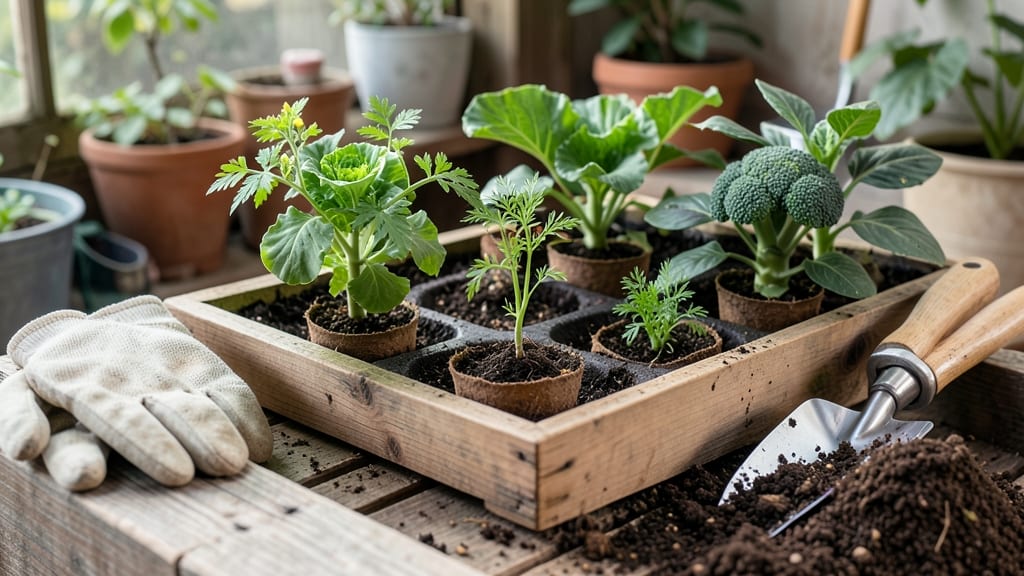
California planting zones: coastal vs. desert timing for vegetables
California’s microclimates create a gardener’s paradise—but also a challenge. While coastal areas like Santa Barbara enjoy year-round growing, inland deserts like Palm Springs face extreme heat and frost risks in winter. Understanding your USDA zone and last frost dates is key to timing plantings perfectly.
Most of California falls between USDA zones 5b and 11, but elevation and proximity to the ocean drastically alter growing conditions.
For example, San Francisco’s coastal fog keeps soils cooler year-round, while the Central Valley’s heat demands early spring or late summer plantings for heat-sensitive crops like tomatoes or peppers.
Here’s how to match your planting schedule to your region’s unique climate:
| Region | USDA Zone | Last Frost Date | First Frost Date | Best Planting Window | Heat-Sensitive Crops |
|---|---|---|---|---|---|
| Coastal (e.g., San Francisco, Santa Barbara) | 8b-10 | None (year-round) | None (rare) | Year-round (cool season: Sept-Apr; warm season: May-Aug) | Lettuce, Spinach, Broccoli |
| Central Valley (e.g., Sacramento, Fresno) | 9a-10 | Mid-December | Mid-January | Spring (Feb-Apr), Fall (Aug-Sept) | Tomatoes, Peppers, Cucumbers |
| Desert (e.g., Palm Springs, Joshua Tree) | 9b-11 | Mid-December | Mid-January | Winter (Nov-Feb) only | Okra, Sweet Potatoes, Black-Eyed Peas |
| Mountain (e.g., Lake Tahoe, Sierra Foothills) | 5b-7b | Late May | Mid-October | Short season (May-Sept) | Potatoes, Kale, Carrots |
Pro Tip: Coastal areas can grow winter greens (like kale) even in summer, while desert gardeners must rely on shade cloth for heat-sensitive plants.
If you’re in a coastal zone, you can plant leafy greens like lettuce or spinach year-round, but warm-season crops (tomatoes, peppers) thrive in spring and fall when temperatures are moderate. In contrast, desert gardeners must time plantings for cool winter months, avoiding summer’s scorching heat.
For mountain regions, the growing season is short and intense. Focus on fast-maturing varieties like bush beans or radishes (harvest in 30-45 days) to maximize yields before frost. Even in these areas, succession planting (sowing seeds every 2-3 weeks) ensures a continuous harvest.
One common mistake is assuming all of California follows the same schedule. For example, Santa Barbara’s coastal climate allows for summer broccoli, while Palm Springs’ desert heat would turn those plants into bolting disasters.
Always check your local frost dates and adjust for microclimates—like a south-facing slope warming up faster than shaded areas.
To simplify, use this rule of thumb: Plant cool-season crops (like carrots or onions) when daytime highs stay below 75°F, and warm-season crops (like eggplant or squash) when soil temps reach 60°F+. A simple soil thermometer ($10 at garden centers) solves guesswork.
For heat-tolerant varieties, opt for cherry tomatoes (like ‘Solar Fire’), black-eyed peas, or malabar spinach—these thrive where traditional varieties would wilt. In coastal areas, shade cloth can protect summer lettuce from bolting, extending harvests into July and August.
Finally, don’t overlook succession planting. Even in year-round zones, staggering plantings every 2-3 weeks ensures a steady supply of fresh produce. For example, sow bush beans in March, April, and May for harvests through fall.
🌱
Best vegetables to plant by season in California (with exact months)
California’s year-round growing potential means you can enjoy fresh vegetables almost any month—but timing matters! Cool-season crops like lettuce and broccoli thrive in winter, while heat-loving tomatoes and peppers need summer’s warmth. Here’s your month-by-month planting guide tailored to California’s microclimates.
For coastal regions (e.g., San Francisco, Santa Barbara), you can plant leafy greens in winter and warm-season crops in summer. Inland areas like the Central Valley have longer growing seasons, while desert zones (Palm Springs, Joshua Tree) focus on winter planting to avoid extreme heat.
🌱 Pro Tip: Use succession planting—sow small batches every 2-3 weeks—to keep harvests continuous. For example, plant lettuce every 3 weeks from September to April for a steady supply.
| Season | Vegetable | Planting Months | Notes |
|---|---|---|---|
| Winter (Coastal) | Lettuce, Spinach, Kale | September–March | Tolerates mild frost; harvest before bolting. |
| Winter (Desert) | Broccoli, Carrots, Peas | October–February | Plant after first frost; use shade cloth in summer. |
| Spring | Tomatoes, Peppers, Cucumbers | March–May (coastal) / April–June (desert) | Wait until soil warms to 60°F+ for best germination. |
| Summer | Okra, Sweet Potatoes, Eggplant | June–August (inland) | Heat-tolerant; mulch to retain moisture. |
| Fall | Green Beans, Beets, Radishes | August–October | Ideal for succession planting before winter. |
In coastal areas, you can even grow winter squash and cabbage year-round, thanks to mild temperatures. Meanwhile, desert gardeners should prioritize fast-maturing crops like radishes (30 days) or bush beans (50 days) to harvest before summer heat peaks.
Avoid planting heat-sensitive crops like basil or cucumbers in desert summers—they’ll bolt or wilt. Instead, opt for drought-resistant varieties like cherry tomatoes or black-eyed peas, which thrive with minimal water.
For a continuous harvest, interplant fast growers (radishes, lettuce) with slow growers (broccoli, cabbage). This way, you’ll always have something fresh to pick—whether it’s spring greens or summer peppers!