
Plants
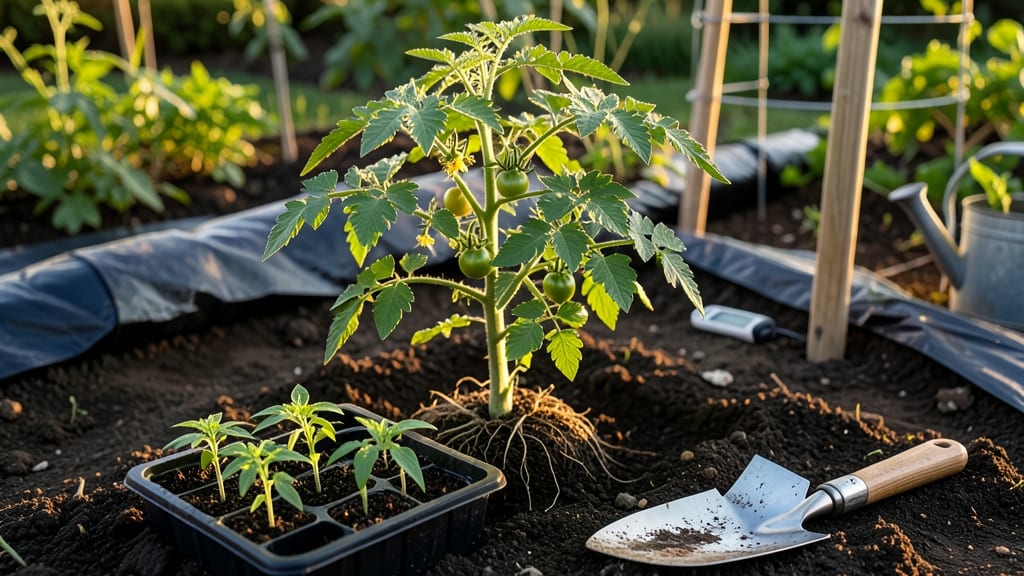
When should you plant tomatoes in Texas? Timing your 🍅 tomato planting isn’t just about the calendar—it’s about surviving the state’s brutal heat swings, from freezing Panhandle nights to Rio Grande Valley scorching.
Plant too early, and a late frost will wipe out your seedlings before they even sprout. Wait too long, and summer’s relentless sun will turn your plants into crispy, fruitless shadows.
Texas gardeners know the struggle: 8a-10b zones demand different strategies, whether you’re in Lubbock’s desert or Houston’s humidity. The key? Start seeds indoors 6-8 weeks before your last frost date—because soil temperature matters just as much as air temperature.
We’re talking 60°F minimum to avoid stunted growth, and nighttime temps that stay above 50°F.
But here’s the game-changer: regional microclimates can shift your perfect planting window by weeks. South Texas gardeners might be transplanting by late January, while West Texas wait until March.
I’ll break down the exact dates for your heat zone, plus how to pick heat-tolerant varieties that won’t bolt in a flash.
Ready to avoid the most common Texas tomato mistakes? Let’s dive into the heat-zone-specific schedule that’ll give you a harvest from May through October—no guesswork, just bigger, juicier 🍅 tomatoes all season long.
Texas heat zone planting calendar: exact start dates for tomatoes by region
Texas spans 12 distinct heat zones (A1-C2), each with unique frost risks and soil warming patterns. Your tomato planting window shifts from January in South Texas to March in the Panhandle, making regional precision critical for success.
The key is aligning your schedule with last frost dates, soil temperatures, and heat tolerance of your chosen varieties.
For North Texas (Zones 8a-8b), like Dallas or Fort Worth, aim to transplant seedlings after March 15 when nighttime temps stay above 50°F (10°C).
In Central Texas (Zones 8a-9a), including Austin and San Antonio, you can start as early as February 15, but use black plastic mulch to warm cold soils faster.
Meanwhile, South Texas (Zones 9b-10a) gardeners enjoy a January 15 start date, while West Texas desert zones (10a-10b) should wait until March 1 to avoid extreme heat stress.
Soil temperature is your best early warning system—tomatoes won’t thrive until the soil reaches 60°F (15°C). Use a soil thermometer to confirm readiness, especially in cooler microclimates like the Hill Country. Pro tip: Raised beds warm up 2-3 weeks faster than in-ground soil, giving you an earlier start in marginal zones.
🌱
Don’t overlook fall planting in Texas—it’s a game-changer for avoiding summer heat. In North and Central Texas, transplant heat-tolerant varieties like 'Celebrity' or 'Heatmaster' August 1-September 15 for a second harvest before frost.
South Texas gardeners can extend this window until October 1, while West Texas may try late July plantings with shade cloth protection.
For container gardening, adjust these dates by 2-3 weeks earlier—potted soil warms faster and gives you more control over timing. Just ensure your containers have drainage holes and use lightweight potting mix to prevent overheating in 100°F+ afternoons.
Pro move: Place pots on reflective surfaces like white gravel to deflect excess heat.
Remember: Succession planting every 2-3 weeks after your initial window ensures a continuous harvest. This works especially well in South Texas, where you can stagger plantings from January through April.
Just monitor for bolting—when plants flower prematurely due to heat stress—and adjust your schedule if daytime temps exceed 90°F (32°C
How to adjust planting dates for early vs late varieties in Texas heat
Texas' extreme heat demands smart planning—especially when choosing early vs late tomato varieties. Early varieties like 'Early Girl' bolt (flower prematurely) in spring heat, while late varieties like 'Celebrity' thrive in summer's scorching temperatures. The key is matching your variety to your planting window and heat zone.
For spring planting (February-March in most regions), opt for heat-tolerant early varieties like 'Heatmaster' or 'Solar Fire'. These handle Texas' rapid temperature swings better than traditional early tomatoes. Plant them 4-6 weeks before last frost, but only if nighttime temps stay above 50°F (10°C) consistently.
🌱
✔ Best for: Zones A1-B2 (Panhandle to Central Texas)
✔ Planting window: February 15-March 15
✔ Varieties: 'Heatmaster,' 'Solar Fire,' 'Mountain Merit'
✔ Pro Tip: Use shade cloth (30-50%) for first 2 weeks
✔ Best for: All zones (especially A2-C2)
✔ Planting window: April 15-May 15
✔ Varieties: 'Celebrity,' 'Better Boy,' 'Arkansas Traveler'
✔ Pro Tip: Black plastic mulch raises soil temp 4-6°F faster
✔ Best for: Zones A2-C2 (South/Central Texas)
✔ Planting window: August 1-September 15
✔ Varieties: 'Cherokee Purple,' 'Brandywine,' 'Roma'
✔ Pro Tip: Row covers protect from early frosts
Succession planting is your secret weapon in Texas. For continuous harvests, stagger plantings every 2-3 weeks during your region's ideal window. In North Texas (Zones A1-B1), this means February 15, March 1, March 15 plantings.
South Texas (Zones A2-C2) can extend this to January 15, February 15, March 15 for a year-round harvest.
Watch for heat stress signs like yellowing leaves or blossom drop. If temps hit 95°F+ (35°C), provide afternoon shade with lightweight shade cloth. In West Texas (Zones B2-C2), drip irrigation at soil level prevents sunscald on exposed fruit.
🌡️