
Plants
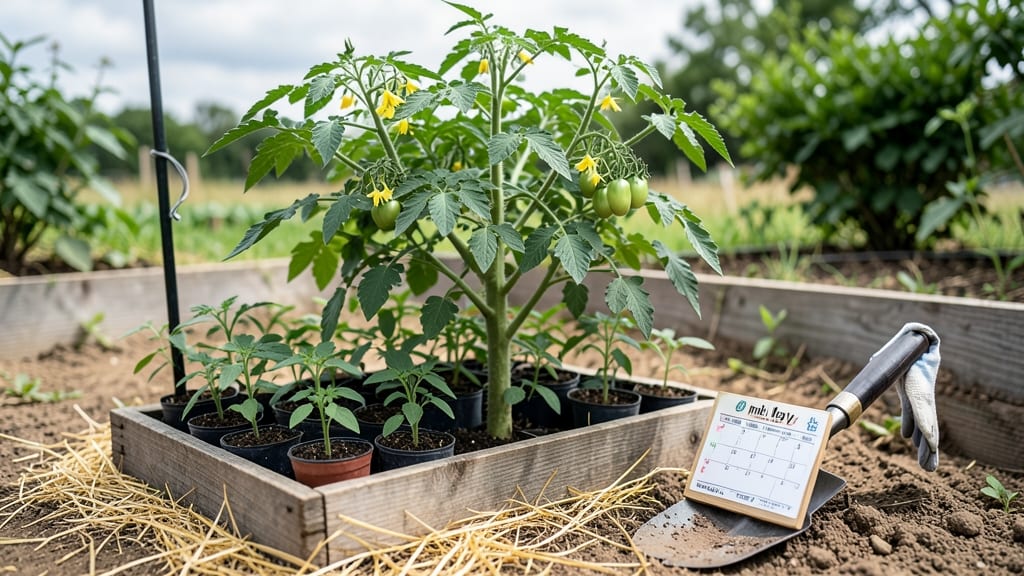
When should you plant tomatoes in Ohio? Timing your tomato planting in Ohio can mean the difference between a bountiful harvest of juicy 🍅 or a sad, frost-nipped disappointment. With Ohio's unpredictable spring weather and varying USDA Zone 6a conditions, knowing exactly when to plant is the key to success.
Most gardeners in Ohio wait until after the last frost—typically mid-April—but that's just the starting point. Soil temperature and nighttime lows play a bigger role than you might think. If you plant too early, your seedlings could suffer from cold damage, while waiting too long might shorten your growing season.
In this guide, I'll break down the ideal planting windows by county, share expert tips for starting seeds indoors, and explain how to adjust for Ohio's microclimates. Whether you're a first-time gardener or a seasoned pro, these strategies will help you maximize your tomato yield from July through October.
Ready to grow tomatoes that thrive? Let's dive into the perfect planting schedule for your Ohio garden, so you can enjoy homegrown tomatoes all season long.
Ohio’s last frost dates by county: the critical timeline for planting tomatoes
Ohio’s last frost dates vary dramatically from the southern border to the Lake Erie shoreline, creating a 3-week window difference in when you can safely plant tomatoes. For example, Cincinnati typically sees its last frost by April 15, while Toledo often waits until May 1.
Understanding these dates ensures your tomato seedlings avoid frost damage and thrive.
According to the Ohio State University Extension, these dates are based on 30-year averages but can shift by 1-2 weeks annually. Always monitor local forecasts and use frost-sensitive plants like tomatoes as your guide.
Planting too early risks blackened stems or stunted growth, while waiting too long may shorten your harvest season.
The USDA Plant Hardiness Zone 6a covers most of Ohio, but microclimates—especially near large bodies of water—can delay frost by 10-14 days. For instance, Columbus averages a last frost of April 22, but areas like Lake County may not see frost until May 10.
Use these county-specific guidelines to time your transplanting for success.
🌱Pro Tip: If you’re unsure about your county’s last frost date, check the Old Farmer’s Almanac or your local Cooperative Extension office. They provide updated historical data and real-time alerts for frost advisories.
| County | Last Frost Date (Avg.) | Safe Transplant Window | Notes |
|---|---|---|---|
| Cincinnati (Hamilton Co.) | April 15 | April 20–May 5 | Urban heat island effect may delay frost. |
| Columbus (Franklin Co.) | April 22 | April 25–May 10 | Central Ohio’s frost dates are reliable. |
| Toledo (Lucas Co.) | May 1 | May 5–May 15 | Lake Erie moderates temperatures. |
| Cleveland (Cuyahoga Co.) | April 28 | May 1–May 10 | Lake-effect frost can linger. |
| Athens (Athens Co.) | April 10 | April 15–April 30 | Southeastern Ohio warms faster. |
| Youngstown (Mahoning Co.) | April 25 | April 30–May 10 | Valley frost can persist. |
How to adjust tomato planting time for Ohio’s microclimates and soil conditions
Ohio’s diverse climate means your neighbor’s perfect tomato planting time might not work for you. Microclimates—like urban heat islands or sheltered valleys—can shift frost dates by 1-2 weeks, while soil temperature often lags behind air temperature.
I’ve learned to adjust planting based on three key factors: local frost patterns, soil warmth, and season-extending tools.
Start by checking your USDA Hardiness Zone (Ohio ranges from 5b to 6b). Southern Ohio (Zone 6b) can plant 2-3 weeks earlier than northern areas (Zone 5b). For example, while Franklin County might see last frost in mid-April, Ashtabula County often waits until late May.
Use the Ohio State University Extension’s frost date maps to pinpoint your local window.
Soil temperature is more critical than air temperature. Tomatoes need soil at 60°F+ to thrive. In Ohio, this typically happens 2-4 weeks after the last frost. I use a soil thermometer to confirm—planting too soon in cold soil causes root rot or stunted growth.
Pro tip: Black plastic mulch can warm soil by 5-10°F in just 1-2 weeks, giving you an earlier start.
- 🌆 Urban Areas (Heat Islands): Plant 1 week earlier than rural zones—concrete and buildings trap heat. Use lightweight row covers for nighttime protection.
- 🌳 Sheltered Valleys: Frost lingers longer; wait until 2 weeks after the official last frost date. Choose early-maturing varieties like ‘Stupice’ (55 days).
- 🏞️ Windy Areas: Plant near windbreaks (fences, hedges) to reduce stress. Transplant seedlings 1 week later to avoid transplant shock from gusts.
- 🌊 Near Large Water Bodies: Cooler microclimates delay planting by 10-14 days. Opt for cold-tolerant varieties like ‘Mountain Merit’ (70 days).
- 🏡 Greenhouse/High-Tunnel: Start seeds 4-6 weeks before outdoor planting. Extends season by 6-8 weeks on either end.
Deciding between indoor starts and direct sowing depends on your Ohio location. In northern Ohio (Zones 5a-5b), I always start seeds indoors 6-8 weeks before the last frost date (around March 1) to get a head start.
For southern Ohio (Zone 6a), direct sowing in late April works well for heat-loving varieties like ‘Better Boy’.
For fall planting, Ohio’s short season limits options, but you can squeeze in a late summer crop by planting heat-tolerant varieties like ‘Solar Fire’ (65 days) in early July.
Use black plastic mulch to retain heat and row covers to protect from early frosts. I’ve had success harvesting into October with this method, though yields are smaller.
Remember, Ohio’s unpredictable spring weather means flexibility is key. Always have row covers or a cold frame ready to protect young plants from late frosts. And if your soil drains poorly, amend with compost or sand—tomatoes hate soggy roots.
With these adjustments, you’ll turn Ohio’s variable climate into your tomato-growing advantage! 🌱