
Planting
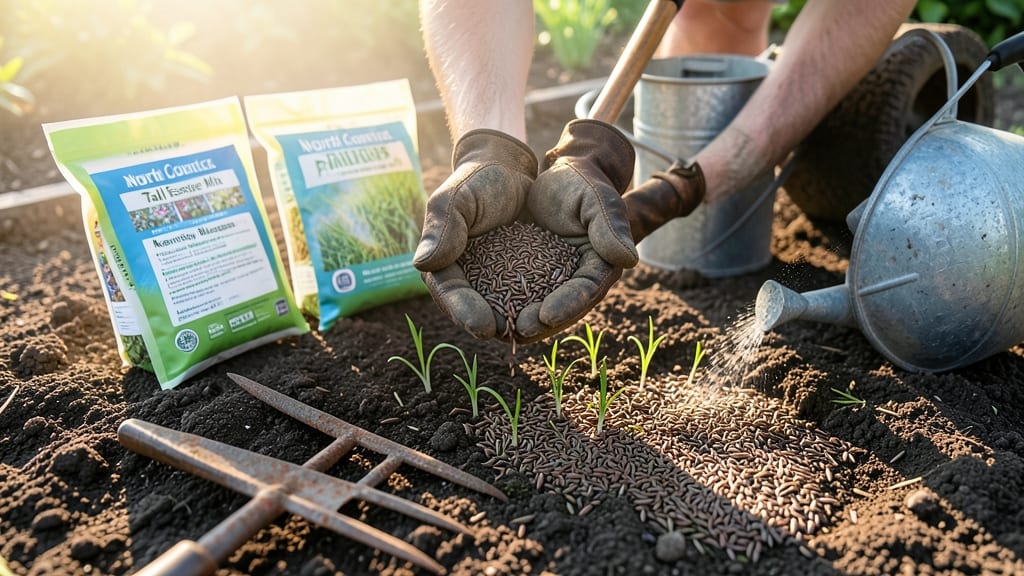
Planting grass seed in North Carolina at the wrong time can leave you staring at a patchy, slow-growing lawn instead of the lush green carpet you envisioned.
The key to fast germination and year-round beauty lies in understanding your local climate zone—whether you're in the humid Coastal Plain or the cooler Mountain regions.
For most of North Carolina's 6b-8a zones, late summer to early fall is your best bet, but timing shifts slightly depending on whether you're growing cool-season or warm-season 🌱 turfgrass.
I'll walk you through the optimal windows, soil prep secrets, and how to avoid common mistakes that derail even the most eager gardeners.
Why does timing matter so much? Because grass seed needs the right balance of moisture, temperature, and sunlight to sprout quickly. Plant too early, and you risk frost damage; too late, and weeds will steal your lawn's spotlight.
Let's break down exactly when to plant for fast, healthy growth in your specific region.
You'll also discover how to prep your soil like a pro, choose the right grass type for your yard, and keep your new lawn thriving with minimal effort. Ready to transform your bare spots into a vibrant landscape? Let's get started.
Best months to plant grass seed in North Carolina by climate zone
North Carolina’s diverse climate zones—from the humid Coastal Plain to the cooler Mountains—create unique challenges for grass seed germination. Planting at the wrong time can lead to slow growth or even seed failure.
The key is understanding your USDA hardiness zone (6b-8a) and aligning planting with soil temperatures and seasonal risks.
For most of North Carolina, the optimal planting window is late summer to early fall (August-October) or early spring (March-April). This timing avoids extreme heat and winter dormancy, giving seeds the best chance to establish before stress.
However, regional differences matter—Coastal areas may handle summer planting better, while Mountain regions should focus on fall.
Below, I’ve broken down the best months by zone, including soil temperature thresholds and seasonal risks like drought or early frost. Use this as your guide to avoid common pitfalls and ensure fast, uniform germination.
🌱 PRO TIP: Always check your local frost dates (Coastal: Nov 15, Piedmont: Nov 1, Mountains: Oct 15) and aim to plant 4-6 weeks before the first frost for fall seeding.
If you’re in the Coastal Plain, late August to September is your sweet spot—hotter soil speeds up germination, but you’ll need to monitor hurricane forecasts to avoid washing out seeds.
For the Piedmont, September-October gives seeds time to establish before winter, while Mountain regions should focus on late summer to avoid early frost.
Spring planting is your secondary option (March-April), but it’s riskier due to weed competition and drought stress. If you choose spring, pre-emergent herbicides and drip irrigation are non-negotiable. Avoid planting in June-July—the heat will bake seeds into the soil before they sprout.
For warm-season grasses (Bermuda, Zoysia), late spring to early summer (May-June) works in Coastal and Piedmont zones, but these need consistent watering during establishment. Cool-season grasses (Tall Fescue, Kentucky Bluegrass) thrive when planted in fall or early spring and go dormant in summer.
Pro tip: Use a soil thermometer to confirm temps—60°F+ is ideal for most grass seeds. If your soil is too cold (<55°F), wait 1-2 weeks for better results. 🌡️
Best months to plant grass seed in North Carolina by climate zone
North Carolina’s diverse climate zones—Coastal Plain, Piedmont, and Mountains—create unique planting windows for grass seed. The Coastal region (USDA zones 8a-9a) enjoys longer growing seasons, while the Mountains (6a-7a) face earlier frosts. Timing matters because grass seed needs consistent soil temperatures between 60°F and 75°F for optimal germination.
For most of the state, late summer to early fall (August-September) is the ideal window. This gives seedlings time to establish roots before winter dormancy. In the Mountains, shift planting to early spring (March-April) to avoid late-season heat stress.
| Region | Best Planting Window | Soil Temp Threshold | Seasonal Risks |
|---|---|---|---|
| Coastal Plain (8a-9a) | Late August - Early October | 65°F-75°F | Hurricane delays, fungal growth |
| Piedmont (7a-8a) | Mid-August - Mid-September | 60°F-70°F | Late summer drought |
| Mountains (6a-7a) | March-April or September | 55°F-65°F | Early frost, poor drainage |
Spring planting (March-April) works in northern NC but risks weed competition in warmer zones. Avoid planting in summer heat (June-August)—grass seed struggles to germinate above 85°F and dries out quickly. For warm-season grasses like Bermuda or Zoysia, late spring is better.
Check your local USDA zone and average frost dates—most of NC falls in zones 6b-8a. Plant 4-6 weeks before first frost for fall success. Use a soil thermometer to confirm temperatures before seeding.
Microclimates matter too! Urban areas may stay 5°F warmer than rural spots, delaying frost. Adjust planting dates accordingly—Coastal cities like Wilmington can plant later than Asheville in the Mountains. Always test soil moisture before planting to avoid dry spells.
For fastest germination, aim for consistent rainfall (1 inch per week) or use drip irrigation. Mulch lightly with straw to retain moisture—critical in NC’s humid summers and dry springs. 🌱