
Plants
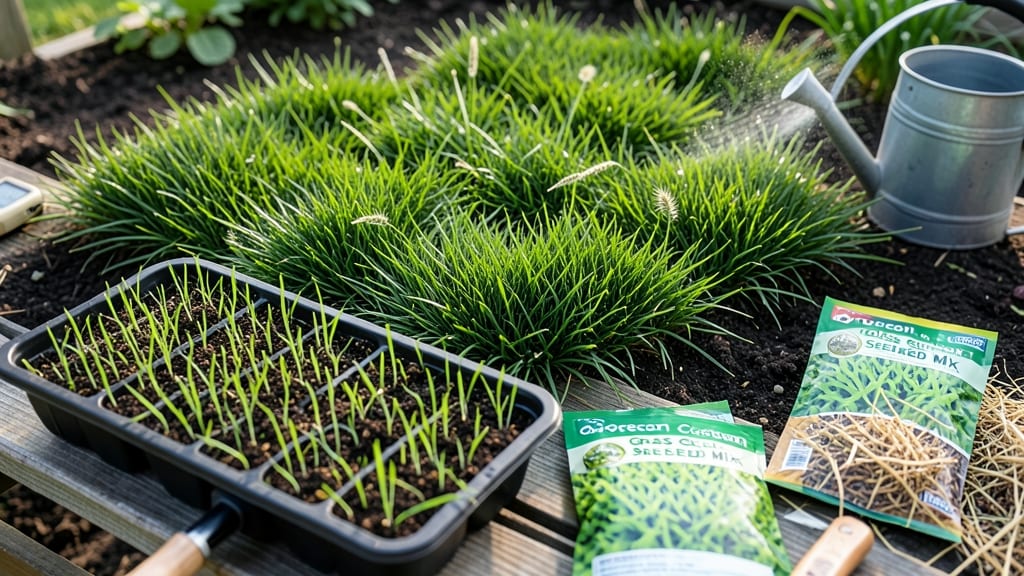
If you’ve ever stared at a patchy lawn and wondered when is the best time to plant grass seed in Oregon, the answer isn’t just about seasons—it’s about Oregon’s wild climate swings.
Coastal areas might get too wet in winter, while inland spots can bake in summer, leaving your 🌱 seed struggling to take root.
Timing matters more than you think. Plant too early, and frost or drought can kill your efforts. Too late, and your grass won’t establish strong roots before winter hits. The best window? Early spring or early fall—when soil is cool, moisture is consistent, and your grass stands a fighting chance.
But here’s the catch: Oregon’s microclimates mean what works in Portland might fail in Bend. Coastal zones thrive with fall planting, while high-desert areas need spring’s milder temps. I’ll break down the exact deadlines for each region so you can pick the perfect moment for your yard.
Ready to skip the guesswork? Let’s dive into the science behind Oregon’s planting calendar—and how to give your grass the head start it deserves.
Oregon’s 3 microclimates and their ideal grass-seeding windows
Oregon’s three distinct microclimates—coastal, Willamette Valley, and high-desert—dictate perfect planting windows for grass seed. Each zone has unique soil temperatures, rainfall patterns, and frost risks that impact germination. Let’s break down the ideal seeding deadlines for each region to ensure your lawn thrives.
First, coastal Oregon (e.g., Portland, Astoria) enjoys mild winters and high humidity. Here, early fall (September) and spring (March-April) are prime times to plant. The soil stays warm longer in fall, and spring rains provide consistent moisture.
Avoid seeding in late fall (after October), as coastal fog and early frost risks can stunt growth.
Willamette Valley (e.g., Eugene, Salem) has warmer summers and cooler winters than coastal areas. The best window here is early spring (March) or early fall (September-October). Soil temperatures in Willamette Valley drop faster in fall, so aim to finish seeding by mid-October to avoid winter dormancy issues.
For high-desert regions (e.g., Bend, La Pine), early spring (March-April) is critical because summers are hot and dry, and fall rains often come too late. Planting in late fall (after October) risks drought stress before winter rains arrive.
Irrigation is a must here—drip systems or soaker hoses work best to mimic natural rainfall.
| Microclimate | Ideal Planting Window | Soil Temp Trigger | Rainfall Dependency | Key Risk |
|---|---|---|---|---|
| Coastal | Early Fall (Sept) or Spring (March-April) | 50°F+ (10°C+) | High (natural rain) | Late frost |
| Willamette Valley | Early Spring (March) or Early Fall (Sept-Oct) | 55°F+ (13°C+) | Medium (supplemental water) | Soil compaction |
| High Desert | Early Spring (March-April) | 60°F+ (15°C+) | Low (irrigation required) | Summer drought |
In all regions, soil temperature is your best guide. Use a soil thermometer to confirm 50°F (10°C) or warmer for coastal areas, 55°F (13°C) for Willamette Valley, and 60°F (15°C) for high desert.
Planting too early in cool soils slows germination, while waiting too long risks summer heat stress or winter dormancy.
For coastal gardeners, September 1-15 is the sweet spot for fall planting. By this time, summer heat has passed, and rainfall increases without the risk of early frost. In spring, wait until March 15-April 1 when soil warms and daytime highs exceed 55°F (13°C) consistently.
In the Willamette Valley, early September is ideal for fall seeding. This gives grass 6-8 weeks of warm soil before first frost (typically November 1). For spring, March 1-15 aligns with soil warming and increased rainfall, reducing irrigation needs.
High-desert areas must act fast in spring. Seeding between March 15-April 15 ensures soil moisture from winter snowmelt and avoids summer drought. If you miss this window, fall planting is risky—only attempt it in late August with drip irrigation to sustain growth until rains arrive.
Pro tip: Test your soil’s moisture before planting. Stick your finger 2 inches deep—if it feels dry, water deeply 24 hours before seeding. In high-desert zones, this step is non-negotiable to prevent seed desiccation.
For coastal areas, rely on natural rainfall but monitor for wind exposure, which can dry out seed quickly.
Remember, Oregon’s microclimates create localized exceptions. For example, Mount Hood’s foothills (Zone 7b) have earlier frosts than Portland, so adjust your fall seeding deadline to mid-September. Always check local frost dates and historical rainfall for your specific area.
How to prepare Oregon soil for grass seed success
Preparing your soil is the foundation for a lush, thick Oregon lawn. The state’s clay-heavy soils in the Willamette Valley and sandy soils in the high desert require different approaches to create the perfect seedbed.
Start by testing your soil pH, which should ideally fall between 6.0 and 7.0 for most grass varieties. If your soil is too acidic or alkaline, amend it with lime (to raise pH) or sulfur (to lower pH) at least 2-3 months before planting.
Next, remove all weeds and debris from the area using a rake or hoe. Weeds compete with grass seed for nutrients and water, so eliminating them early is critical.
If your lawn is established but thin, consider core aeration in early fall (September) or late spring (May) to loosen compacted soil and improve air and water penetration. This step is especially important in high-traffic areas or regions with clay soil.