
Plants
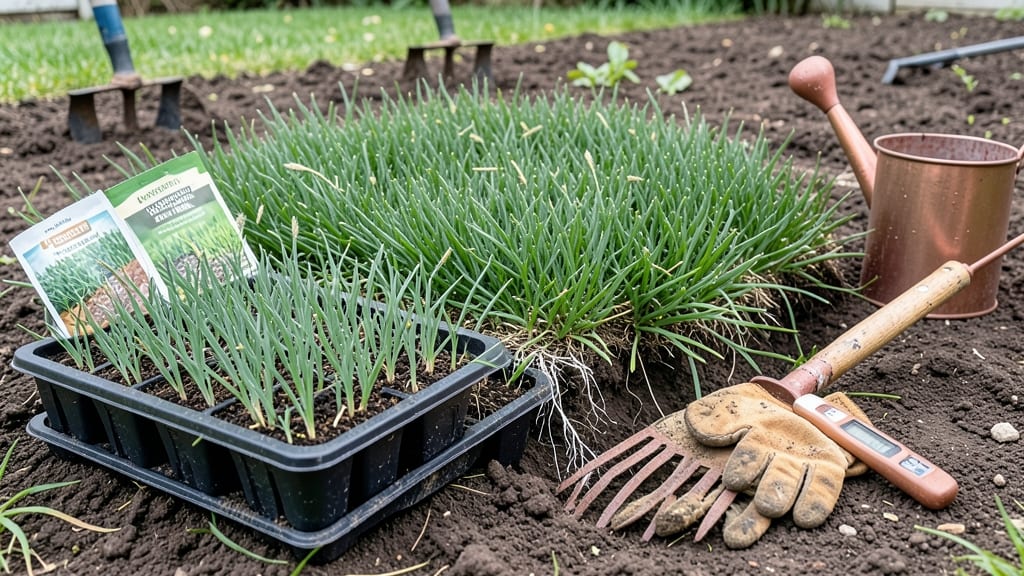
Planting your Kansas lawn at the wrong time can turn your 🌱 grass (turfgrass) into a high-maintenance headache—struggling with shallow roots, drought stress, and summer heat. The best time to plant isn’t just about the calendar; it’s about matching your microclimate’s unique conditions in zones 5b-7a.
In Kansas, early spring (March-April) or early fall (August-September) offers the perfect window for deep root establishment before extreme temperatures hit. But here’s the catch: Kansas City’s humidity plays differently than Wichita’s dry winds, and western regions face even harsher drought risks.
I’ll break down the exact weeks to plant based on your location, plus soil prep secrets to ensure your grass thrives—not just survives. Ready to skip the guesswork and grow a lawn that stays lush year-round?
Let’s dive into the microclimate-specific timeline that’ll make your grass the envy of the neighborhood—no matter where in Kansas you’re planting.
Kansas grass planting timeline by microclimate: optimal weeks for cool-season vs. warm-season grasses
Kansas’ diverse climate—from humid eastern regions to arid western plains—means your grass planting window can shift by 4-6 weeks depending on where you live.
Cool-season grasses like tall fescue and Kentucky bluegrass thrive when soil temps hover between 50°F-65°F, while warm-season varieties like Bermuda and Zoysia need 65°F+ to germinate. Missing these thresholds can stunt root growth, leaving your lawn vulnerable to Kansas’ summer droughts and winter freezes.
For most of Kansas, the ideal planting months are March-April (spring) and August-September (fall). However, western Kansas—like Garden City—can plant 2 weeks earlier due to hotter, drier conditions, while eastern areas like Kansas City may need to delay until soil warms slightly.
Always check your last frost date (average April 15) and first frost date (average October 15) for your specific ZIP code.
Below is a microclimate-specific breakdown of the best weeks to plant, tailored to Kansas’ three key regions. Use this as your planting calendar to align with soil temps, rainfall patterns, and grass type needs.
🌱 Kansas Grass Planting Timeline by Region
| Region | Cool-Season Grasses (Tall Fescue, KBG) | Warm-Season Grasses (Bermuda, Zoysia) | Soil Temp Threshold | Key Tip |
|---|---|---|---|---|
| Eastern KS (Kansas City, Topeka) | Late March–April 15 Late Aug–Sept 15 |
May 15–June 15 | 50°F–65°F (cool) 65°F+ (warm) |
Test soil moisture weekly—eastern KS gets more rainfall, so avoid overwatering. |
| Central KS (Wichita, Salina) | Early March–April 10 Aug 1–Sept 10 |
May 1–June 10 | 50°F–65°F (cool) 65°F+ (warm) |
Use a soil thermometer—central KS swings fast between hot/cold snaps. |
| Western KS (Garden City, Hays) | Feb 20–March 30 July 15–Aug 15 |
April 15–May 15 | 55°F–70°F (cool) 70°F+ (warm) |
Prioritize drought-resistant varieties like Buffalo grass—western KS has lower humidity. |
🌡️ Pro Tip: Use a soil thermometer ($10–$15) to confirm temps before planting—this is more accurate than guessing!
If you’re planting in spring, aim for 4–6 weeks after your last frost to avoid seedling damage from late cold snaps. For fall planting, seed 6–8 weeks before your first frost to allow roots to establish before winter dormancy.
In western Kansas, where summers are harsher, consider overseeding warm-season grass with ryegrass in late fall for winter color.
Adjust your timeline if you notice unseasonably warm/cold weather. For example, if March stays below 40°F for weeks, delay planting until soil temps rise. Conversely, if April hits 80°F early, cool-season grass may struggle—opt for shade-tolerant varieties or plant in early September instead.
Always monitor the National Weather Service for Kansas-specific forecasts.
For new lawns, choose cool-season grasses if you want a lush, green lawn year-round (with dormancy in summer).
If you prefer low-maintenance, heat-tolerant grass, warm-season types like Bermuda will dominate in summer but turn brown in winter. Mixing both (e.g., tall fescue + Bermuda) can create a balanced lawn that stays green longer.
One common mistake in Kansas is planting too late in spring (after May 15) or too early in fall (before September 1). Late spring plantings often face summer drought stress, while early fall seeds may not establish roots before first frost
How to prepare Kansas soil for grass planting: pre-seeding steps for dense root growth
Preparing your Kansas soil before planting grass isn’t just about loosening the dirt—it’s about creating the perfect foundation for deep root establishment and drought resistance. Kansas’ clay-heavy soils and variable moisture levels demand careful prep to avoid compacted roots or poor germination.
Start by testing your soil’s pH level (aim for 6.0-7.0) and adjusting with lime or sulfur if needed.
Once you’ve got the pH right, focus on organic matter—Kansas soils often lack the nutrients needed for strong grass roots. Mix in 2-3 inches of compost or well-rotted manure into the top 6 inches of soil.
This improves drainage and water retention, which is critical for Kansas’ hot summers and dry spells. For larger areas, consider renting a tilling machine to break up compacted layers.