
Planting
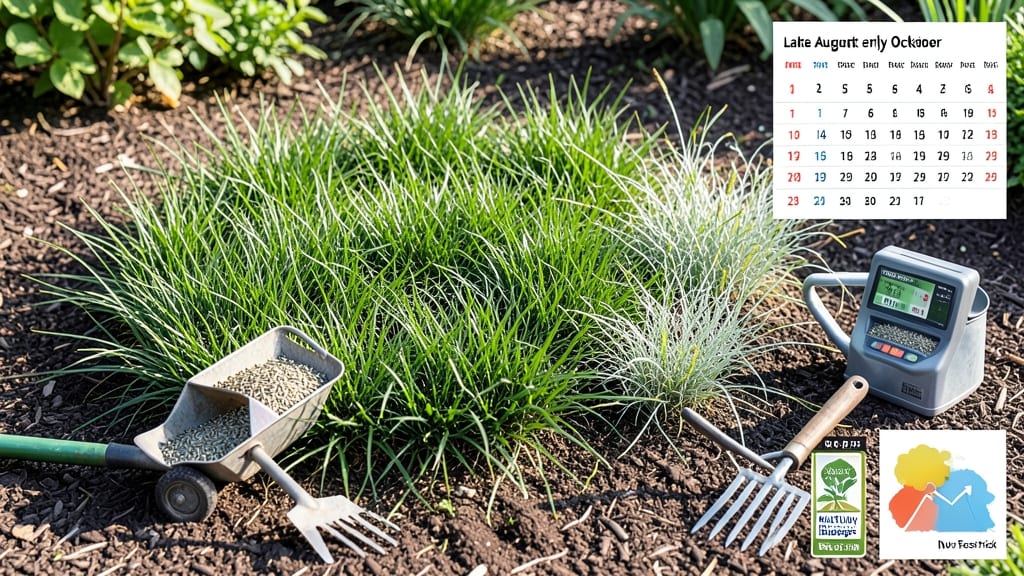
If you're staring at a patchy Kentucky lawn this fall and wondering, "When is it too late to plant grass seed?"—you’re not alone. The answer depends on your USDA zone (6a-7a), but pushing the deadline too far risks weak germination or winter kill.
Cool-season turfgrass like Kentucky Bluegrass needs 4-6 weeks of warm soil before frost hits, typically by late September or early October.
Kentucky’s unpredictable weather—think sudden cold snaps or lingering humidity—makes timing critical. Planting too late can leave your seeds struggling to establish roots before winter dormancy sets in. The key is soil temperature: aim for 50°F or higher for at least 4 weeks before the first frost.
For most of Kentucky, that means wrapping up by mid-October.
Don’t panic if you’ve missed the ideal window. With the right strategies—like choosing cold-hardy varieties or using protective mulch—you can still extend your planting season slightly. I’ll break down the exact deadlines by zone and share actionable tips to give your grass seed the best shot at survival.
Let’s get your lawn on track for a lush spring.
Whether you’re overseeding an existing yard or starting fresh, understanding these Kentucky-specific factors is the difference between a thriving lawn and a wasted investment. Ready to learn how to time it right? Let’s dive in.
Kentucky’s fall grass seed planting deadline by USDA zone (5B/6A)
Kentucky’s USDA Zones 5B and 6A create a tight window for fall grass seed planting. For cool-season grasses like Kentucky Bluegrass, Tall Fescue, and Ryegrass, the ideal time is between mid-August and mid-September.
But when does this window close? In most of Kentucky, the absolute deadline is typically 4-6 weeks before the first hard frost, which usually arrives by mid-October.
However, this isn’t a one-size-fits-all rule. Northern Kentucky (Zone 5B) has a slightly earlier cutoff, while southern areas (Zone 6A) can push the limit a bit later. The key factor isn’t just the calendar date—it’s soil temperature.
Grass seed needs consistent soil temps above 50°F for at least 4-6 weeks to germinate properly. If nights dip below freezing before seedlings establish, you’re risking winter kill.
Here’s the critical rule of thumb: If your lawn isn’t showing visible sprouts within 3-4 weeks of planting, you’ve likely planted too late. Cool-season grasses need time to develop roots before winter dormancy sets in.
In Kentucky, this often means no later than early October for most regions, with exceptions for hardy varieties like Tall Fescue, which can handle slightly later plantings.
🌱
| USDA Zone | Last Safe Planting Date | Soil Temp Requirement | Grass Variety Notes |
|---|---|---|---|
| Zone 5B (Northern KY) | Early October | 50°F+ for 4 weeks | Tall Fescue best for late plantings |
| Zone 6A (Southern KY) | Mid-October | 50°F+ for 5 weeks | Kentucky Bluegrass needs earlier start |
| Louisville Area | Early October | 50°F+ for 4-5 weeks | Ryegrass tolerates cooler soils |
| Lexington Area | Mid-October | 50°F+ for 5 weeks | Fescue mixes perform better late |
Understanding your specific microclimate is crucial. For example, elevated areas in Kentucky (like parts of the Cumberland Plateau) may experience frost 1-2 weeks earlier than valleys. If you’re unsure, check your local Cooperative Extension Service for frost date averages.
They often provide weekly updates on soil temperatures, which are far more reliable than guessing.
Another critical factor is seedling establishment time. Cool-season grasses typically take 14-21 days to germinate and another 4-6 weeks to develop a strong root system. Planting in late September gives you the best buffer—enough time for roots to establish before winter sets in.
If you’re planting in October, focus on cold-hardy varieties like Tall Fescue or use winter mulching techniques to protect young seedlings.
💧 Remember, even if you plant at the absolute deadline, proper soil preparation and watering consistency can make a difference. A well-amended soil with compost or peat moss retains moisture better, giving seedlings a fighting chance. And always water deeply in the morning to reduce evaporation and fungal risks.
For those pushing the envelope, late October plantings are possible in Zone 6A with special precautions, but expect slower growth and potential winter stress. If you’re planting after mid-October, consider overseeding in spring instead—it’s often more successful than late-fall attempts.
✂️ Pro Tip: If you’re unsure about timing, do a quick soil temperature check with a soil thermometer. If temps are below 50°F at 2-inch depth, it’s too late for cool-season grasses. This simple test can save you from wasting seed and effort.
5 Signs you’re planting grass seed too late in Kentucky (and what to do instead)
Kentucky’s fall planting window closes faster than you think—especially when unpredictable frosts roll in. Even experienced gardeners sometimes miss the mark, leading to poor germination or seedling dormancy. Here’s how to spot the warning signs before it’s too late.
First, check your local frost dates. If you’ve planted grass seed within 2-3 weeks of the first hard freeze (typically mid-October in Kentucky), germination will struggle. Cool-season grasses like Kentucky Bluegrass need 4-6 weeks to establish roots before winter sets in.
Sign #1: Soil temperatures dip below 50°F. Use a soil thermometer—if readings consistently fall below this threshold, seeds won’t sprout. Kentucky’s USDA Zone 6A/7A means late-October plantings often face this risk.
Sign #2: Seedlings appear stunted or yellow. Weak, pale growth signals stress from cold nights. If your new grass looks more like weeds than blades, it’s fighting for survival. This usually happens when planting after mid-September in most of Kentucky.
⚠️ Late Planting Warning
Planting after the first frost is a red flag. Grass seeds need consistent warmth (50°F+) to germinate. If you’ve already seen blackened grass blades in your yard, your seeds are in danger too.
Action: Cover seeds with straw mulch (2-3 inches) to insulate them, but don’t expect miracles—spring planting is your best backup.
Next, watch for soil moisture loss. Dry soil in late fall can prevent seed hydration, even if temperatures are ideal. If your lawn feels crunchy underfoot, seeds may never wake up. Kentucky’s drought-prone areas (like western regions) make this risk even higher.
Sign #3: Fungal growth appears. Moldy patches or grayish films on seedlings mean excess moisture at night combined with cold temps—a classic sign of late-season planting. This often happens when planting in October’s damp, chilly spells.
If you’ve spotted these signs, don’t panic—there are still options. For minimal lawn damage, try overseeding in spring (March-April) with a slow-release fertilizer to boost root growth. Alternatively, mulch heavily (4+ inches of straw) and water lightly to protect existing seeds until spring.
Remember: Kentucky’s cool-season grasses are resilient, but timing is everything. If your seed packet says “fall planting”, trust it—but act before October 15 for the safest results. 🌱