
Plants
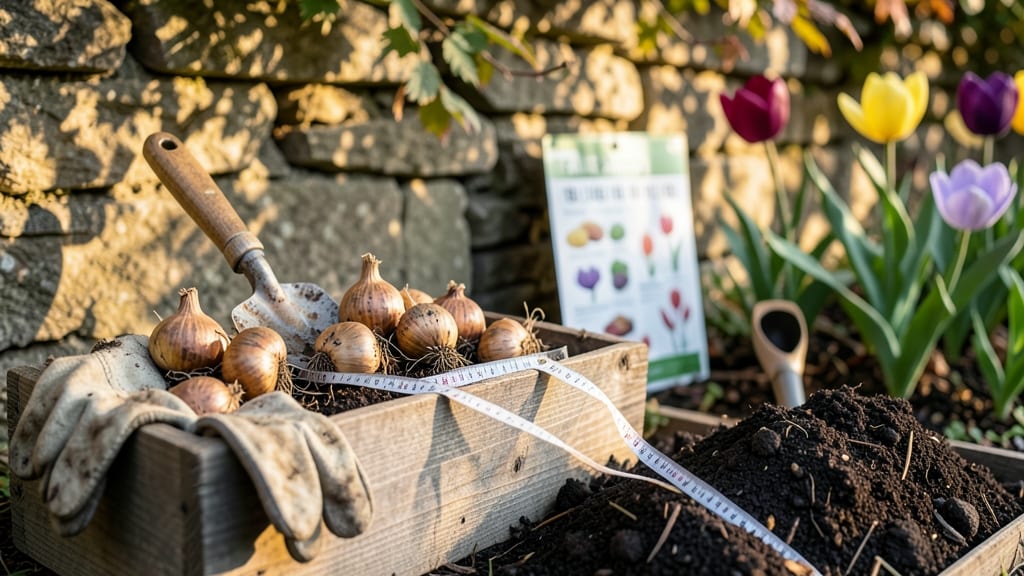
Planting tulip bulbs in New Jersey at the wrong time can mean the difference between a dazzling spring display and wasted effort. The key to vibrant blooms lies in timing them perfectly in USDA Zone 6B, where chilly autumn nights and unpredictable frosts demand precision.
For New Jersey gardeners, the ideal window opens in October and stretches through November, giving bulbs 6-8 weeks to establish roots before winter dormancy. This timing aligns with nature's rhythm, ensuring your 🌷 thrive when spring arrives. Miss this window, and you risk bulbs rotting or failing to bloom.
Why does this matter? Because tulips planted too early may sprout prematurely, while those planted too late won't have enough time to anchor before freezing temperatures set in.
I'll walk you through exactly how to nail this timing, from soil prep to post-planting care, so your garden bursts with color next spring.
With NJ's climate in mind, we'll cover everything from soil temperature thresholds to avoiding common mistakes that even experienced gardeners make. Let's get those bulbs in the ground the right way for maximum impact.
Optimal planting window for New Jersey tulip bulbs (Zone 6B)
In New Jersey's USDA Zone 6B, timing your tulip bulb planting between mid-October and November is critical for vibrant spring blooms. This 6-week window aligns with soil temperatures dropping to 40-50°F, ideal for root establishment before winter dormancy.
Miss this window, and you risk bulbs rotting from cold soil or failing to bloom due to insufficient root growth.
Local gardeners often reference the first hard frost date—typically around November 15 in NJ—to calculate their planting schedule. Aim to plant 4-6 weeks before this date, ensuring bulbs establish roots but don’t sprout too early.
For example, if frost hits November 15, plant between October 15 and November 1.
Moon phases also play a subtle role in tulip bulb success. Planting during the waxing moon (when the moon is growing brighter) encourages root development. Check a lunar planting calendar for NJ—October’s waxing moon typically falls between the 7th and 14th, making these dates ideal.
New Jersey’s climate variability adds complexity. Coastal areas like Cape May (Zone 7a) may extend planting into early December, while inland regions like Morristown (Zone 6b) should finish by November 1. Always verify your local last frost date using the NJ Agricultural Experiment Station’s frost maps.
Soil temperature is your best indicator. Use a soil thermometer to confirm temperatures are consistently below 60°F at 4-inch depth. In NJ, this usually occurs by mid-October, signaling it’s time to plant.
Waiting until soil cools further risks bulbs sitting in too-cold conditions, which can stunt root growth.
🌱 New Jersey Tulip Planting Timeline
| Stage | Action | NJ Timeline |
|---|---|---|
| Soil Prep | Loosen soil, amend with compost | Late August - Early September |
| Bulb Purchase | Buy firm, disease-free bulbs | September - October |
| Planting Window | Plant 6-8" deep, 4-6" apart | Mid-October - November 1 |
| Frost Protection | Mulch after ground freezes | November 15 - December 1 |
| Spring Care | Fertilize after foliage emerges | March - April |
🌷 Pro Tip: Use a soil thermometer to confirm 40-50°F soil temps before planting.
Early planting in September is possible but risky. Soil temperatures may still be too warm, causing bulbs to sprout prematurely and succumb to frost. If you must plant early, choose a shady spot or use black plastic mulch to cool the soil faster.
However, most NJ gardeners wait until mid-October for safer results.
Local nurseries like Peaceful Valley or Baker Creek Heirloom Seeds often stock tulip bulbs by September, but hold off until October to avoid early planting pitfalls. Store bulbs in a cool, dry place (like a garage) until planting time. Never refrigerate—this can damage the bulbs before they’re ready to plant.
Extending your planting into December is only viable in Zone 7a areas like southern NJ. Inland Zone 6B regions should finish by November 15 to avoid winter heaving. If you’re unsure, err on the earlier side—bulbs planted too late may not bloom as vigorously the following spring.
Keep an eye on weather forecasts in late October. If an early frost warning appears, prioritize planting high-value bulbs first (like Darwin Hybrid or Parrot tulips) to ensure they establish roots before the ground freezes. Most bulbs can tolerate light frosts, but prolonged cold will halt root growth.
Remember, New Jersey’s microclimates mean your neighbor’s perfect timing might not work for you. Use the NJ State Climatologist’s frost maps as a guide, but always adjust for your specific location.
With the right timing, your tulips will reward you with bold spring blooms that brighten up even the chilliest NJ days. 🌷
Optimal planting window for New Jersey tulip bulbs (Zone 6B)
New Jersey’s USDA Zone 6B climate demands precise timing for tulip bulb planting—aim for 6 weeks before the first hard frost, typically between mid-October and early November. This window ensures bulbs establish roots before winter dormancy while avoiding spring blooms that can’t survive late frosts.
Your soil temperature should hover between 40-50°F at planting time. Use a soil thermometer to confirm—cooler temps (below 40°F) risk bulb rot, while warmer soils (above 50°F) may trigger premature sprouting. Check local frost dates via the NJ Agricultural Experiment Station for year-specific adjustments.
Moon phase enthusiasts swear by planting during the waxing moon (root growth phase) for stronger root development. While anecdotal, this practice aligns with tulips’ natural dormancy cycle. For most NJ gardeners, October’s full moon (around October 17th) offers an ideal target date.
🌱 Tulip Planting Timeline for NJ (Zone 6B)
| Stage | Action | Key Details |
|---|---|---|
| Soil Prep | Test pH (6.0-7.0) | Amend heavy NJ clay with compost |
| Planting Window | October 15-Nov 15 | 6 weeks before frost |
| Depth | 6-8 inches | 3x bulb height |
| Spacing | 4-6 inches apart | Prevents overcrowding |
| Post-Planting | Mulch 2-3 inches | Straw or shredded leaves |
If you miss the primary window, late November planting is still possible—but bulbs may need winter protection (extra mulch or frost cloth). Avoid planting after December 1st, as emerging shoots risk frost damage before establishing roots.
Pro tip: Mark your planting spots with biodegradable flags to avoid disturbing soil next spring. NJ’s unpredictable weather means your memory (or notes) will thank you when snow melts in March and shoots appear!
Remember: Early planting (before October) risks bulb rot, while late planting (after November) delays blooms until late spring—just as NJ’s humidity peaks. Strike that balance for April-May blooms when your garden deserves the spotlight. 🌷