
Plants
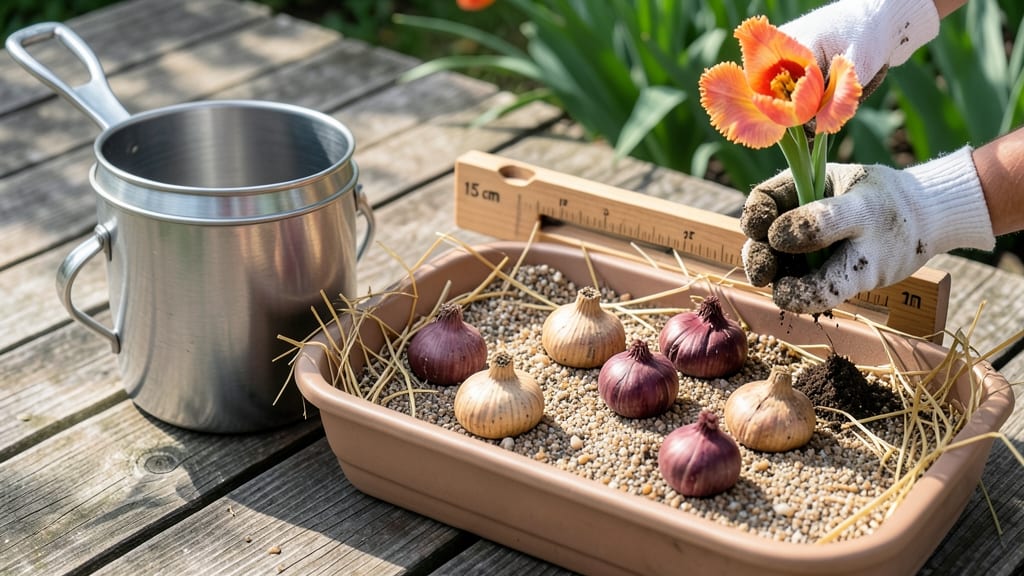
Planting tulip bulbs in California at the wrong time could mean missing out on those stunning 🌷 blooms—or worse, watching them freeze before they even sprout. With coastal areas basking in mild winters and inland valleys facing occasional chills, timing your tulip planting is the key to success.
If you're in USDA zones 9-10—like much of coastal California—you have a longer window to plant, but inland regions need extra care. The secret lies in understanding your microclimate, whether you're in foggy San Francisco or sunbaked Los Angeles.
In this guide, I'll break down exactly when to plant tulip bulbs in California, from October to December for coastal areas to the broader November to January window for inland zones. You'll also discover soil prep tips and the best varieties that thrive in California's unique climate.
Whether you're a seasoned gardener or just starting, these insights will help you grow vibrant tulips that bloom beautifully every spring. Let's get those bulbs in the ground at the perfect time!
California tulip planting calendar: coastal vs. inland frost zones explained
California’s diverse microclimates make tulip bulb timing tricky. Coastal areas like San Francisco rarely see frost, while inland valleys like Sacramento can dip below freezing. Your planting window depends on USDA zones 9-10 and local frost risk.
Let’s break it down by region to ensure zero-frost success and vibrant spring blooms.
For coastal California (zones 9-10), where frost is rare, you can plant tulip bulbs from October through December. The ideal soil temperature is 60°F or below, signaling dormancy.
Inland areas like Los Angeles and San Diego (also zone 10) follow similar timing, but desert regions near Palm Springs (zone 10b) may extend planting into early January. Always check your local frost risk maps—some inland valleys can still experience light frosts.
🌷
| Region | USDA Zone | Best Planting Window | Frost Risk | Soil Temp Goal |
|---|---|---|---|---|
| Coastal (San Francisco, Santa Barbara) | 9-10 | October–December | Minimal (rare below 32°F) | 60°F or below |
| Inland Valleys (Sacramento, Fresno) | 8-9 | November–January | Moderate (light frosts possible) | 55°F or below |
| Desert (Palm Springs, Coachella) | 10b-11 | November–January | None (frost-free) | 65°F or below |
| Southern California (LA, San Diego) | 10a-10b | October–December | Minimal (occasional light frost) | 60°F or below |
If you’re in coastal California, aim to plant by mid-December to avoid soggy winter soils. Inland gardeners should wait until after Thanksgiving to reduce frost risk. For desert regions, early November is perfect—soil stays warm longer, and bulbs establish faster.
Always test your soil’s drainage first; California’s heavy clay can trap moisture, leading to rotten bulbs.
Pro tip: Use a soil thermometer to confirm temperatures. Tulips need 6-8 weeks of cold dormancy (40-50°F) to bloom well. In milder zones like San Diego, you might need to pre-chill bulbs in the fridge for 8-10 weeks before planting.
This mimics winter conditions and ensures vibrant spring flowers.
For urban gardeners in cities like Los Angeles or San Francisco, container planting is ideal. Use well-draining pots with compost-amended soil and plant bulbs deeper (8 inches) to protect them from temperature fluctuations.
In inland valleys, add a 3-inch layer of mulch after planting to insulate bulbs from late frosts. This extra step can mean the difference between missed blooms and a show-stopping spring display.
🌿
Remember: Tulips are perennials in California—they’ll return year after year if cared for properly. But first-year blooms depend entirely on your planting timing. By following these regional guidelines, you’ll set your bulbs up for successful dormancy and bold spring colors.
Next, we’ll dive into the step-by-step planting process to maximize your tulip’s potential.
✂️
Step-by-step guide: how to plant tulip bulbs for maximum blooms in California
Once you’ve picked your planting window, proper technique ensures vibrant tulips. Start by selecting healthy, firm bulbs—avoid any with soft spots or mold. California’s well-draining soil is key, especially in heavy clay areas like the Central Valley.
If your soil is compacted, mix in compost or sand to prevent rot.
Choose a sunny spot with 6+ hours of sunlight daily. Tulips thrive in full sun but can tolerate partial shade in hot inland regions like Bakersfield or Palm Springs. Mark your planting area with stakes to avoid disturbing the soil later.
🌷Visual Guide: Use the comparison table below to compare planting depths and spacing for California’s microclimates.
Dig holes 3x the bulb’s width deep (typically 6-8 inches). Place the bulb with the pointy end up—this ensures proper growth. Space bulbs 4-6 inches apart for coastal areas or 6-8 inches apart in hotter inland zones to prevent overcrowding.
Cover bulbs with soil, leaving no air pockets. Gently water to settle the soil, then add a 1-inch layer of mulch (straw or shredded bark) to insulate roots. In frost-prone inland areas, like Fresno or Madera, add an extra mulch layer in December.
After planting, water deeply once a week until rains return. Avoid overwatering—soggy soil causes rot. In drought-prone regions, like the Central Valley, reduce watering in winter to prevent fungal issues.
🌱Pro Tip: Label your tulips with plant markers to track varieties—California’s mild winters let some bulbs naturalize and return yearly!