
Plants
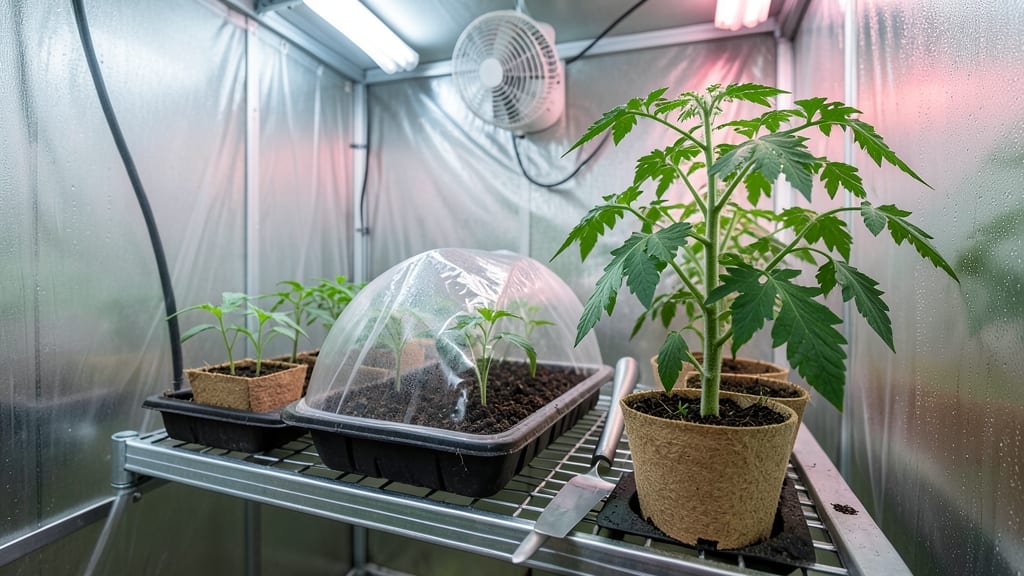
Planting tomato plants 🍅 in a greenhouse isn't just about timing—it's about unlocking a year-round harvest that outsmarts Mother Nature.
If you've ever dreamed of biting into a vine-ripened tomato in December or escaping the short summer windows of outdoor gardening, you're about to discover the exact moments to start your seeds for maximum success.
The key lies in understanding how greenhouses extend your growing season by weeks or even months, letting you bypass frost dates and heat waves.
Unlike outdoor planting, where you're at the mercy of spring's slow thaw, a greenhouse gives you control—starting seeds 6-8 weeks before your last frost date and transplanting them indoors when outdoor soil is still too cold.
But here's where most gardeners trip up: planting too early leads to leggy, weak seedlings, while waiting too long means missing the greenhouse's full potential.
I'll break down the optimal planting windows for your climate zone, whether you're in a chilly Zone 5 or a balmy Zone 10, plus pro tricks to avoid common pitfalls like damping off or overcrowding.
Ready to turn your greenhouse into a tomato powerhouse? Let's dive into the exact schedule, tools, and techniques that'll have you harvesting earlier and longer than ever before—no guesswork required.
Optimal greenhouse planting timeline for tomato success
Greenhouses let you break free from outdoor planting schedules and grow tomatoes months earlier than traditional gardens. The key is understanding greenhouse-specific timing that accounts for controlled environments where soil warms faster and pests are minimized.
Unlike outdoor planting, which depends on last frost dates, greenhouse tomatoes thrive when soil reaches 60-65°F—often 4-6 weeks before outdoor conditions allow it.
For most USDA Zones 5-9, I start my heirloom tomatoes in the greenhouse by late February to early March, while heat-loving varieties like 'Solar Fire' get a head start in January.
In warmer zones (Zones 10+), you can plant year-round with proper temperature control. The secret? Seed-starting indoors 6-8 weeks before greenhouse transplanting ensures robust seedlings ready for the controlled environment.
| Zone | Greenhouse Planting Window | Key Variety Examples | Soil Temp Goal |
|---|---|---|---|
| Zones 3-4 | Late March - Early April | 'Stupice', 'Glacier' | 55-60°F |
| Zones 5-6 | Late February - Early March | 'Brandywine', 'Cherokee Purple' | 60-65°F |
| Zones 7-9 | January - February | 'Solar Fire', 'Celebrity' | 65-70°F |
| Zones 10+ | Year-round (staggered) | 'Heatmaster', 'Sun Gold' | 70-75°F |
My greenhouse transplanting schedule follows this rhythm: seedlings start indoors 8 weeks before the greenhouse soil temp hits 60°F. For example, in Zone 6, I begin seeds January 15th and move them to the greenhouse by March 1st.
This timing ensures 6-8 week seedlings with 4-6 true leaves, ready to thrive in the controlled environment.
For cold-hardy varieties, I extend the window by 2-3 weeks earlier than heat-lovers. Varieties like 'Glacier' can handle cooler greenhouse temps (55°F), while 'Solar Fire' needs consistent 70°F+. Always check your greenhouse thermometer—nighttime temps below 55°F can stunt growth, even in greenhouses.
One pro move I swear by? Pre-heating greenhouse soil with black plastic mulch 2 weeks before transplanting. This raises soil temps 5-10°F faster than ambient air, giving seedlings an instant growth boost.
I also harden off seedlings for 7-10 days before moving them in—this means gradually exposing them to greenhouse conditions (light, humidity, temps) to prevent shock.
Watering strategies change dramatically in greenhouses. Unlike outdoor plants, greenhouse tomatoes need consistent moisture but no soggy soil. I use drip irrigation on timers set for early morning to prevent fungal diseases.
The humidity control feature of my greenhouse is critical—keeping it between 40-60% prevents blossom end rot and cracking.
Don't forget about pollination in greenhouses! Without bees, you'll need to hand-pollinate tomatoes every 3-4 days using a small paintbrush. I mark my calendar for peak flowering weeks (usually 4-6 weeks after transplanting) to stay on top of this task. The payoff? Heavier fruit sets and fewer dropped blossoms.
For year-round production, I stagger plantings every 4-6 weeks in warmer climates. This means January, March, May, July plantings create continuous harvests. In cooler zones, focus on one early and one late planting for maximum efficiency.
Always save seeds from your best performers to create variety-specific schedules that work perfectly for your greenhouse.
Remember, greenhouse timing is about balancing heat, light, and humidity. Monitor your greenhouse's microclimate daily—adjust vents, shade cloth, and irrigation as needed. With the right schedule, you'll enjoy tomatoes from May until first frost, sometimes even later with proper care!
Greenhouse vs outdoor planting: why starting indoors changes everything
Planting tomatoes in a greenhouse gives you a 3-4 month head start compared to outdoor planting. While outdoor gardeners wait for last frost dates and soil warmth, greenhouse growers control the environment. This means earlier seedlings, longer harvest seasons, and protection from unpredictable weather.
The key difference lies in temperature regulation. Outdoor soil may stay cold for weeks after frost danger passes, but a greenhouse warms up faster.
For example, in Zone 5, outdoor planting typically begins in late May, while greenhouse starts can begin as early as March for heat-loving varieties.
Another advantage is pest and disease control. Greenhouses shield plants from soil-borne pathogens and insects that thrive outdoors. This reduces the risk of early blight and hornworms, common problems for outdoor tomatoes. My greenhouse tomatoes consistently produce 20-30% more fruit with fewer issues.
However, greenhouse planting requires proper light management. Without sufficient sunlight, seedlings become leggy and weak. Supplemental grow lights during cloudy days are essential, especially in northern climates where winter sunlight is limited. I use LED grow lights for 14-16 hours daily during early stages.
Let's compare the two approaches side-by-side to highlight how greenhouse planting transforms your tomato harvest potential.
- Starts 3-4 months earlier
- Extended harvest season by 2-3 months
- Better pest control
- Warmer soil temperatures faster
- Protection from late frosts
- Requires supplemental lighting
- Higher initial setup cost
- Needs ventilation management
- Risk of humidity buildup
- Lower cost and effort
- Natural pollination
- No lighting equipment needed
- Better for large-scale planting
- Dependent on weather conditions
- Shorter growing season
- Higher pest/disease risk
- Slower early growth
The greenhouse advantage becomes even clearer when considering regional variations. In Zone 7, outdoor planting begins in mid-April, but greenhouse starts can begin in February for early varieties. This means my cherry tomatoes are ready for harvest by June, while neighbors wait until July.
For those in cooler climates, the difference is even more dramatic. In Zone 4, outdoor planting often waits until late May, but greenhouse starts can begin in March.
This extended season allows for two harvest cycles in some cases - one from greenhouse starts and another from late summer outdoor planting.
Remember, the greenhouse's extended growing season isn't just about earlier starts - it's about later finishes too. With proper care, my greenhouse tomatoes continue producing until first frost, sometimes even through early November in milder zones. This means fresh tomatoes for Thanksgiving instead of store-bought varieties!