
Flowers
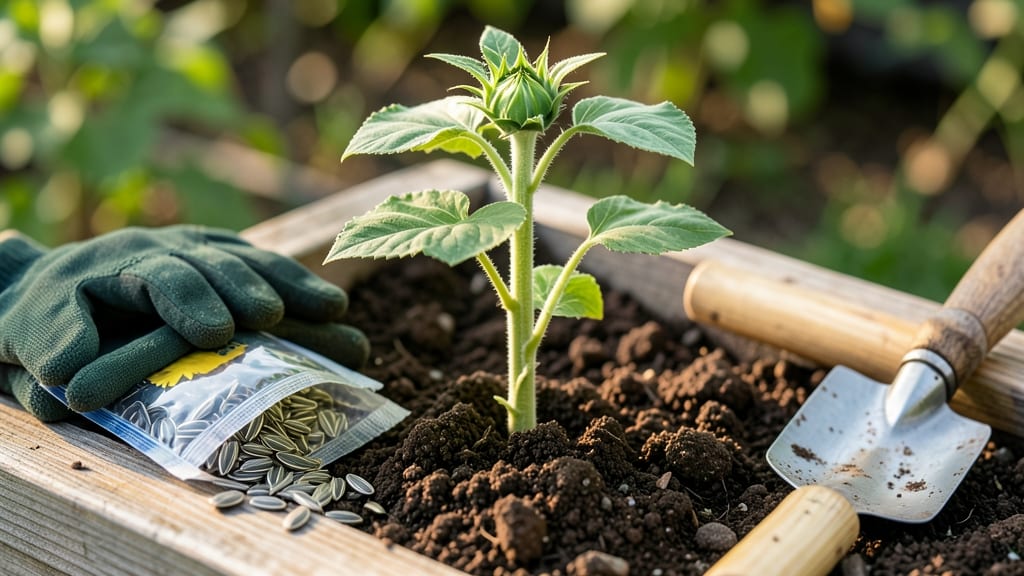
Planting sunflowers in Georgia at the wrong time can turn your golden dreams into wilted disappointment—especially when the heat and humidity play tricks on your schedule.
The key to towering 🌻 sunflowers lies in understanding your specific heat zone, whether you're in coastal Savannah or inland Atlanta, where frost dates and soil warmth shift the perfect planting window.
Most gardeners in Georgia’s 7b-8b zones reach for their seeds between mid-April and early July, but that’s just the starting point. I’ll show you how to fine-tune those dates based on your microclimate—because what works in Valdosta might fry your sunflowers in Athens if you’re not careful.
You’ll discover why soil temperature matters just as much as the calendar, how to adjust for late frosts, and which sunflower varieties thrive best in Georgia’s summer heat. No more guessing—just science-backed timing to ensure your sunflowers burst into bloom from late summer through October.
Ready to grow sunflowers that reach for the sky? Let’s break down the exact steps to plant them for maximum height and beauty, tailored to where you live in Georgia.
Georgia heat zone map: best planting times by region for sunflower success
Georgia’s diverse climate—from coastal humidity to inland heat—means sunflower planting times vary dramatically by region. Understanding your USDA heat zone (7a-8b) is the first step to avoiding late frosts or scorching summer heat that can stunt growth.
Most gardeners in Georgia plant sunflowers between mid-April and early July, but timing shifts north-to-south and east-to-west.
In North Georgia (zones 7a-7b), like Atlanta or the Blue Ridge Mountains, frost lingers until mid-April. Wait until after the last frost date (typically April 15) to sow seeds directly outdoors.
Coastal areas like Savannah (zone 8a) enjoy earlier planting—March 15—thanks to milder winters, but beware of hurricane season disrupting growth.
For Central Georgia (zones 7b-8a), including Macon and Columbus, the sweet spot is April 1 to May 15. Soil temperatures here warm quickly, so aim for 60°F+ to trigger germination.
Inland areas like West Georgia (zone 8a) can push planting to early June for a late-summer harvest, but expect shorter stems if planted too late.
| Georgia Region | USDA Zone | Best Planting Window | Last Frost Date | Key Consideration |
|---|---|---|---|---|
| North Georgia (Atlanta, Blue Ridge) | 7a-7b | Mid-April to May 15 | April 15 | Wait for soil warmth; risk of late frosts |
| Central Georgia (Macon, Columbus) | 7b-8a | April 1 to June 1 | March 25-April 10 | Fast soil warming; ideal for tall varieties |
| South Georgia (Savannah, Brunswick) | 8a-8b | March 15 to May 30 | February 15-March 1 | Humidity risks; plant early to avoid pests |
| West Georgia (Albany, Valdosta) | 8a | April 15 to June 15 | March 10-April 5 | Longer growing season; push for late blooms |
Soil temperature is critical for germination. Sunflower seeds need 55-60°F soil to sprout, but roots thrive at 70°F+. Use a soil thermometer to check—if it’s below 55°F, wait or use black plastic mulch to warm the soil faster.
In North Georgia, this often means delaying planting until late April.
For fall planting (a lesser-known trick in Georgia), sow seeds in late July to early August for a winter harvest. This works best in South Georgia (zones 8a-8b), where frosts arrive later. Choose short-day varieties like ‘Teddy Bear’ to prevent bolting before cold sets in.
Pro tip: Direct-sow seeds—sunflowers hate transplanting. Scatter seeds 1 inch deep and 6 inches apart in rows 2 feet apart to give stems room to grow. In clay-heavy soils (common in Central Georgia), amend with compost or sand to improve drainage and prevent root rot.
Monitor local weather forecasts for heat waves or unexpected frosts, especially in transition zones like Middle Georgia. A lightweight row cover can protect young seedlings if nighttime temps dip below 40°F after planting.
Remember: Sunflowers grow fastest in summer, so planting too late (after July 1) risks shortened stems and smaller blooms. Balance timing with your goals—early plantings yield taller varieties, while late plantings work for cut flowers or seed production.
🌻
Sunflower variety guide: fast-growing vs. tall varieties and their planting adjustments
Georgia’s sunflowers aren’t one-size-fits-all—each variety has unique needs, especially when it comes to planting timing and soil prep. Whether you’re growing ‘Moulin Rouge’ for vibrant cut flowers or ‘Russian Giant’ for towering shade, adjusting your schedule ensures success.
Tall varieties like ‘Russian Giant’ need extra time to establish roots before summer’s heat peaks, while dwarf types like ‘Teddy Bear’ can handle later plantings better.
| Variety | Height | Best Planting Window | Georgia-Specific Tip |
|---|---|---|---|
| Russian Giant | 10-14 ft | Mid-April to early May | Plant deeper (1.5 inches) for stability in Georgia’s heat |
| Moulin Rouge | 5-7 ft | Late April to June | Thin seedlings to 12 inches apart for better airflow |
| Teddy Bear | 1-3 ft | May to early July | Ideal for containers; use well-draining mix |
Georgia’s clay-heavy soils can slow germination, so amend beds with compost or sand before planting. For tall varieties, stake seeds early to prevent wind damage during summer storms.
If you’re growing sunflowers for seed production, opt for later plantings (June) to avoid early blooms that struggle with Georgia’s humidity spikes in August.
Companion planting helps too—pair sunflowers with basil or marigolds to deter pests like sunflower moths. Avoid planting near tomatoes, as they compete for nutrients. For container growers, choose dwarf varieties and plant in large pots (12+ inches deep) to prevent root binding during Georgia’s intense summer heat.
If you’re unsure about your variety’s needs, start with ‘Autumn Beauty’—it’s drought-tolerant and blooms in shades of yellow, red, and green, making it perfect for Georgia’s variable climate. Always monitor soil moisture after planting, as Georgia’s summer downpours can lead to rot if drainage is poor. 🌱