
Plants
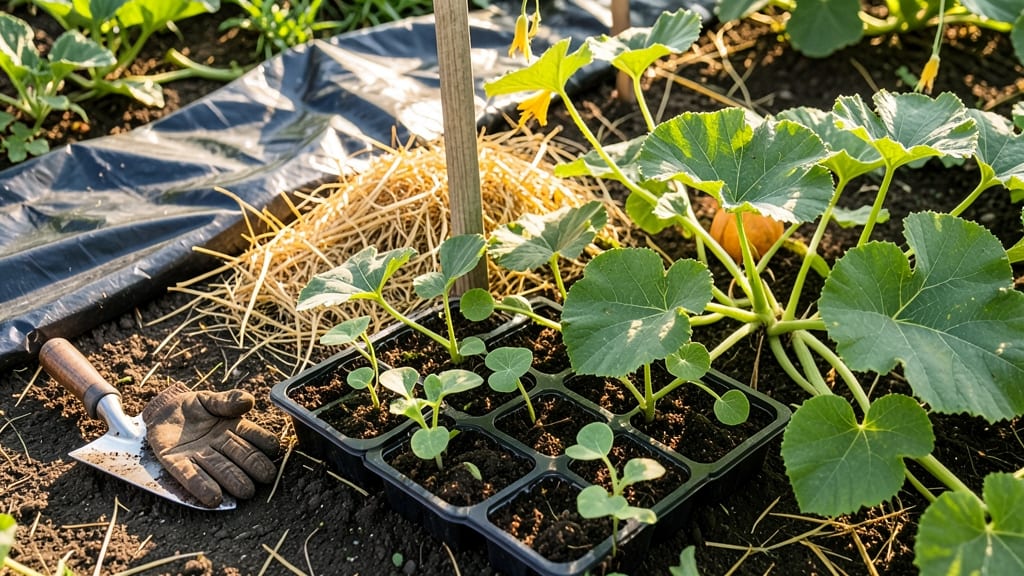
If you're dreaming of a 🎃 pumpkin patch this fall in Kentucky, timing your planting is the key to success. Planting too early risks frost damage, while waiting too long means vines won't mature before the first chill hits.
The ideal window for Kentucky's USDA Zones 6a-7a is mid-April to early June, after the last frost date.
Why does timing matter so much? Pumpkins thrive in warm weather, and Kentucky's climate gives you about 165 frost-free days to work with.
Starting seeds indoors 4-6 weeks before the last frost can give your plants a head start, but many gardeners prefer direct sowing once soil temperatures hit 60°F.
In this guide, I'll walk you through the exact planting schedule for your region, including when to transplant seedlings and how to adjust for shorter-season varieties. You'll also discover soil prep tips and companion planting strategies to maximize your harvest before Kentucky's first frost in mid-October.
Whether you're growing pumpkins for carving, baking, or just the joy of watching them grow, getting the timing right makes all the difference. Let's make sure your pumpkin patch becomes the star of your fall season!
Best pumpkin planting dates in Kentucky (USDA Zones 6a/7a)
Kentucky gardeners know pumpkins thrive in warm weather, but getting the timing right is key to avoiding frost damage or missed harvests. The last average frost date in Zones 6a/7a typically falls between April 15 and May 15, while the first frost arrives around October 15–November 1.
This leaves roughly 165 frost-free days—just enough for most pumpkin varieties to mature if planted correctly.
For direct sowing (planting seeds directly in the garden), aim for mid-April to early June after soil temperatures consistently reach 60°F. Starting seeds indoors 4–6 weeks before the last frost (around March 1–15) gives you a head start, but transplant carefully to avoid shocking young plants.
Pumpkins need 90–120 days to mature, so count backward from your expected harvest date. If you want pumpkins ready by October 1, plant seeds by mid-June at the latest. Shorter-season varieties like Jack Be Little can handle later plantings, while giant varieties need the full window.
Here’s a quick reference for Kentucky’s ideal planting windows based on your goals:
| Planting Method | Best Time | Notes | Varieties |
|---|---|---|---|
| Direct Sowing | Mid-April to early June | Soil at 60°F+; avoid cold snaps | All varieties |
| Indoor Start | March 1–15 | Transplant after last frost; harden off seedlings | Giant varieties |
| Late Planting | June (for short-season types) | Use fast-maturing varieties; protect from early frost | Jack Be Little, Sugar Pie |
If you’re growing giant pumpkins like Atlantic Giant, start seeds indoors in March and transplant by mid-May to ensure they have enough time to reach 50+ pounds.
For smaller varieties, you can push the deadline to early June—just be prepared to use row covers if frost threatens in September.
Pro tip: Use a soil thermometer to confirm temperatures are stable at 60°F before planting. Cold soil slows germination, and pumpkin seeds won’t sprout below 55°F. If your soil is still chilly in April, wait a week or two—your pumpkins will thank you with stronger vines and bigger fruits.
Kentucky’s humidity also means disease pressure is high, so avoid planting too early. Wet soil and cool nights create perfect conditions for powdery mildew and blossom end rot.
Wait until the last frost date has passed and stick to the mid-April to early June window for the best balance of growth and disease prevention.
For gardeners in higher elevations (e.g., eastern Kentucky), err on the side of later plantings (early May) to avoid late spring frosts. In western Kentucky, where summers are hotter, you can plant as early as late March if you’re willing to risk a light frost with row covers.
Remember: Pumpkins are warm-season plants, and they won’t tolerate cold. If you’re unsure about your last frost date, check your local Cooperative Extension Service or use a frost calendar app to set reminders. With the right timing, you’ll be carving (or baking!) pumpkins by Halloween.
Best pumpkin planting dates in Kentucky (USDA Zones 6a/7a)
Kentucky’s USDA Zones 6a/7a offer a 165-day frost-free window—just enough time for pumpkins to thrive. The key is planting after your average last frost date (typically April 15–May 15), when soil temperatures hit 60°F consistently. This ensures your warm-season crop gets a head start before summer’s heat sets in.
For most Kentucky growers, the ideal planting window runs from mid-April to early June. Direct-sowing seeds too early risks frost damage to tender seedlings, while planting after June may leave vines struggling to mature before the first frost in October.
Timing is especially critical for large varieties like Atlantic Giant, which need 110+ days to harvest.
| Stage | Action | Notes |
|---|---|---|
| Soil Prep | Test pH (6.0–6.8), add compost | Do 2–3 weeks before planting |
| Direct Sow | Plant seeds 1" deep, hills 2–3' apart | After last frost, soil 60°F+ |
| Transplant | Move seedlings (if started indoors) | After May 15, harden off first |
| Frost Watch | Use row covers if frost threatens | Critical for late June plantings |
If you’re growing smaller varieties like Jack Be Little (75–80 days to maturity), you can push planting to late June—but expect smaller yields. For giant pumpkins, start seeds indoors by March 15 and transplant after May 1.
Kentucky’s humidity also means prioritizing airflow to prevent powdery mildew, so space vines generously.
Pro tip: Use a soil thermometer to confirm readiness—pumpkin seeds won’t germinate below 60°F. In cooler years, opt for fast-maturing varieties (e.g., Sugar Pie) to avoid late-season setbacks.
Mulch with straw to retain moisture and regulate soil temps, which is especially helpful during Kentucky’s hot, dry spells in July and August.
Remember, pumpkins need 90–120 days to harvest, so count backward from your first frost date (October 15–November 1). Planting in early May gives you a 120-day window—ideal for most varieties. For a second crop, try short-season varieties planted in late June, but expect fewer fruits.
Once your vines sprout, watch for male and female flowers—female flowers have a tiny pumpkin at their base. This signals the start of your 30–45 day fruiting phase, where consistent watering and sunlight will determine your harvest’s success. 🎃