
Companion Plants
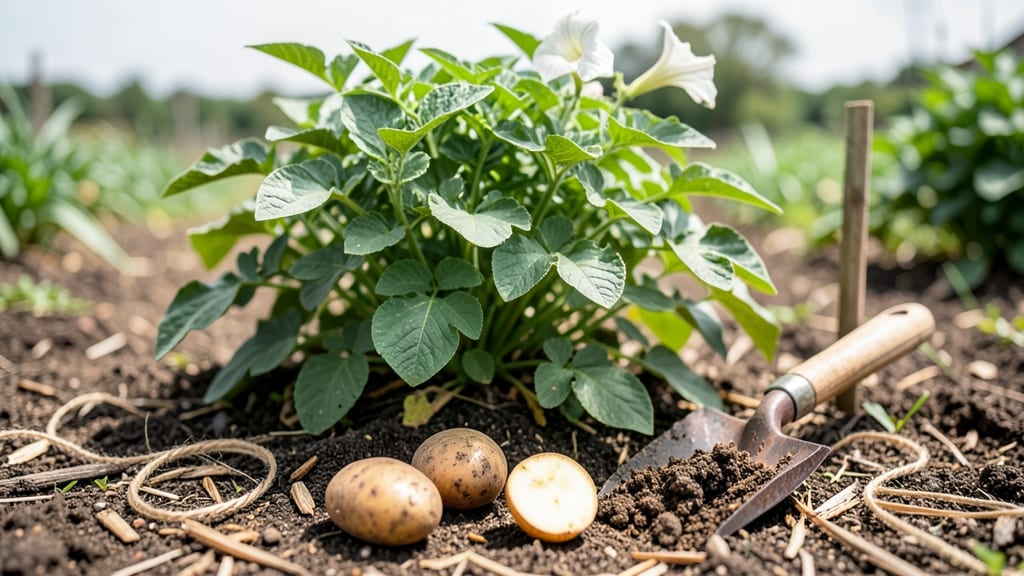
If you've ever wondered when to plant potatoes in PA, the answer isn't just about the calendar—it's about understanding your local microclimate and soil readiness. Pennsylvania's USDA Zones 5-7 mean your planting window can shift dramatically between Pittsburgh's cooler valleys and Philadelphia's slightly warmer urban pockets.
The key is planting 2-4 weeks before your last frost date—typically by early April—when soil temperatures hit 45°F. Early varieties like 'Yukon Gold' can handle Pennsylvania's chilly springs, while late-season types need warmer soil to establish roots properly.
Skipping this window risks stunted growth or worse, a harvest lost to early blight.
I'll walk you through exactly how to time your planting for maximum yield, from testing soil temperature to adjusting for your specific region's frost patterns. Whether you're a first-time gardener or a seasoned grower, these region-specific tips will help you avoid common mistakes that lead to disappointing harvests.
Let's dive into the perfect planting schedule for your Pennsylvania garden, ensuring your 🥔 potatoes thrive from seed to spud—no guesswork required.
Best planting timeline for potatoes in Pennsylvania by climate Zone
Pennsylvania’s USDA Zones 5-7 create distinct planting windows for potatoes, where timing directly impacts yield. In colder northern regions like Erie, aim for late March to early April, while warmer southern areas like Philadelphia can start as early as mid-February for cold-hardy varieties.
The key is planting when soil reaches 45-50°F (7-10°C), not air temperature.
Most of PA experiences its average last frost around April 15, but microclimates matter. Mountainous areas (e.g., Scranton) may wait until mid-April, while river valleys (e.g., Harrisburg) can plant 2-3 weeks earlier. For a continuous harvest, stagger plantings every 2 weeks from March through May.
Early varieties like Yukon Gold thrive when planted 2-4 weeks before last frost, while late-season Russet Burbank needs full soil warmth by late April. Use a soil thermometer—potatoes won’t sprout until soil hits 45°F. In cooler years, consider black plastic mulch to warm soil faster.
Pro Tip: If spring is late, prioritize cold-tolerant varieties (e.g., Red Norland) over heat-loving types like Sweet potatoes. PA’s short growing season demands smart choices!
For fall planting (a lesser-known trick in PA), choose early-maturing varieties like Kennebec and plant 6-8 weeks before first frost (typically by August 15). This method works best in Zone 6-7 areas with mild autumns. Cover young plants with straw mulch to protect from early frosts.
Always check your local Penn State Extension or NOAA frost maps for year-specific adjustments. In 2023, for example, a late frost in Pittsburgh delayed planting by 3 weeks. Stay flexible—PA’s weather is unpredictable!
If you’re in doubt, use biodegradable potato planters or grow bags to extend your season. These methods warm soil faster and let you plant 2 weeks earlier than traditional in-ground methods. Just ensure they’re placed in full sun locations.
Remember: Potatoes need 90-120 frost-free days to mature. In Zone 5, this limits you to early varieties, while Zone 7 gardeners can grow both early and late-season crops. Plan accordingly!
Best planting timeline for potatoes in Pennsylvania by climate Zone
Pennsylvania’s diverse climate means your potato planting window can vary by 1-2 weeks depending on whether you're in Pittsburgh’s Zone 6 or Philadelphia’s Zone 7**. The golden rule?
Plant 2-4 weeks before your last frost date—typically by early April—when soil hits 45°F (7°C). This timing lets tubers establish roots before summer heat arrives.
For early varieties like 'Red Norland,' you can even start in late February in southern PA if you use row covers to protect tender sprouts. Meanwhile, late-season types such as 'Kennebec' need warmer soil (50°F+) and should wait until mid-April in cooler northern regions.
Here’s how planting windows break down across PA’s key zones:
| Zone | Last Frost Date | Ideal Planting Window | Soil Temp Threshold | Best Varieties |
|---|---|---|---|---|
| Zone 5 (Northeast PA) | May 1 | April 15–April 30 | 45°F (7°C) | Yukon Gold, Kennebec |
| Zone 6 (Pittsburgh) | April 25 | March 30–April 15 | 45°F (7°C) | Red Pontiac, Fingerling |
| Zone 7 (Philadelphia) | April 15 | March 15–March 30 | 50°F (10°C) | Adirondack Red, Purple Viking |
Pro tip: Use a soil thermometer to confirm readiness—cold soil delays sprouting. In urban areas like Philadelphia, heat islands can warm soil faster, so plant 2 weeks earlier than rural areas. Conversely, mountain regions may need to wait until late April.
For a second crop, plant late-season varieties like 'Russet' in mid-June after harvesting early potatoes. This extends your harvest into September before the first frost. Just ensure your soil stays consistently moist during the hot summer months.
Missed the spring window? Don’t worry—fall planting is possible in PA’s mild Zone 7 areas. Plant seed potatoes in late August for a harvest before winter sets in, but use row covers to protect against early frosts.
Timing isn’t just about dates—it’s about soil prep and variety selection. Next, we’ll cover the cold-hardy varieties that perform best in PA’s short growing season and how to prep your soil for maximum tuber production. 🌱