
Plants
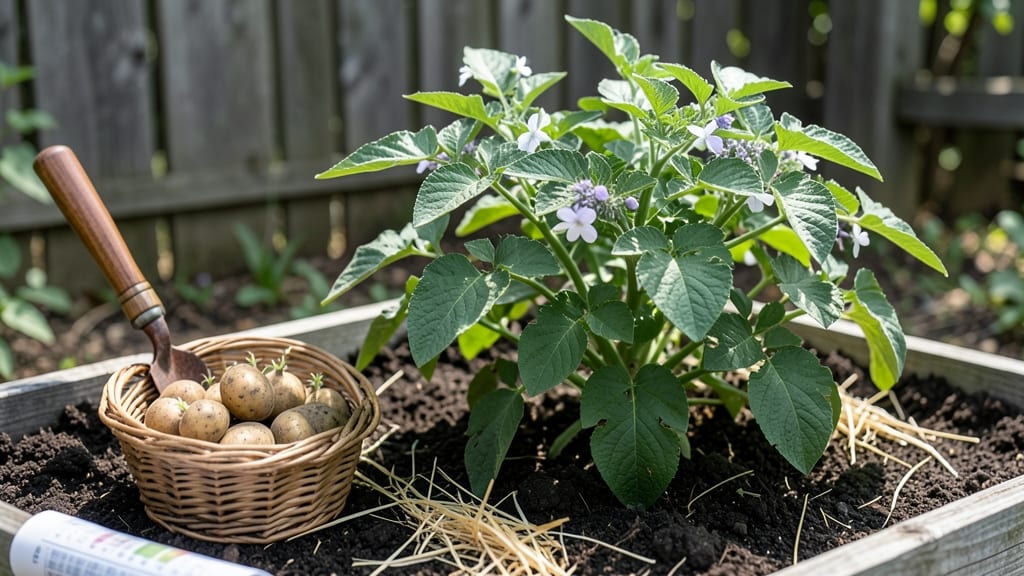
Timing when do you plant potatoes in California isn't one-size-fits-all—coastal gardeners and inland farmers could be planting at completely different times. The wrong window means frost damage or stunted growth, while perfect timing unlocks a bountiful harvest.
Let me show you exactly when to start seeds or set tubers in your specific region, whether you're battling coastal fog or baking Central Valley heat.
Most California gardeners think spring planting is the only option, but the truth is more nuanced. Coastal areas like San Francisco can plant as early as February thanks to milder winters, while inland zones like Sacramento often wait until March or April to avoid late frosts.
The key difference? Understanding your local frost dates and microclimate patterns that can shift planting windows by months.
You'll also discover why some varieties thrive in coastal conditions while others struggle in inland heat. Early-maturing potatoes like 'Yukon Gold' perform beautifully in foggy coastal gardens, while heat-tolerant types such as 'Red LaSoda' excel in the Central Valley's warmer climate.
I'll break down the best varieties for each region and share pro tips to extend your growing season no matter where you're planting.
Ready to grow potatoes that outperform your neighbors' harvest? Let's dive into the exact planting calendar tailored to California's diverse growing zones, plus soil prep secrets and post-planting care that actually works. Your 🥔 potato patch is about to get a serious upgrade.
California coastal vs inland potato planting months explained
California’s microclimates create dramatic differences in potato planting times. Coastal areas like San Francisco and Santa Barbara have milder winters, while inland regions like the Central Valley experience hotter summers and colder nights. These variations mean your planting window could shift by 2-3 months depending on location.
For coastal gardeners, the ideal planting window starts in late February and extends through early April. Inland areas should wait until mid-March to late April to avoid late spring frosts that can damage young plants.
Understanding your last frost date is critical—coastal areas average February 15, while inland regions typically see their last frost around March 15.
Here’s how these differences break down by region:
| Region | Best Planting Window | Last Frost Date | Key Consideration |
|---|---|---|---|
| Coastal (San Francisco, LA) | Late February - Early April | February 15 | Mild winters, foggy mornings |
| Central Coast (Santa Barbara) | Early March - Mid-April | February 20 | Cooler ocean breezes |
| Inland (Sacramento, Central Valley) | Mid-March - Late April | March 15 | Hotter summers, colder nights |
| Desert (Palm Springs, Riverside) | Late March - Early May | March 30 | Extreme heat tolerance needed |
If you plant too early in inland areas, your potatoes may bolt (flower prematurely) due to heat stress. Conversely, coastal gardeners who wait too long risk limited growing season before summer heat arrives.
Always check your local USDA hardiness zone—most of California falls between Zones 7-10, but microclimates vary significantly.
For coastal regions, focus on early-maturing varieties like Yukon Gold or Red LaSoda, which can be harvested in 90-100 days. Inland gardeners should opt for heat-tolerant varieties such as Russet Burbank or Kennebec, which handle warmer soils better.
Planting depth also matters—coastal areas can plant 4 inches deep, while inland soils may need 6 inches to retain moisture.
Another critical factor is soil temperature. Potatoes thrive when soil reaches 45°F (7°C). Use a soil thermometer to confirm—coastal soils warm faster in spring, while inland soils may need 2-3 weeks longer.
If your soil is too cold, young sprouts can rot. Mulching with straw or compost helps regulate temperature and retain moisture, which is especially useful in inland heat waves.
Pro tip: Succession planting works well in California. Plant a second crop in late June for a fall harvest before winter rains arrive. This strategy extends your growing season and ensures a steady supply of fresh potatoes.
Just be sure to use shade cloth in inland areas to protect young plants from intense afternoon sun.
Finally, pay attention to rainfall patterns. Coastal regions often get consistent spring rains, while inland areas may experience drought conditions. Plan for supplemental watering if natural rainfall is unreliable.
Aim for 1-2 inches of water per week, delivered directly to the soil base to avoid fungal diseases like blight.
By aligning your planting schedule with your local microclimate, you’ll avoid common pitfalls like frost damage or heat stress and enjoy a bountiful harvest. Whether you’re in foggy San Francisco or sunny Bakersfield, timing is everything for potato success.
California coastal vs inland potato planting months explained
California’s microclimates create dramatic differences in potato planting windows. Coastal areas like San Francisco and Los Angeles have milder winters, while inland regions like the Central Valley experience hotter summers. These differences mean your planting schedule could vary by 6 months depending on location.
For coastal gardeners, the ideal planting window begins in late winter (February) when soil temperatures rise above 45°F. Inland areas, however, should wait until early spring (March-April) to avoid summer heat stress.
Understanding your last frost date is critical—coastal areas rarely see frost after February, while inland regions can experience late frosts into April.
🥔 California Potato Planting Comparison
| Region | Best Planting Window | Soil Temp Requirement | Last Frost Date |
|---|---|---|---|
| Coastal (SF, LA) | February-March | 45°F+ | Mid-February |
| Inland (Sacramento, Central Valley) | March-April | 50°F+ | Mid-April |
| Desert (Palm Springs) | September-October | 60°F+ | None (winter harvest) |
*Adjust for high-altitude areas (add 2-4 weeks to schedule)
In coastal regions, early varieties like Yukon Gold or Red Pontiac thrive when planted in February. These varieties mature in 70-90 days, perfect for avoiding summer heat. Meanwhile, inland gardeners should opt for heat-tolerant varieties like Russet or Kennebec, planted in March-April for summer harvests.
One critical mistake is planting too early in inland areas. Soil temperatures below 50°F can stunt growth, leading to poor yields. Use a soil thermometer to confirm readiness—potatoes need consistent warmth to sprout and develop properly.
For fall harvests, some gardeners in coastal areas can plant a second crop in July, using early-maturing varieties that finish before winter rains arrive. This strategy works best in USDA Zone 9-10, where frost is rare.
Always check your local agricultural extension office for precise frost dates—these can shift yearly. With the right timing, you’ll enjoy homegrown potatoes from spring to fall, regardless of where you garden in California. 🌱