
Plants
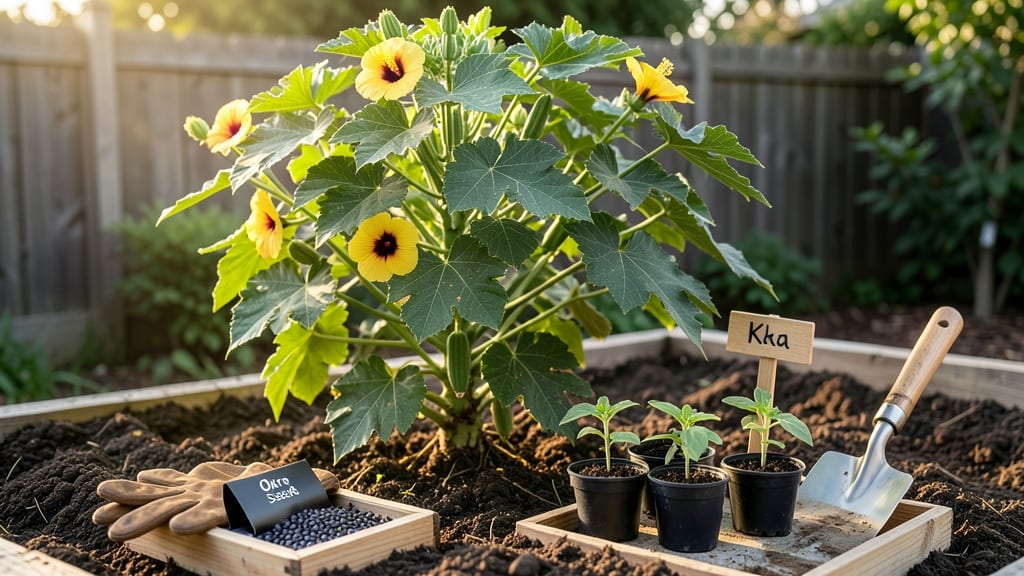
If you're wondering "when do you plant okra in Arkansas", timing is everything—especially when frost can turn your hard work into a sad, wilted pile of 🌱 dreams.
Arkansas gardeners know that planting too early risks frost damage, while waiting too long might cut your harvest short before summer's peak heat. The key is planting after your last frost date, typically by mid-April, but soil temperatures matter just as much.
Okra thrives in warmth, so don’t rush it—wait until the soil reaches at least 60°F before sticking those seeds in the ground. In Arkansas’ 7a-8a zones, that usually means late April or early May, depending on how quickly your spring warms up.
Skipping this step can leave your plants struggling, and nobody wants to watch their okra plants fight for survival while the heat of summer looms.
Here’s the good news: once you get the timing right, okra grows fast—50-80 days to harvest—and rewards you with tender pods from July through October. But getting there starts with the right planting window.
Let’s break down exactly when to plant in Arkansas, so you can avoid frost, maximize your yield, and enjoy fresh okra all summer long.
Whether you’re a seasoned gardener or just starting out, these tips will help you plant okra at the perfect time—no guesswork, no wasted effort. Ready to turn your Arkansas garden into an okra powerhouse? Let’s dive in.
Arkansas okra planting dates by heat zone: avoid frost and maximize yield
Arkansas' diverse climate means your okra planting window varies dramatically from the cool northern hills to the hot southern lowlands. The state's 7 heat zones (A1-A7) determine when you can safely plant okra seeds or transplants without risking frost damage.
Let's break down the exact planting windows for each zone to ensure your okra thrives during Arkansas' 180-day growing season.
Okra is a heat-loving annual that won't tolerate temperatures below 50°F. In Arkansas, this means waiting until after the average last frost date, which ranges from March 15 in southern zones to April 15 in northern areas.
Planting too early risks stunted growth or death from unexpected cold snaps, while planting too late may cut your harvest short before fall frosts arrive.
🌱 Key Rule: Always wait until soil temperatures reach at least 60°F (measured 2-3 inches deep) before planting okra seeds. Use a soil thermometer to verify—this is more reliable than air temperature alone.
| Zone | Last Frost Date | Ideal Planting Window | Soil Temp Requirement | Notes |
|---|---|---|---|---|
| A1 (Northwest) | April 15 | May 1-15 | 60°F+ | Shortest growing season; use faster varieties like 'Clemson Spineless' |
| A2 (Northeast) | April 1 | April 20-May 10 | 60°F+ | Use black plastic mulch to warm soil faster |
| A3 (Central) | March 25 | April 10-May 5 | 60°F+ | Longest growing season; can extend harvest into October |
| A4 (West Central) | March 20 | April 5-April 25 | 60°F+ | Hot summers; plant early to avoid August heat stress |
| A5 (Southwest) | March 15 | April 1-April 20 | 60°F+ | Drought-prone; use drip irrigation for best results |
| A6 (Southeast) | March 10 | March 25-April 15 | 60°F+ | Warmest zone; can plant successive crops through June |
| A7 (Delta) | March 5 | March 20-April 10 | 60°F+ | Humid climate; choose disease-resistant varieties like 'Emerald' |
For gardeners in northern Arkansas (Zones A1-A3), I recommend starting okra seeds indoors under grow lights 4-6 weeks before your target outdoor planting date. This gives you a 2-week head start on the growing season.
Use biodegradable pots to avoid transplant shock when moving seedlings outdoors after the last frost.
In southern Arkansas (Zones A4-A7), where summers are intense, you can actually plant okra as early as February if you use row covers or black plastic mulch to warm the soil. The key is maintaining that 60°F soil temperature
How to time okra planting for Arkansas’ unpredictable weather patterns
Arkansas’ unpredictable weather can turn a perfect planting day into a frost warning overnight. Okra thrives in consistent heat, so timing your planting around soil temperature and microclimates is key.
Unlike cooler crops, okra seeds won’t germinate in cold soil—aim for at least 60°F before planting. My trick? Use a soil thermometer to check depth, because surface temps can be misleading.
If your spring arrives late, don’t panic—okra is fast-growing and can handle direct sowing as late as mid-June in most of Arkansas. However, northern regions (like Zone A1-A3) should plant by May 15 to avoid cutting the growing season short.
For southern Arkansas (Zones A5-A7), you’ve got flexibility until June 1.
Here’s my pro tip: Use black plastic mulch or row covers to warm soil faster. Lay them down 1-2 weeks before planting to create a microclimate that mimics summer conditions. This works wonders in delayed springs or when early frost threatens your harvest. Just
For gardeners in northern Arkansas, where frost lingers longer, consider starting seeds indoors 2-3 weeks before your last frost date. Use biodegradable pots to transplant seedlings without disturbing roots. Just be warned—okra seedlings hate transplant shock, so harden them off gradually by exposing them to outdoor conditions for 1-2 hours daily before planting.
Don’t forget to monitor weather forecasts in the weeks leading up to planting. If a late frost is predicted, delay planting until after the threat passes. Okra’s 60-80 day growing season means you’ll need to time it right to avoid a shortened harvest.
In my experience, late May is the sweet spot for most of Arkansas—it balances soil warmth and growing season length.
Finally, if you’re in a microclimate (like near a river or hillside), observe your garden’s unique conditions. These areas may warm up faster or stay cooler longer. Keep a garden journal to track when your okra thrives best—this data is gold for future seasons!
With these strategies, you’ll maximize your okra yield even when Arkansas’ weather throws curveballs. 🌱