
Plants
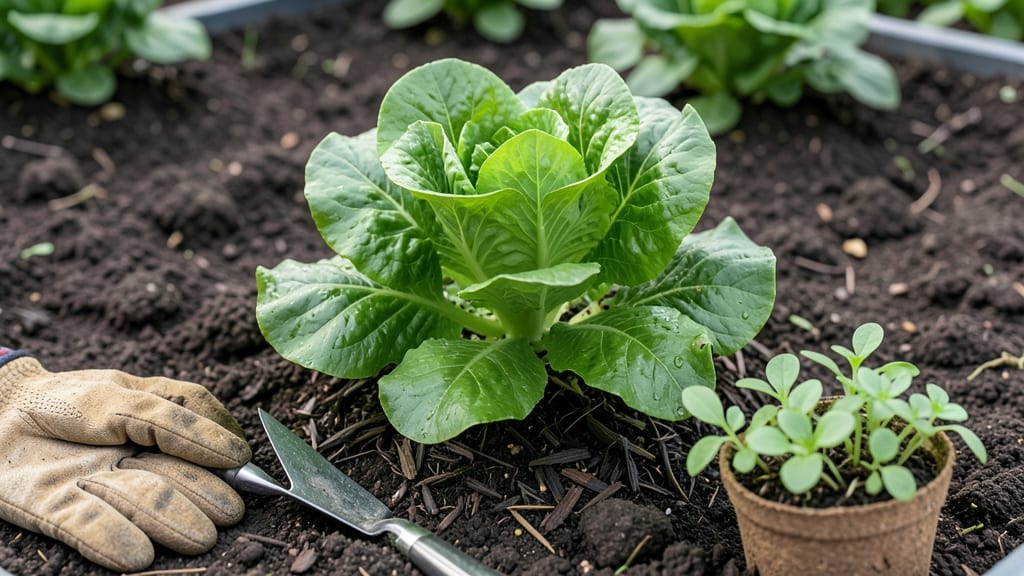
Planting lettuce in Georgia at the wrong time can turn your crisp, fresh 🥬 dreams into bitter disappointment—literally. The key to zero-frost success lies in understanding Georgia’s unique climate zones and frost-free windows, which stretch from February to November depending on where you garden.
Most gardeners in zones 7b-8b know spring is prime time, but did you know fall planting (August-September) often yields sweeter harvests? The secret? Timing your seeds to avoid bolting during Georgia’s heat spikes while still catching those cooler October days when lettuce thrives.
I’ll show you exactly when to plant for peak harvests—whether you’re in Atlanta’s Piedmont heat or Savannah’s coastal breezes—and how to extend your season with simple shade tricks. No more guessing games about frost dates or heat-sensitive varieties.
Ready to grow lettuce that’s crisp, abundant, and ready to harvest from April through November? Let’s get your Georgia garden on track for a salad-filled year.
Best planting months for lettuce in Georgia’s climate zones (7a-8b)
Georgia’s USDA Zones 7a-8b offer two prime windows for growing crisp, sweet lettuce: spring and fall. Timing these correctly avoids the state’s sweltering summer heat (which causes bolting) and unpredictable winter freezes.
Let’s break down the exact months for each region—from Atlanta’s Piedmont to Savannah’s coastal warmth.
For spring planting, aim for February through April—starting 4-6 weeks before your last frost date. In Zone 7a (northern GA), this means late February to early March, while Zone 8b (coastal areas) can begin as early as mid-January.
The key is beating the heat: lettuce thrives when daytime temps stay below 75°F.
Fall is your second chance! Plant August through September to harvest before first frost (typically mid-November). In Atlanta, seed by early September; in Savannah, extend to mid-October. This timing lets lettuce mature before winter’s chill sets in.
Here’s how Georgia’s microclimates shift your schedule:
| Region | Spring Planting | Fall Planting | Heat Tolerance Tip |
|---|---|---|---|
| Northern GA (Zone 7a) | Late Feb–Early April | Early Sept–Mid-Oct | Use shade cloth in May |
| Atlanta/Piedmont (Zone 7b) | Mid-Feb–Late March | Late Aug–Early Oct | Plant heat-tolerant varieties like Romaine |
| Central GA (Zone 7b-8a) | Early Feb–Early April | Mid-Aug–Late Sept | Succession plant every 2 weeks |
| Coastal GA (Zone 8a-8b) | Mid-Jan–Early April | Late Aug–Mid-Oct | Extend season with row covers |
Pro tip: Use Georgia’s average frost dates as your guide. The last frost in Zone 7a is March 15, while Zone 8b sees frost as late as January 10. For fall, subtract 60 days from your first frost date to calculate your final planting window.
Heat-sensitive varieties like Buttercrunch or Iceberg need cool nights (below 60°F) to stay crisp. If temps creep above 80°F, switch to heat-tolerant types like Romaine or Black-Seeded Simpson. These varieties can handle short heat spells better than traditional lettuces.
In Atlanta’s Piedmont, where summers are hotter and drier, start seeds indoors in late January and transplant outdoors by mid-March.
Coastal areas like Savannah have milder winters, so you can plant outdoor lettuce as early as January—just protect it with row covers if nights dip below 30°F.
Remember: Succession planting is your secret weapon. Sow new seeds every 2 weeks from February to April (spring) and August to September (fall) to ensure a continuous harvest. This works especially well for leaf lettuces like Oakleaf, which you can harvest in 30-45 days.
For head lettuces (like Iceberg), give them 60 days to mature, so time your last spring planting for early April and your first fall planting for mid-August. This ensures heads form before summer’s heat or winter’s chill interferes.
🥬
Best planting months for lettuce in Georgia’s climate zones (7a-8b)
Georgia’s USDA zones 7a-8b offer two prime windows for planting lettuce—spring and fall—each requiring precise timing to avoid bolting or frost damage. In the Piedmont (Atlanta area), aim for February through April in spring and August through September for fall harvests.
Coastal regions like Savannah can extend planting into late October thanks to milder winters.
Spring planting starts 4-6 weeks before your last frost date (typically mid-March in most of Georgia). For example, sow seeds in early February for a April harvest before summer heat sets in.
Fall planting mirrors this logic: begin 8-10 weeks before first frost (usually mid-November), so late August sowings yield crisp heads by October-November.
Here’s how Georgia’s microclimates affect timing:
| Region | Spring Planting | Fall Planting | Heat-Tolerant Varieties |
|---|---|---|---|
| Piedmont (Atlanta) | Feb 15–Mar 15 | Aug 15–Sep 15 | Romaine, Buttercrunch |
| Coastal (Savannah) | Jan 15–Feb 28 | Aug 1–Oct 1 | Black Seeded Simpson, Oakleaf |
| Mountains (Blue Ridge) | Mar 1–Apr 1 | Jul 15–Aug 15 | Green Leaf, Red Sails |
For zero-frost success, use row covers or cold frames to protect seedlings during unexpected late frosts (common in March). In fall, prioritize heat-tolerant varieties like Romaine or Buttercrunch, which handle Georgia’s 90°F+ temperatures better than delicate leaf lettuce.
Pro tip: Plant successive crops every 2 weeks in spring/fall to ensure a continuous harvest. For example, sow 20 seeds every 14 days from February to April for a 6-week harvest window. This method maximizes yield and minimizes bolting risks from fluctuating temperatures.
Bolting (premature flowering) is your biggest enemy in Georgia’s heat. If daytime temps exceed 80°F for more than 3-4 days, lettuce bolts rapidly. To delay bolting, use 30-50% shade cloth during peak afternoon heat (12 PM–4 PM) and water deeply in the morning to keep roots cool.
Remember: Georgia’s long growing season (210+ frost-free days) lets you grow lettuce almost year-round with the right strategies. Start small—try a 4x8-foot raised bed—and experiment with fall/winter varieties like Winter Density or Arctic King for extended harvests into December.