
Plants
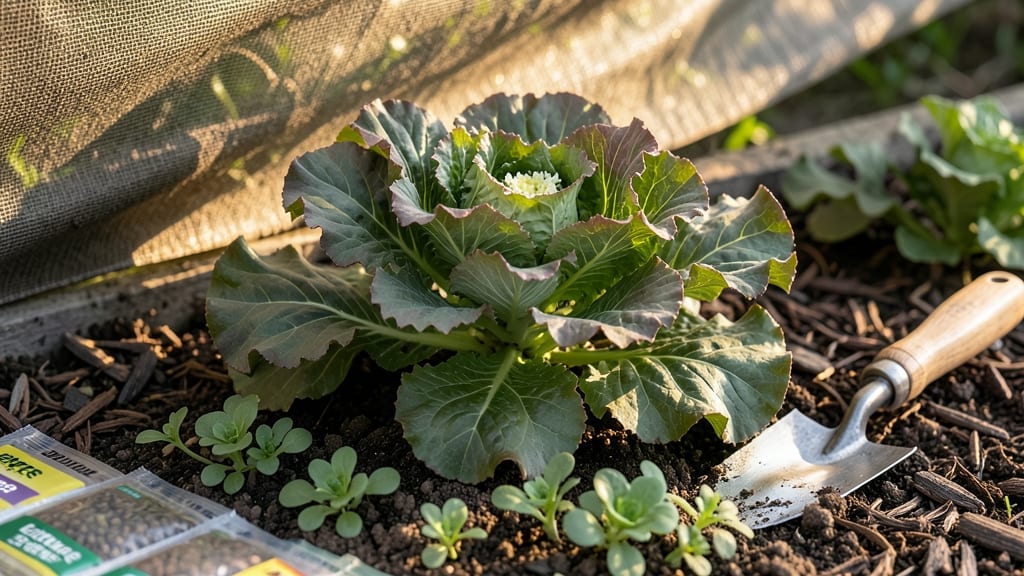
If you’ve ever planted lettuce in Texas only to watch it bolt into bitter seeds by July, you’re not alone. The key to growing crisp, sweet 🥬 all season lies in timing—something most gardeners get wrong, especially in our 8a-10b zones.
Texas heat turns tender lettuce into a sad, wilted memory if planted at the wrong time. But here’s the good news: with the right strategy, you can enjoy fresh harvests from late fall through early spring.
I’ll break down the best planting windows for your region and share tricks to beat the Texas sun.
Whether you’re in North Texas or the Rio Grande Valley, the secret isn’t just when you plant—it’s how you protect your greens from extreme heat. Let’s dive into the perfect schedule for bolt-free lettuce, no matter where you garden.
You’ll learn which months work best, how to extend your season with shade, and which heat-tolerant varieties actually thrive. No more wasted effort—just crisp, flavorful lettuce when you need it most.
Best planting months for lettuce in Texas regions (avoiding bolt and heat stress)
Texas gardeners often assume lettuce only grows in cool months, but with the right timing and varieties, you can harvest crisp leaves year-round. The key is understanding your USDA Zone (8a-10b) and avoiding spring heat spikes that trigger bolting.
North Texas (Zone 8a) has a shorter growing window than South Texas (Zone 10a), so planting strategies vary dramatically.
Most Texas gardeners succeed by planting lettuce in fall (September-October) and early spring (February-March). These windows provide cooler temperatures while avoiding summer's relentless heat. The first frost dates vary—North Texas sees frost by January 1, while South Texas rarely drops below freezing.
Here's the critical timeline: Seedlings take 45-60 days to mature, so time your planting to finish before summer's 90°F+ days. For example, a September 15 planting in Central Texas yields harvests by November 1, just before winter chill sets in.
Don't make the mistake of planting lettuce in late spring (April-May)—this almost always results in bitter, bolted leaves by June. Even heat-tolerant varieties struggle when daytime temps exceed 80°F for more than 2 weeks.
Texas's diverse microclimates mean your neighbor's "perfect" planting time might fail in your garden. For instance, El Paso (Zone 8a) can plant lettuce 2 weeks earlier than Houston (Zone 9a) due to cooler mountain air. Always check your local first frost date and count backward from your target harvest month.
| Texas Region | USDA Zone | Best Planting Windows | Avoid Planting After | Succession Planting Tip |
|---|---|---|---|---|
| North Texas (Dallas, Fort Worth) | 8a | Sep 1-15, Feb 15-Mar 15 | April 15 (bolting risk) | Every 2 weeks until Oct 15 |
| Central Texas (Austin, San Antonio) | 8a-9a | Aug 20-Sep 30, Feb 1-Mar 15 | April 30 (heat stress) | Every 3 weeks until Nov 1 |
| South Texas (Houston, Corpus Christi) | 9a-10a | Sep 1-Oct 15, Jan 15-Feb 15 | May 1 (extreme heat) | Every 4 weeks until Dec 15 |
| High Plains (Lubbock, Amarillo) | 7b-8a | Aug 15-Sep 15, Feb 1-Mar 10 | April 10 (cold snaps) | Every 2 weeks until Sep 30 |
For continuous harvests, use succession planting—sow new seeds every 2-3 weeks during your region's ideal window. This ensures you always have young, tender leaves ready to pick. In North Texas, for example, planting September 1, 15, and 30 gives you harvests through November and December.
Texas's fall rains can create muddy planting conditions, so prepare your beds with raised beds or containers if your soil gets waterlogged. Amend with compost to improve drainage—lettuce roots need oxygen to prevent rot during our humid autumns.
Pro tip: Use shade cloth (30-50%) over new seedlings to protect them from intense afternoon sun during fall planting. This simple trick can extend your growing season by 2-3 weeks before winter chill sets in.
Remember that Texas's long growing season means you can experiment with winter lettuce in protected microclimates. In Zone 9a and 10a, December plantings often survive with row covers and yield harvests in January-February—just before spring planting begins.
When planning your lettuce calendar, always account for local heat islands. Urban areas like Houston or Dallas can be 5-10°F warmer than rural areas, accelerating bolting. Adjust your planting dates 1-2 weeks earlier if you're gardening in the city.
Best planting months for lettuce in Texas regions (avoiding bolt and heat stress)
Texas’s diverse climate zones mean your lettuce planting schedule should change from North Texas to South Texas. The key is planting when daytime highs stay below 80°F (27°C)—any hotter, and your lettuce will bolt faster than you can say "Texas summer."
Most gardeners in USDA Zones 8a-10b focus on fall and spring plantings, but with the right strategies, you can stretch your season.
In North Texas (Zones 8a-8b), aim for September to October for fall crops and February to March for spring. Central Texas (Zones 8b-9a) gardeners can start as early as August for fall and January for spring, while South Texas (Zones 9a-10b) enjoys a longer window—July to September for fall and December to February for spring.
The High Plains (Zone 7b) have the shortest season, with late August to October and March to April as the safest bets.
🌱 Texas Lettuce Planting Guide by Region
| Region | Best Planting Window | Heat-Tolerant Varieties | Succession Planting Tip |
|---|---|---|---|
| North Texas (Zones 8a-8b) | Sep-Oct (fall), Feb-Mar (spring) | 'Black Seeded Simpson', 'Jericho' | Plant every 2 weeks for continuous harvests |
| Central Texas (Zones 8b-9a) | Aug-Sep (fall), Jan-Feb (spring) | 'Romaine', 'Winter Density' | Use shade cloth for summer plantings |
| South Texas (Zones 9a-10b) | Jul-Aug (fall), Dec-Feb (spring) | 'Buttercrunch', 'Green Forest' | Plant in containers with afternoon shade |
| High Plains (Zone 7b) | Late Aug-Oct (fall), Mar-Apr (spring) | 'Winter Density', 'Arctic King' | Extend season with row covers |
🌡️ Pro Tip: Always check your local average last frost date—North Texas’s is November 15, while South Texas rarely sees frost.
One of the biggest mistakes Texas gardeners make is thinking lettuce only grows in cool weather. While it’s true that lettuce bolts when temperatures rise, heat-tolerant varieties and succession planting can keep your garden productive year-round.
For example, planting every 2 weeks in fall ensures you always have fresh leaves, even as winter approaches. In Central and South Texas, where winters are mild, you can even grow lettuce year-round with shade protection.
If you’re in North Texas, focus on fall plantings—this is your best chance for a full harvest before winter. Start seeds indoors 6-8 weeks before your target planting date (so around July 15 for a September 1 garden).
For spring crops, begin seeds indoors in January and transplant in February to beat the heat. In South Texas, where winters are warm, you can plant year-round but prioritize shade and irrigation during summer months.
Don’t forget about microclimates—your backyard might be cooler than your neighbor’s due to shade trees, buildings, or wind patterns. Use these cooler spots for summer lettuce or extend fall plantings.
For example, a north-facing bed stays 10-15°F cooler than a south-facing one, giving your lettuce a fighting chance in June or July. Pair this with drip irrigation to keep soil moisture consistent, and you’ll avoid the bitter, bolted lettuce that ruins salads.
For urban gardeners in cities like Austin or Dallas, containers are a game-changer. Fill them with well-draining potting mix and place them on patios or balconies with afternoon shade. This lets you grow lettuce even in 100°F heat—just swap out plants every 4-6 weeks for a steady supply.
The key is consistency: lettuce hates fluctuating temperatures, so avoid planting when daytime highs exceed 85