
Plants
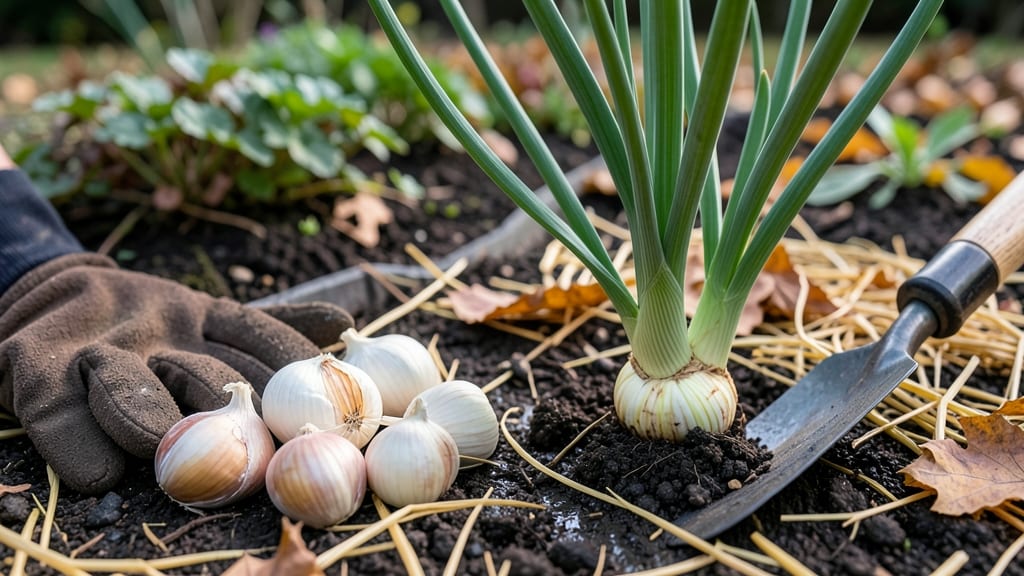
Planting garlic in Zone 6 at the right time isn't just about timing—it's the difference between small cloves and plump, flavorful bulbs that make your kitchen the envy of the neighborhood.
The key? Getting those cloves into the ground 4-6 weeks before the first frost, typically between October and November, when the soil is cool but still workable.
If you've ever wondered why some gardeners swear by early fall planting while others wait until late November, the answer lies in how your Zone 6 climate interacts with garlic's growth cycle.
Too early, and frost can damage young shoots; too late, and your bulbs may not mature fully before summer heat sets in. I'll break down the exact window—plus how to adjust for hardneck vs. softneck varieties—and why this small detail makes all the difference.
What you'll discover is that garlic thrives on cold weather during its early stages, but it also needs time to establish roots before winter sets in. This means your planting date isn't just about the calendar—it's about reading your soil and microclimate.
Whether you're a first-time planter or a seasoned gardener, these insights will help you avoid common mistakes and set yourself up for a high-yield harvest next summer.
Let's dive into the exact months, soil prep secrets, and climate tweaks that will turn your garlic patch from ho-hum to hero—because nothing beats the satisfaction of pulling up those golden cloves in late June or July, ready to elevate every dish you cook.
Zone 6 garlic planting calendar: exact months for bulb success
Planting garlic in Zone 6 requires precision—your bulbs need 6-8 weeks of cold dormancy before spring growth, but not so early that frost kills young sprouts. The ideal window is mid-October to early November, when soil temps drop below 60°F but before hard freezes hit.
This timing ensures hardneck varieties develop scape stems while softnecks focus on bulb growth.
For hardneck garlic (the most popular choice in Zone 6), aim for planting by October 15th—this gives them enough cold exposure to produce those prized flavorful cloves and edible scapes.
Softnecks, like Silverskin garlic, are more forgiving but still thrive when planted by November 1st to avoid winter heaving from freeze-thaw cycles.
Your last frost date in Zone 6 typically falls around mid-November, but garlic cloves can survive light frosts once established. The key is planting 4-6 weeks before the ground freezes—this allows roots to anchor before winter dormancy.
Use a soil thermometer to confirm temps are consistently below 50°F at planting time.
| Planting Window | Variety | Soil Temp | Key Notes |
|---|---|---|---|
| Mid-October | Hardneck | 50-60°F | Best for scapes + large bulbs |
| Late October | Hardneck | 40-50°F | Risk of winter heaving |
| Early November | Softneck | 35-45°F | Best for storage varieties |
| Late November | Any | Below 32°F | High frost risk; avoid |
Zone 6 gardeners often debate whether to plant garlic in September for an early start, but this risks premature sprouting before cold stratification. If you must plant early, use row covers to protect cloves from early frosts that can blacken sprouts.
For most growers, waiting until October ensures cloves stay dormant until winter chilling begins.
Consider your harvest goals when timing plantings. Hardnecks planted in October yield scapes in June and bulbs by July, while November plantings may delay harvest until August. Softnecks, however, store better and can be planted slightly later without sacrificing quality.
Pro tip: Use organic matter like compost or well-rotted manure before planting to improve soil drainage—Zone 6’s clay-heavy soils can cause rot if waterlogged. Aim for a pH of 6.0-7.0 and add 1 inch of compost per planting hole.
This prep ensures your garlic gets the nutrient boost it needs after winter dormancy.
If you miss the fall window, don’t despair—spring planting (March) works but produces smaller bulbs. Cloves need 10-12 hours of daylight to bulb properly, so spring plantings lack the cold exposure needed for full development.
For best results, stick to fall planting and adjust your schedule based on your last frost date.
Remember: Garlic is a cool-season crop, meaning it thrives in Zone 6’s mild winters. The colder the winter, the larger your bulbs will grow—just don’t let temps drop below -10°F without mulch protection.
Use straw or leaves (4-6 inches thick) to insulate planted cloves during freeze-thaw cycles.
For Zone 6b gardeners (colder microclimates), push planting to early October to avoid early November freezes. Those in Zone 6a (warmer) can wait until mid-November, but monitor soil temps closely. A digital thermometer is your best friend here—aim for 40-50°F at planting depth.
Zone 6 garlic planting calendar: exact months for bulb success
Timing your garlic planting in Zone 6 is all about catching that sweet spot between fall frost and ground freeze. Aim for 4-6 weeks before the first hard frost, which typically lands in mid-October for most of Zone 6.
This means your ideal window is late September through early November, but October is the gold standard for most gardeners.
For hardneck varieties (like Rocambole or Purple Stripe), this timing is critical—they need cold exposure to form bulbs. Softneck varieties (like Artichoke or Silverskin) are more flexible but still thrive with a cool fall start. Missing this window? Don’t panic—we’ll cover adjustments for late plantings later.
| Planting Window | Zone 6 Timing | Key Consideration |
|---|---|---|
| Ideal Planting | Late September–October | 4-6 weeks before frost; soil temps ~50°F |
| Extended Window | Early November | Use mulch for frost protection; risk of smaller bulbs |
| Late Planting | December (risky) | Only for softnecks; may not bulb fully |
| Spring Alternative | March–April | Smaller bulbs; harvest same year |
Soil temperature is your secret weapon. Garlic cloves need soil temps between 40°F and 50°F to sprout successfully. In Zone 6, this usually aligns with late October, but check your local USDA frost map for precise dates.
Pro tip: Use a soil thermometer to confirm—cold soil can delay sprouting for weeks.
Hardneck varieties like German Red or Music need that cold period to develop their signature scape (flower stalk) and larger bulbs. If you plant too late (after early November), you’ll likely end up with smaller, less flavorful bulbs.
For softnecks like California Early, the window is slightly wider, but they still prefer a cool start.
Don’t overlook moon planting phases—some gardeners swear by planting during a waxing moon for stronger roots. While science isn’t definitive, it’s a fun tradition! Pair this with well-draining soil and full sun exposure, and you’re set for garlic success in Zone 6.
Remember: The goal is to give your garlic 10-12 weeks of active growth before the next summer heatwave. This ensures bulbs mature fully before late June harvests. Miss the fall window? We’ll cover spring planting hacks in the next section—don’t worry!