
Plants
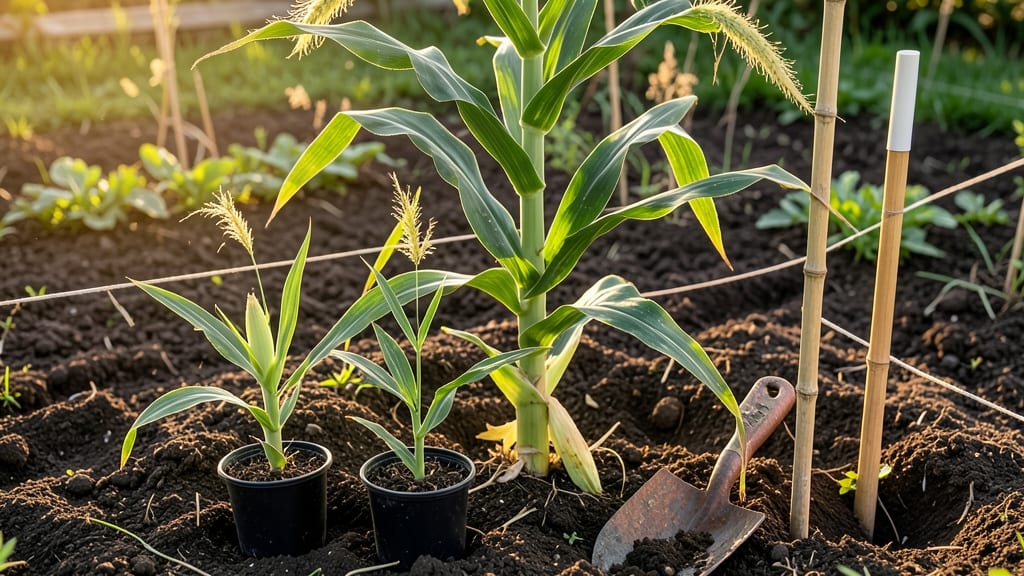
Planting corn in Kansas at the wrong time can mean the difference between a bountiful harvest and wasted effort. Whether you're a seasoned farmer or a backyard gardener, timing is everything—especially when dealing with USDA zones 5b-7a and Kansas' unpredictable spring weather.
The ideal window for planting 🌽 corn in Kansas runs from mid-April to mid-May, right after the last frost. But here's the catch: soil temperature matters just as much as frost dates. Cold soils can stall germination, leaving your crop vulnerable to pests and drought—two major concerns in Kansas fields.
In this guide, I’ll break down the exact weeks before last frost you should plant, how to check soil warmth, and which corn varieties thrive best in Kansas’ climate. You’ll also learn how to avoid common mistakes that cut yields short.
Ready to grow corn that stands tall and produces like a pro? Let’s get started with the precision planting strategies that work in Kansas—and why waiting too long (or starting too early) can cost you the harvest.
Kansas corn planting timeline: exact weeks before last frost by region
Planting corn in Kansas isn’t just about avoiding frost—it’s about matching your planting window to your USDA hardiness zone and soil warmth. The state spans Zones 5b to 7a, meaning frost dates vary dramatically from northwest Kansas (Zone 5b) to southeast Kansas (Zone 7a).
Getting this wrong can mean stunted stalks or poor ear development.
Most Kansas gardeners aim to plant corn 2-4 weeks after the last frost date, but soil temperature matters more than the calendar. Corn seeds need soil temperatures above 50°F to germinate reliably—waiting for 60°F+ ensures faster, healthier growth.
In northwest Kansas, this often means mid-April to early May, while southeast Kansas can start as early as late March.
Historical frost data shows Kansas’ last spring frost typically occurs between March 25 and April 15, but microclimates (like river valleys or urban heat islands) can shift this by 1-2 weeks.
For example, Wichita (Zone 7a) may see frost-free soil by early April, while Hays (Zone 5b) might wait until mid-April.
Here’s how to align your planting with Kansas’ regional frost patterns:
🌽 Kansas Corn Planting Timeline by Region
| Region | USDA Zone | Last Frost Date | Optimal Planting Window | Soil Temp Goal | Days to Maturity |
|---|---|---|---|---|---|
| Northwest Kansas (e.g., Hays, Colby) | 5b | April 1-15 | April 15-May 1 | 60°F+ | 90-120 days |
| Northeast Kansas (e.g., Topeka, Manhattan) | 6a | March 25-April 5 | April 5-April 25 | 55°F+ | 85-110 days |
| Southeast Kansas (e.g., Pittsburg, Chanute) | 7a | March 15-25 | March 25-April 15 | 50°F+ | 80-100 days |
| Southwest Kansas (e.g., Dodge City, Garden City) | 6b | March 30-April 10 | April 10-April 30 | 58°F+ | 90-115 days |
⚠️ Pro Tip: Use a soil thermometer to confirm temps—corn seeds won’t germinate below 50°F, even if frost is gone.
Choosing the right corn variety also depends on your region. Early-maturing hybrids (80-90 days), like 'Golden Bantam' or 'Early Sunglow', work well for northwest Kansas with shorter growing seasons. Meanwhile, southeast Kansas can handle longer-season varieties (100+ days) like 'Pioneer 33T23' for larger ears.
For drought-prone areas (common in southwest Kansas), opt for drought-tolerant hybrids like 'Silver Queen' or 'Peaches and Cream'. These varieties prioritize kernel development over stalk height, making them ideal for limited water supplies.
One common mistake is planting too early in hopes of a longer season—this often leads to rotten seeds in cold soil. Instead, use black plastic mulch to warm soil faster if you’re in a Zone 5b area.
This can shave 1-2 weeks off your planting timeline by raising soil temps by 5-10°F.
Track your local frost dates using resources like the Kansas State University Agronomy Extension or the National Weather Service. Their frost-free calculators account for 30-year averages and help you plan 2-3 weeks in advance for seed ordering and soil prep.
Remember: Corn loves heat, and Kansas summers deliver—but only if you give it a strong start. Planting at the right time ensures your stalks reach 6-12 feet and produce plump, sweet ears by July or August.
How to calculate your ideal corn planting date using soil temperature (not just frost dates)
Frost dates are a great starting point, but soil temperature is the true decider for corn planting success in Kansas. Corn seeds need consistent soil temps of 60°F+ to germinate properly—cold soils delay sprouting and invite rot.
I’ve planted corn too early in March’s chilly loam, only to watch seedlings rot before emerging. Don’t make that mistake!
Here’s the science: Corn germinates best when soil reaches 50°F for 10+ days, but 60°F+ is ideal. Kansas’ black soil warms faster than loam, so your planting window shifts based on soil type.
A soil thermometer ($15 at garden centers) is your best tool—check temps at 4-inch depth (where roots start).
🌡️ Kansas Soil Warming Timeline
- Mid-April: Soil hits 50°F in southern Kansas (USDA Zone 7a).
- Late April: Northern Kansas (Zone 5b) reaches 50°F—wait for 60°F!
- Early May: 60°F+ across most of Kansas—prime planting time for fastest germination.
- Mid-May: Last chance for short-season varieties in northern regions.
Pro tip: Use the degree-day accumulator method for precision. Corn needs 250–300 growing degree days (GDD) from planting to tasseling. Track GDD using free online tools like the Midwest Regional Climate Center’s GDD calculator—it accounts for daily highs/lows better than guesswork.
I planted Pioneer 39T78 in early May last year, and the GDD data showed it hit tasseling exactly on June 15, right when the silks appeared.
Black soil heats up 2–3 days faster than loam, so adjust your dates accordingly. Test your soil’s warming speed: Bury a thermometer in both soil types for a week in April. If black soil hits 60°F 3 days before loam, plant in the black soil first.
This trick saved my early-season harvest last year when a late frost hit the loam plots.
Never plant corn in cold, wet soil—it suffocates roots and invites pythium disease. Wait until the soil is crumbly and warm to the touch. I once planted in 52°F soil in a rush, and only 60% of seeds germinated.
Since then, I’ve sworn by the finger test: Stick your finger 4 inches deep—if it feels cooler than your wrist, wait.
For maximum yields, aim to plant when soil is 60–70°F. This ensures uniform germination and strong early growth. In Kansas, that typically means late April to early May, but always verify with your local K-State Extension office.
They provide hyper-local soil temperature data based on weather patterns from the past decade—far more accurate than generic charts.