
Plants
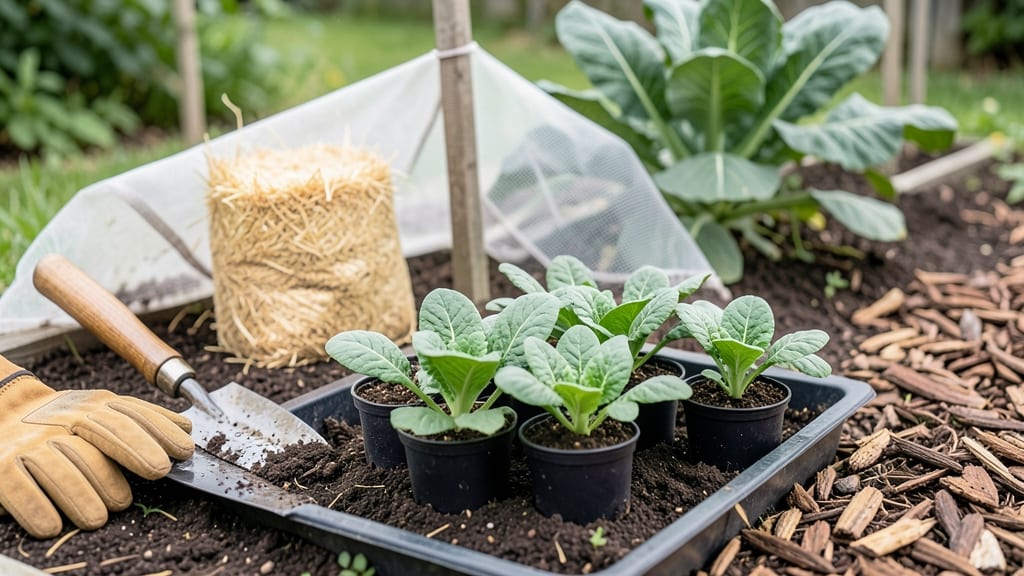
Planting collards in North Carolina at the wrong time can mean the difference between a thriving harvest and wasted effort. This cool-weather crop thrives when temperatures dip but can bolt in summer heat, making timing everything for gardeners in zones 7a-8b.
Whether you're in the Piedmont's milder winters or the Coastal Plain's frost-prone pockets, knowing when to plant ensures your 🥬 greens grow strong through fall and winter. Too early, and frost will nip tender seedlings; too late, and you'll miss the sweet spot for harvest.
I'll walk you through the exact windows for both spring and fall plantings, plus how to adjust for your specific microclimate. With these strategies, you'll avoid common mistakes and maximize your yield all season long.
Ready to grow collards that taste sweeter after frost? Let's get started with the perfect planting schedule for your North Carolina garden.
North Carolina’s collard planting zones: frost-free dates by region
North Carolina’s USDA Hardiness Zones 7a–8b create a patchwork of planting opportunities for collards. The Piedmont region (e.g., Raleigh, Greensboro) enjoys 200+ frost-free days, while the Coastal Plain (e.g., Wilmington, Fayetteville) faces earlier frosts due to coastal breezes.
Meanwhile, the Mountains (e.g., Asheville, Boone) have shorter growing seasons but milder winters. Understanding your last frost date is critical—plant too early, and frost will blacken your leaves; too late, and you’ll miss peak harvests.
For most of North Carolina, the average last frost date falls between mid-March and early April, depending on elevation and proximity to water. The first frost typically arrives in mid-November, though mountain areas can see frost as early as October.
These dates dictate your two main planting windows: early spring (for fall harvests) and late summer (for winter harvests).
Key frost-free dates by region: - Coastal Plain: Last frost March 15–April 1, first frost November 1–15 - Piedmont: Last frost March 20–April 5, first frost November 10–20 - Mountains: Last frost April 1–15, first frost October 15–November 1
| Region | Last Frost Date | First Frost Date | Planting Window | Harvest Window |
|---|---|---|---|---|
| Coastal Plain | March 15–April 1 | November 1–15 | March–April (spring) or August–September (fall) | May–June (spring) or October–December (fall) |
| Piedmont | March 20–April 5 | November 10–20 | March–April (spring) or August–September (fall) | June–July (spring) or October–January (fall) |
| Mountains | April 1–15 | October 15–November 1 | April–May (spring) or July–August (fall) | July–August (spring) or October–November (fall) |
Microclimates within these regions can shift your planting dates by 2–4 weeks. For example, urban heat islands in Raleigh or Charlotte may allow for earlier spring plantings, while valleys in the Mountains can experience frost weeks before surrounding areas.
Always check local weather records or use a frost calendar from your county extension office for precision.
To account for microclimates, I recommend planting a test row of collards 2–3 weeks before your official last frost date. Cover it with row fabric if nighttime temperatures dip below 40°F.
If the test row survives, you can safely plant your full garden. This method works especially well in Zone 7a areas where frosts are unpredictable.
Another critical factor is soil temperature. Collards thrive when soil reaches 55–65°F. In North Carolina, this typically aligns with mid-March in the Coastal Plain and early April in the Mountains.
Use a soil thermometer to verify—planting in cold soil slows germination and invites disease. If your soil is still chilly, wait another week or use black plastic mulch to warm it faster.
For gardeners in Zone 8b (e.g., southeastern NC), you can push the envelope by planting collards in late winter (February) for an early spring harvest. However, always have row covers ready to protect against unexpected late frosts.
Conversely, in Zone 7a, focus on late summer (August) plantings to ensure a harvest before the first frost.
Pro tip: Bookmark the NC State Extension’s frost date maps or use the Old Farmer’s Almanac for your specific county. These resources update annually and account for long-term climate trends. Armed with this data, you’ll avoid the heartbreak of frost-nipped collards and maximize your garden’s potential.
Remember, collards are cold-hardy down to 20°F, but they won’t tolerate frost while young. Plan your transplant schedule accordingly—aim to have mature plants (with 6–8 leaves) before temperatures drop below 32°F. This ensures your crop can withstand light frosts and even light freezes.
Optimal planting windows: when to sow for fall/winter harvests
For collards in North Carolina, timing is everything—aim for two planting windows: early spring and late summer. The key is planting when soil temperatures hit 55–65°F, giving your greens enough time to mature before frost.
In most of NC, this means March–April for spring and August–September for fall harvests.
Spring planting should start 4–6 weeks before your last frost date (typically mid-April in the Piedmont, later in the Mountains). For fall, sow seeds 80–90 days before the first frost (mid-November in most zones). This ensures your collards reach harvest size before winter sets in.
Here’s the breakdown of critical deadlines by region to avoid common mistakes like frost damage or missed harvests:
To extend your harvest season, use row covers or cold frames in frost-prone areas. These tools can push your planting window 2–4 weeks later in fall, giving you greens well into December. Just remove covers during the day to prevent overheating.
For transplanting, start seeds indoors 4–6 weeks before outdoor planting or buy young plants from nurseries. Harden off seedlings by placing them outdoors for 2–3 hours daily before transplanting to avoid shock. Space plants 12–18 inches apart in rows 24 inches apart for optimal airflow and growth.
Pro tip: If you miss the fall window, try a winter harvest by planting in late September with heavy mulch. Collards sweeten after frost, so a light freeze can enhance flavor—just protect them with straw mulch or row covers for extra insulation.