
Plants
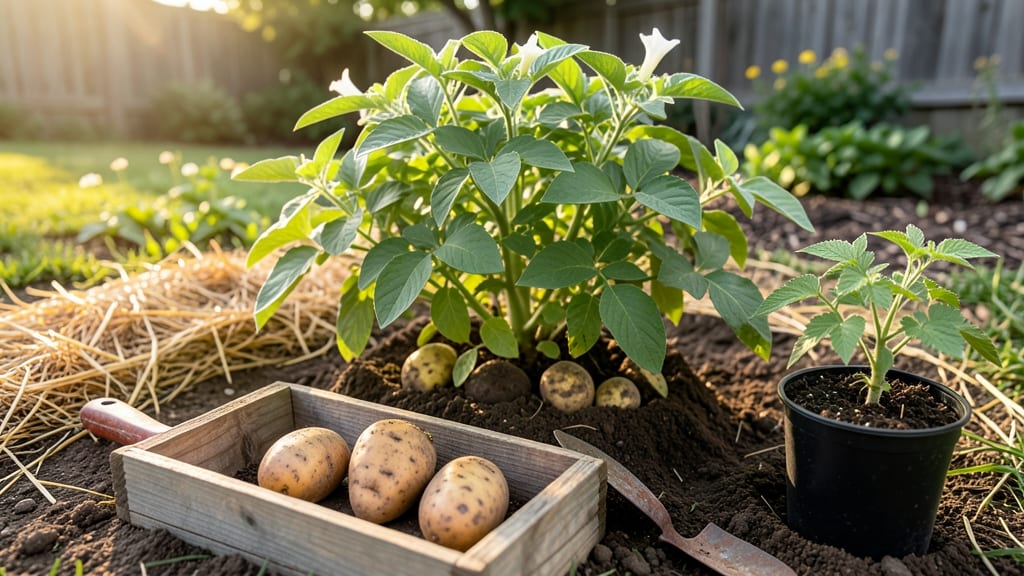
When can you plant the potatoes in Ohio? Timing your potato planting in Ohio isn't just about the calendar—it's about beating frost, avoiding blight, and giving your 🥔 the perfect start. With USDA Zone 6a's unpredictable springs, planting too early risks stunted growth, while waiting too long cuts your harvest short. The sweet spot? Early spring, when soil reaches 45°F and frost dates are just 4-6 weeks away.
Most Ohio gardeners swear by planting in March or early April, but local microclimates can shift that window by weeks. Late summer plantings for fall harvests are possible too—but only if you act by August to avoid early frosts.
The key? Knowing your last frost date and adjusting for Ohio's short 165-day growing season.
I'll show you exactly when to plant based on your zone, how to prep soil for maximum yields, and which varieties thrive in Ohio's climate.
Whether you're a first-time gardener or a seasoned pro, these tips will help you avoid common pitfalls like planting in cold soil or choosing the wrong variety.
Ready to dig in? Let's break down the precise planting timeline, soil prep secrets, and variety choices that will give you a bumper crop of homegrown potatoes—without the guesswork.
Ohio potato planting dates by USDA Zone 5b/6a: exact frost-free timeline
Ohio’s last spring frost typically arrives between mid-April and early May, depending on your exact location in USDA Zones 5b/6a. For spring planting, aim to get seed potatoes in the ground 4-6 weeks before that date—usually late February to early April.
This window ensures tubers sprout before soil warms to 45°F+, their ideal germination temperature.
Missed the spring window? Don’t worry—Ohio’s climate also supports late-summer planting (mid-July to early August) for a fall harvest before the first frost in mid-October. This method works best with early-maturing varieties like ‘Yukon Gold’ or ‘Red LaSoda’ to avoid stunted growth.
Here’s the critical rule: Never plant when soil temps drop below 45°F—cold soil causes rot and delays sprouting. Use a soil thermometer to confirm readiness, especially in Ohio’s northern regions where frost lingers longer.
Pro tip: Ohio’s microclimates vary wildly. Southern Ohio (e.g., Cincinnati) may see frost-free dates 2-3 weeks earlier than northern areas (e.g., Cleveland). Check your local Ohio State Extension frost maps for precision.
| Planting Window | USDA Zone 5b | USDA Zone 6a | Key Consideration |
|---|---|---|---|
| Spring Planting | Late February–Early April | Late March–Early May | Soil temp ≥45°F; avoid black fly risk |
| Fall Planting | Mid-July–Early August | Mid-July–Early August | Use early varieties; harvest before frost |
| Last Frost Date | Mid-April | Early May | Adjust planting 4-6 weeks prior |
| First Frost Date | Mid-October | Mid-October | Fall harvest must complete before this |
Ohio’s short growing season demands strategic planning. If you plant too early, cold soil triggers rot; if you wait too late, tubers won’t mature before blight sets in. For spring plantings, choose early-maturing varieties (60-90 days) to beat Ohio’s early blight risk, which peaks in June.
For fall plantings, prioritize disease-resistant varieties like ‘Kennebec’ or ‘Russet Burbank’ to withstand Ohio’s humid summers. Space rows 3 feet apart to improve airflow and reduce fungal pressure—a must in Ohio’s damp climate.
One Ohio-specific trick: Chit your seed potatoes 4-6 weeks before planting. Place them in a bright, cool spot (55-65°F) to encourage sprout growth. This head start compensates for Ohio’s unpredictable spring warmth and gives you a jump on the growing season.
Remember: Ohio’s black fly (a potato pest) emerges in early May. Planting before mid-April avoids their peak activity, while fall plantings miss them entirely. Time your harvest to finish before September to dodge late-season pests.
Finally, Ohio gardeners swear by straw mulch to regulate soil temps and prevent cracking. Apply it 2-3 weeks after planting to keep tubers cool and protect against Ohio’s temperature swings—a game-changer for consistent yields.
🌱
5 Signs your Ohio potato planting time is perfect (and 3 red flags to avoid)
Planting potatoes in Ohio isn’t just about checking a calendar—it’s about reading your soil, weather, and plant cues. Since Ohio’s USDA Zones 5b-6a experience late frosts and short growing seasons, timing matters more than most gardeners realize.
Miss the window, and you risk black leg disease or stunted tubers. But nail it, and you’ll enjoy crisp, homegrown potatoes by summer. Here’s how to tell when it’s truly time to plant.
First, soil temperature is your best friend. Potatoes thrive when soil reaches at least 45°F (7°C)—any colder, and growth slows to a crawl. Use a soil thermometer (or the old "barefoot test": if your skin feels warm after 10 seconds, it’s ready).
Planting in cold, wet soil invites rot and fungal diseases, so wait for that warm-up. Pro tip: In northern Ohio, aim for mid-April to early May for spring plantings.
Next, watch maple tree leaves—a classic Ohio gardener’s trick. When sugar maples unfurl their leaves (usually late April to early May), it’s a signal that soil temperatures are finally cooperating.
This natural cue aligns with Ohio’s average last frost date (around April 15 in Zone 6a). Pair this with a 10-day frost-free forecast, and you’ve got your green light.