
Flowers
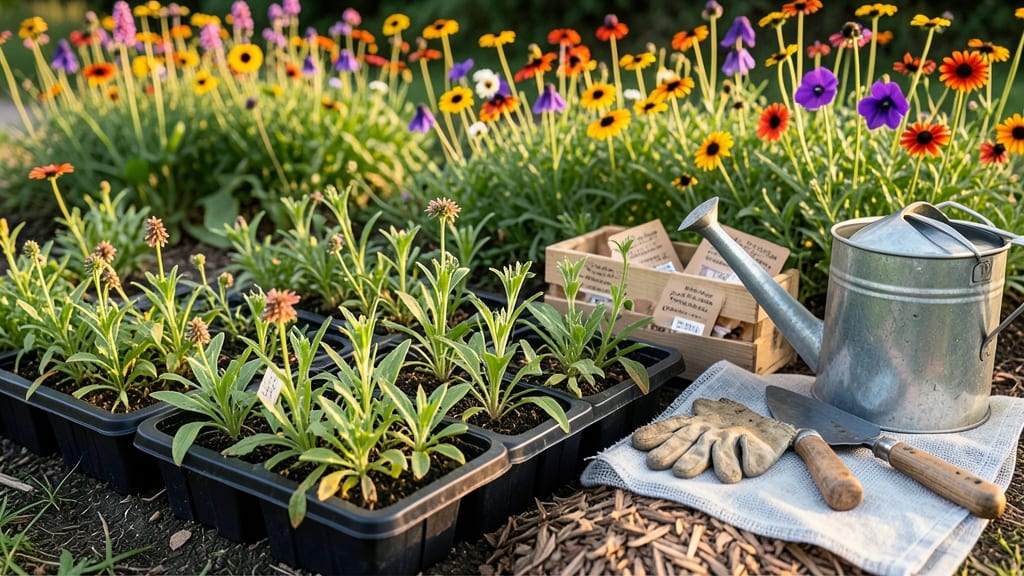
Timing your flower planting in Colorado can make the difference between a garden bursting with color and one that struggles to take root. With three distinct elevation zones—from Denver’s Front Range to the high-altitude mountains—knowing when to plant is key to success.
The state’s unpredictable weather, from late spring frosts to early mountain snows, means one-size-fits-all advice won’t work. Whether you’re in USDA Zone 5 or higher, understanding your local frost dates and microclimates is the first step to vibrant blooms.
I’ll break down the best planting windows for annuals, perennials, and bulbs across Colorado’s regions, so you can start seeds or transplant with confidence. Let’s get your garden thriving this season.
From the lowland plains to the high-altitude slopes, we’ll cover everything you need to know to plant at the perfect time—no guesswork required.
Colorado flower planting dates by elevation zone (2024 guide)
Colorado’s diverse elevations create three distinct planting zones: lowland (3,000–5,000 ft), midland (5,000–7,000 ft), and highland (7,000+ ft). Each zone has unique last frost dates and ideal planting windows.
For example, Denver (midland) typically sees its last frost around May 15, while Aspen (highland) may not be frost-free until June 10. Understanding these differences ensures your flowers thrive year-round.
Annuals like marigolds and zinnias can handle Colorado’s short growing season, but perennials such as coneflowers and lavender need precise timing to establish roots before winter. Even bulbs like tulips and daffodils have specific windows for planting in fall or spring, depending on your elevation.
Let’s break down the best months for each zone to help you plan your garden calendar.
Here’s a quick reference for frost-free dates by elevation:
| Zone | Elevation | Last Frost | First Frost | Best Planting Window |
|---|---|---|---|---|
| Lowland | 3,000–5,000 ft | April 20–May 5 | October 10–15 | April–June (annuals), September (bulbs) |
| Midland | 5,000–7,000 ft | May 1–15 | September 20–October 5 | May–June (annuals), August–September (bulbs) |
| Highland | 7,000+ ft | June 1–10 | September 1–15 | June–July (annuals), July–August (bulbs) |
For lowland areas like Fort Collins or Pueblo, you can start planting cool-season annuals like pansies as early as March. By contrast, highland gardens in Aspen or Leadville should wait until late May to avoid frost damage.
Perennials like black-eyed Susans and bee balm can be planted in early spring or fall, but they need at least 6–8 weeks to establish roots before winter.
Bulbs are a great way to add early color, but timing matters. In lowland zones, plant fall-blooming bulbs like tulips in September–October. In highland zones, wait until August to give them time to root before the first snow.
For spring-blooming bulbs like daffodils, plant them in October–November across all elevations.
If you’re unsure about your local frost dates, check the Colorado State University Extension or use a frost calendar app to tailor your planting schedule. Microclimates—like sunny south-facing slopes—can also shift your planting window by 2–4 weeks.
Always err on the side of caution and use row covers for early or late plantings.
For container gardening, you have more flexibility. Potted flowers can be moved indoors or to sheltered spots during late frosts. Just ensure they get enough sunlight and drainage to prevent root rot. Hardy varieties like petunias and geraniums are great choices for containers in Colorado’s climate.
Pro tip: Mark your calendar with local frost dates and adjust for 30-day safety margins. This gives your plants enough time to grow before unexpected cold snaps.
For example, if your last frost is May 15, plant heat-loving annuals like marigolds by May 1 to ensure they’re established before summer heat arrives.
Finally, don’t forget to mulch your garden beds in fall to protect roots from freezing temperatures. A 3-inch layer of straw or wood chips can make a
Top 5 flowers that thrive in Colorado’s harsh conditions (and when to plant them)
Colorado’s dry climate and temperature swings demand flowers that are tough, drought-resistant, and cold-hardy. These top 5 varieties will reward you with bold blooms while requiring minimal fuss. Each thrives in USDA Zones 5-8 and aligns with Colorado’s planting windows for maximum success.
First up is the Colorado Native Columbine (Aquilegia caerulea), a perennial wildflower that blooms from May to July. Plant seeds in early spring (March-April) or late summer (August) for fall blooms.
Its climbing habit and vibrant blue flowers attract hummingbirds and butterflies while surviving drought and poor soil.
The Rocky Mountain Penstemon (Penstemon strictus) is another drought-tolerant superstar with tubular red or purple flowers that bloom from June to August. Sow seeds in early spring (April) or divide established plants in early fall (September).
This low-water perennial thrives in full sun and well-draining soil, making it perfect for xeric gardens.
Colorado Native Columbine
📅 Planting Window: March-April or August
🌡️ Bloom Time: May-July
💧 Water Needs: Low (drought-tolerant)
✂️ Care Tip: Deadhead spent blooms
Rocky Mountain Penstemon
📅 Planting Window: April or September
🌡️ Bloom Time: June-August
💧 Water Needs: Very Low
✂️ Care Tip: Prune after blooming
Yarrow (Achillea millefolium)
📅 Planting Window: March-May or August-September
🌡️ Bloom Time: June-September
💧 Water Needs: Low to Moderate
✂️ Care Tip: Divide every 2-3 years
Blanket Flower (Gaillardia aristata)
📅 Planting Window: April-May or August
🌡️ Bloom Time: June-Frost
💧 Water Needs: Very Low
✂️ Care Tip: Self-seeds freely
Russian Sage (Perovskia atriplicifolia)
📅 Planting Window: April-May or September
🌡️ Bloom Time: July-September
💧 Water Needs: Extremely Low
✂️ Care Tip: Prune in early spring
For annual color, try Blanket Flower (Gaillardia aristata), which blooms from June until frost and thrives in full sun. Plant seeds in late April to early May or August for fall blooms. Its drought-resistant nature makes it ideal for Colorado’s dry summers.
Finally, Russian Sage (Perovskia atriplicifolia) is a silver-foliaged perennial with lavender-blue spikes that bloom from July to September. Plant in spring (April-May) or early fall (September). This low-water wonder attracts pollinators and thr