
Companion Plants
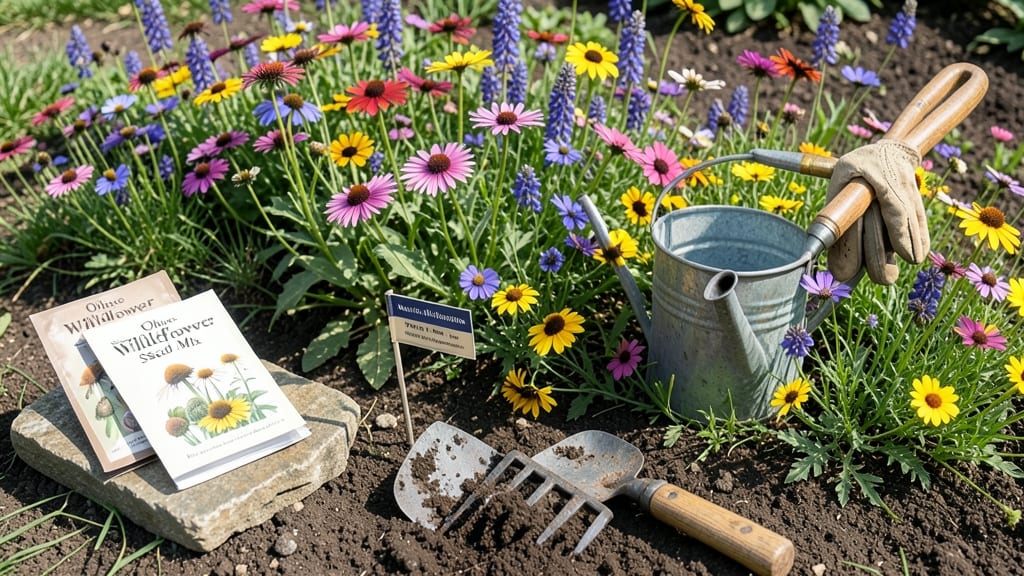
If you're asking "when can I plant wildflower seeds in Ohio", timing is everything—because those delicate 🌼 seeds won’t wait for you. Plant too early, and frost will turn your dreams into a sad, icy mess. Too late, and weeds will crowd out your future meadow.
Ohio’s USDA Zones 6a-6b give you a 6-month window, but the real magic happens between March and September—with spring being the sweet spot for most varieties.
Here’s the secret: Ohio’s microclimates—from the humid south to the windy Lake Erie shores—mean your neighbor’s perfect timing might be your disaster. We’ll break down the exact dates for your corner of the state, so you can skip the guesswork and start with confidence.
No more waiting until it’s too late or risking seeds that never sprout.
You’ll also discover why fall planting works for some wildflowers (like coreopsis) but not others, and how to prep your soil like a pro—because even the best seeds need the right home. Let’s turn your yard into a pollinator paradise without the trial-and-error headaches.
Ready to dive in? I’ll walk you through the step-by-step schedule, from soil temperature checks to post-planting care, so your wildflowers thrive from the get-go. No more second-guessing—just blooms.
Ohio’s wildflower planting zones: exact dates by microclimate
Ohio’s 5 distinct microclimates create wildly different conditions for wildflower success. From the Southern region’s longer frost-free seasons to the Lake Erie zone’s windy coastal challenges, timing your planting to match local frost dates and soil temperatures is critical.
Most Ohio wildflowers thrive when soil reaches 40-50°F—a threshold we’ll use to pinpoint your ideal planting window.
I’ve broken down the exact planting dates for each Ohio region, including adjustments for elevation changes in the Appalachian foothills. These dates account for both spring and fall planting opportunities, with special notes for USDA Zone 5b areas (like Northeast Ohio) that experience earlier frosts.
For all regions, late March to early May is prime for spring planting, while September to early October offers the best fall window. The key difference? Fall planting gives seeds a head start on root growth before winter, while spring planting avoids winter dormancy risks.
If you’re in Southern Ohio, you can start as early as mid-March when soil temperatures consistently reach 45°F. This region benefits from the longest growing season, allowing for two planting opportunities—spring and fall.
For Central Ohio, aim for late March to avoid late frosts that can damage tender seedlings.
Northern Ohio gardeners should wait until early April or risk frost damage. The Appalachian foothills present unique challenges due to elevation-driven temperature drops. Here, I recommend waiting until late April for spring planting, as mountain valleys can experience sudden frost events even after warm days.
For Lake Erie shores, the Great Lakes’ moderating effect creates a microclimate where soil warms more slowly. Plant 1-2 weeks earlier than inland Central Ohio locations to compensate. The wind also means lightly pressing seeds into soil is critical to prevent erosion before germination.
Regardless of your Ohio region, soil temperature is your best guide. Use a soil thermometer ($10 at garden centers) to verify conditions. Most wildflower seeds need consistent 40-50°F soil for 5-7 days before planting. If your soil is colder, wait—cold soil delays germination and increases rot risk.
One final tip: Native wildflowers like purple coneflower and black-eyed Susan adapt well to Ohio’s variable microclimates. These species germinate reliably in 45-50°F soil, making them ideal for beginner wildflower gardeners across all regions.
🌿
Spring vs. fall planting: which works best for Ohio wildflowers?
Ohio’s wildflowers thrive with the right planting timing, and the choice between spring and fall planting can make or break your meadow’s success. Each season offers unique advantages, from warmer soil in spring to reduced weed competition in fall.
Let’s break down the pros and cons so you can pick the best approach for your Ohio garden.
Spring planting (March–May) aligns with Ohio’s last frost dates, giving seeds a head start in warmer soil (ideal at 50–60°F). This method works especially well for tender perennials like black-eyed Susans and coneflowers, which need consistent moisture to germinate.
However, spring also means battling early weeds and unpredictable spring rains that can wash seeds away.
Spring Planting
✅ Pros
- Faster germination in warm soil
- Ideal for tender perennials like coreopsis
- Longer growing season for blooms
❌ Cons
- Higher weed competition risk
- Unpredictable spring rains may wash seeds
- Requires consistent watering during dry spells
Fall planting (September–October), on the other hand, lets seeds stratify naturally over winter, mimicking their natural growth cycle. This method reduces weed pressure and ensures seeds germinate early in spring.
Native species like purple coneflower and butterfly weed often perform best when sown in fall, as they benefit from Ohio’s cool, moist soil during dormancy.
For annual wildflowers like cosmos or sunflowers, spring planting is your best bet—they need warmth and sunlight to thrive. But for perennials that return year after year, fall planting often yields hardier, more established plants by their second season.
Think of it as giving your wildflowers a head start on life!
If you’re unsure, consider a split approach: sow half your seeds in spring and half in fall to extend your blooming season. Just remember—Ohio’s soil temperature and moisture levels are critical.
Use a soil thermometer to confirm 50°F+ soil before planting in spring, or wait until 6–8 weeks before first frost for fall sowing.
Pro tip: If you plant in late fall (November or later), cover seeds with a light mulch or straw to protect them from freeze-thaw cycles and winter winds. This simple step can boost germination rates by 30–50% in Ohio’s unpredictable climate. 🌱