
Companion Plants
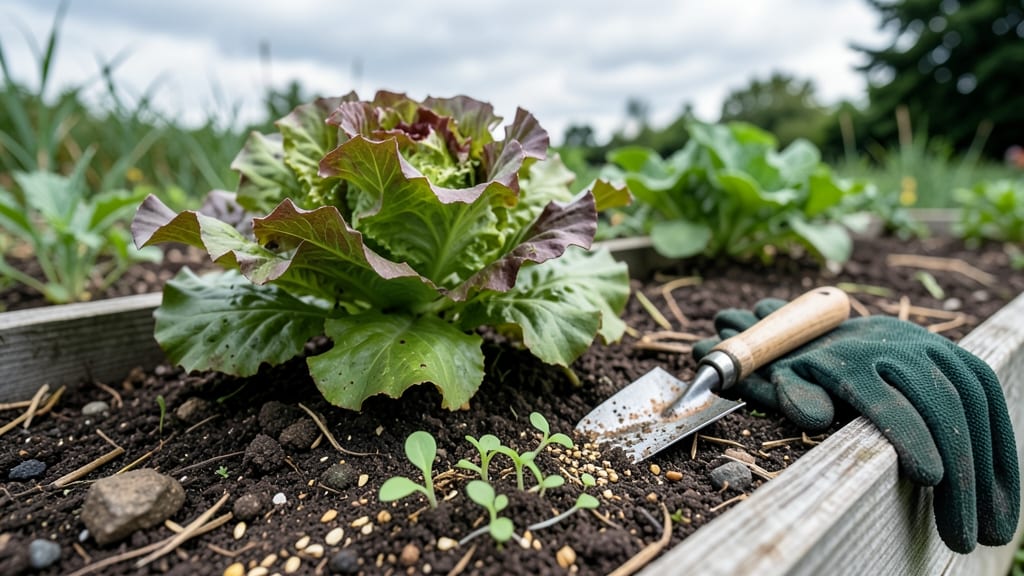
If you're asking "when can I plant lettuce in Zone 6", timing is everything—because getting it wrong means sad, bitter greens instead of crisp, sweet harvests.
Zone 6's unpredictable swings from frost to heat make lettuce a tricky but rewarding crop, and the difference between success and failure often comes down to planting in the right weeks.
Here's the secret: Lettuce thrives in cool weather, so your best bets are early spring (March-April) and late summer (August-September). Plant too early, and frost will nip your seedlings. Plant too late, and the heat will send your 🥬 bolting into flower stalks faster than you can say "wilted salad."
But with the right schedule—and a few smart tricks—you can enjoy fresh lettuce from late spring through fall.
I've grown lettuce in Zone 6 for years, and I'll show you exactly when to start seeds indoors or outdoors, how to stretch your harvest window with shade cloth, and which varieties handle summer heat best. No more guessing games—just crisp, bolt-free lettuce all season long.
Ready to transform your garden into a lettuce-growing powerhouse? Let's dive into the precise planting calendar that'll keep your greens happy from first frost to last harvest.
Zone 6 lettuce planting calendar: best weeks for spring and fall harvests
Timing is everything when growing lettuce in Zone 6. Plant too early, and frost will damage tender seedlings. Plant too late, and your greens will bolt—going straight to seed instead of staying sweet and crisp.
The key is knowing exact planting windows that align with your last frost date (April 15) and first frost (October 15) in Zone 6.
For Zone 6 gardeners, the best times to plant lettuce are during early spring (March-April) and late summer (August-September). These windows ensure cool soil temperatures and avoid the heat stress that triggers bolting.
Let’s break down the optimal weeks for each season, including heat-tolerant varieties that can stretch your harvest.
🌱 Did You Know? Lettuce grows best when soil temperatures stay below 75°F (24°C). Above that, most varieties bolt within weeks. That’s why timing your plantings around cooler months is critical.
| Season | Best Planting Weeks | Soil Temp | Harvest Window | Variety Tips |
|---|---|---|---|---|
| Early Spring | March 15 - April 15 | 40-60°F (4-15°C) | May - June | Buttercrunch, Romaine, Bibb |
| Late Summer | August 1 - September 15 | 50-65°F (10-18°C) | September - October | Black Seeded Simpson, Jericho |
| Fall Succession | September 15 - October 1 | 50-60°F (10-15°C) | October - November | Loose-leaf varieties |
🌿 Pro Tip: For a continuous harvest, stagger plantings every 2-3 weeks in spring and fall.
If you’re eager to start early, you can sow seeds indoors 4-6 weeks before your last frost date. Use grow lights or a sunny windowsill to keep seedlings strong until transplanting. Just be sure to harden off seedlings for 7-10 days before moving them outside to avoid shock.
For late summer plantings, focus on heat-tolerant varieties like 'Black Seeded Simpson' or 'Jericho'. These can handle slightly warmer soil temperatures (up to 70°F or 21°C) without bolting as quickly. Pair them with shade cloth (30-50%) to protect them from afternoon heat.
One common mistake is planting lettuce in mid-to-late summer when temperatures consistently exceed 75°F (24°C). Even heat-tolerant varieties struggle in these conditions. Instead, opt for shorter-day varieties or use row covers to keep plants cooler.
To maximize your harvest, consider succession planting every 2-3 weeks in spring and fall. This ensures a steady supply of fresh lettuce without overwhelming your garden at once.
For example, plant one batch in early March, another in mid-April, and a final batch in early September for a fall crop.
Always monitor your soil temperature with a soil thermometer. Lettuce roots thrive in cooler soils (50-65°F or 10-18°C). If your soil heats up too quickly, switch to shade-tolerant varieties like 'Oakleaf' or 'Lollo Rossa' and provide afternoon shade.
Finally, remember that Zone 6’s first frost typically arrives around October 15. If you have late-season lettuce still growing, protect it with row covers or cold frames to extend your harvest into early November.
With the right timing, you can enjoy fresh lettuce for nearly 6 months in Zone 6!
How to extend lettuce season in Zone 6: shade, mulch, and variety hacks
Summer heat in Zone 6 can turn your lettuce into bitter, bolted disappointment faster than you can say "salad." But don’t give up! With the right strategies, you can grow crisp, sweet lettuce even in the hottest months.
The key lies in shade solutions, mulching techniques, and choosing heat-tolerant varieties like 'Black Seeded Simpson' or 'Jericho.' These tricks help regulate soil temperature and moisture, keeping your greens happy until fall.
First, let’s talk shade cloth. A 30-50% shade cloth can reduce soil temperature by up to 10-15°F, making all the difference in summer. Pair it with mulch—straw or wood chips—to lock in moisture and keep roots cool.
Together, these methods create a microclimate perfect for lettuce, even when the afternoon sun feels scorching. I’ve even used old row covers for quick, budget-friendly shade in a pinch!
🌿
| Shade Solution | Best For | Pros | Cons |
|---|---|---|---|
| 30% Shade Cloth | Hot afternoons | Lightweight, easy to install | Limited coverage |
| 50% Shade Cloth | Full summer sun | Better temperature control | Reduces light for photosynthesis |
| Drip Irrigation + Mulch | Dry spells | Keeps soil moist, prevents bolting | Requires setup |
| Row Covers | Early/late season | Protects from pests, frost | Can trap too much heat |
Next, choose your lettuce varieties wisely. Heat-tolerant types like 'Black Seeded Simpson' or 'Jericho' can handle temperatures up to 80°F without bolting. For even better results, try succession planting every 2-3 weeks in late summer.
This ensures a steady supply of fresh greens as cooler fall weather arrives. I’ve had great luck with 'Romaine' in containers on my patio—it thrives with morning sun and afternoon shade.
Don’t forget about soil prep. Amend your beds with compost before planting to improve moisture retention. A thick layer of mulch (2-3 inches) will further protect roots from temperature swings.
In my garden, I’ve seen lettuce grow 30% longer in summer with these tweaks compared to unprotected plants. The difference is night and day!
Finally, water deeply in the morning to encourage strong root growth. Avoid overhead watering in the evening, as it promotes fungal diseases. With these strategies, you can enjoy crisp lettuce well into October or November in Zone 6—no bitter bolting in sight! 🥬