
Watering
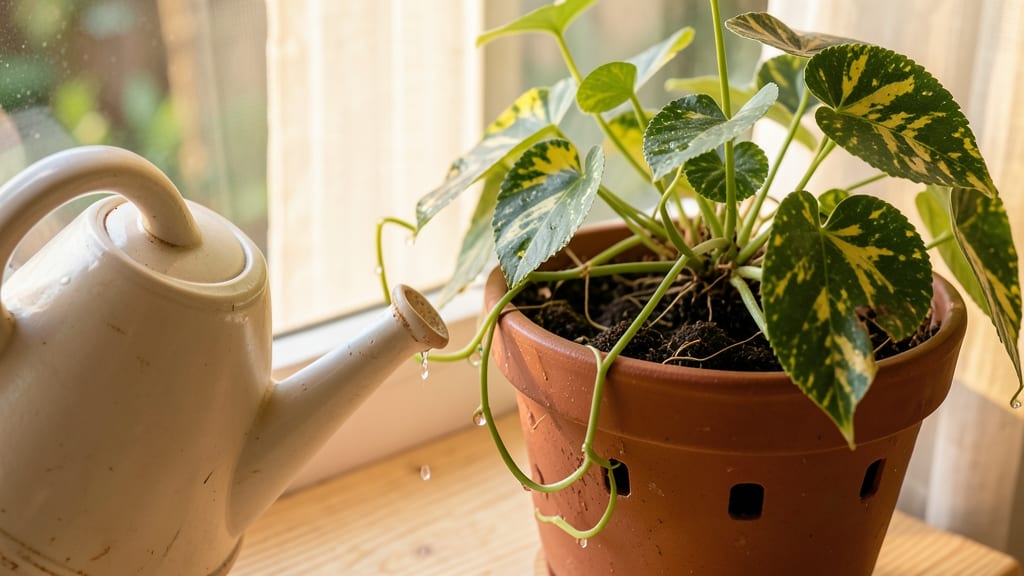
Figuring out how much water your money plant 💰 needs can feel like solving a mystery—one day it looks happy, the next it’s either wilting or sitting in soggy soil. The truth?
Most people either drown their Money Plant or let it dry out completely, and neither works. Here’s the game-changer: a simple, science-backed schedule that keeps your plant thriving without the guesswork.
Your Money Plant thrives on consistency, but its needs change with the seasons. In spring and summer, it might need a drink every 7-10 days, while fall and winter slow things down to every 2-3 weeks.
The key isn’t just how often you water—it’s how you check. Stick your finger an inch into the soil; if it’s dry, it’s time. If it’s still damp, wait a few more days.
Overwatering is the silent killer of Money Plants, but underwatering shows up in crispy leaves and droopy stems. I’ll walk you through the exact signs to watch for and how to fix them—plus, the tools (like moisture meters or DIY tests) that make this easier than ever.
No more second-guessing, just lush, happy growth.
Whether you’re a busy gardener or just starting out, this guide cuts through the confusion. You’ll learn how to adjust for humidity, light levels, and even travel—so your Money Plant stays perky no matter what life throws at you. Let’s get those roots happy and keep them that way.

How much water does a money plant need? The exact schedule by season
Your money plant (Pachira aquatica) thrives on a consistent but cautious watering routine. Unlike thirsty succulents, it prefers its soil to stay slightly moist—not soggy.
The key? Waiting until the top 1-2 inches of soil feel dry before watering again. This prevents root rot while keeping leaves lush and vibrant.
Most gardeners make two mistakes: either drowning their plants with daily water or letting them wilt from neglect. The solution? A seasonal schedule that adjusts for humidity, temperature, and light changes. Let’s break it down by season so you can water with confidence, not guesswork.
📌 Pro Tip: Always use a pot with drainage holes and a well-draining mix. If your money plant came in a decorative cache pot, place it inside a plastic nursery pot first to avoid waterlogging.
| Season | Watering Frequency | Soil Moisture Test | Water Amount | Best Time to Water |
|---|---|---|---|---|
| Spring | Every 7 days | Top 1-2 inches dry | 1 cup (250ml) | Morning (6-9 AM) |
| Summer | Every 5-7 days | Top 1 inch dry | 1-1.5 cups (250-375ml) | Evening (5-7 PM) |
| Fall | Every 10-14 days | Top 2 inches dry | 1 cup (250ml) | Morning (6-9 AM) |
| Winter | Every 14-21 days | Top 2-3 inches dry | 0.5-1 cup (125-250ml) | Morning (6-9 AM) |
Spring is your money plant’s growth explosion season. With longer days and warming temperatures, it drinks water faster. Water every 7 days in the morning to let excess moisture evaporate before nightfall. If your home has low humidity (common in winter-heated spaces), increase water slightly to every 5-6 days.
Summer demands the most attention. Your money plant may need water twice a week, especially if it’s in a south-facing window or near a heat source. Check soil moisture daily—if the top inch feels dry, water thoroughly. Avoid wet leaves to prevent fungal spots.
Fall slows growth as temperatures drop. Reduce watering to every 10-14 days, letting the soil dry more between sessions. This mimics its natural dormancy period. Overwatering now can lead to root rot, which is harder to reverse than underwatering.
Winter is your money plant’s resting phase. Cut back to watering every 3-4 weeks, or when the top 2-3 inches of soil are completely dry. Heated indoor air dries soil faster, so monitor closely. A humidifier nearby can help maintain moisture levels without overwatering.
💧 Watering Hack: Use your finger to test soil moisture. Push it 1 inch deep—if it feels dry, water. If damp, wait 2 more days. This beats guessing and keeps roots happy.
Your money plant’s pot size and material also affect water needs. Terracotta pots dry out faster than plastic, so terracotta plants may need water 2-3 days sooner.
Larger pots hold moisture longer—adjust your schedule accordingly. Always water until it drains from the bottom, then empty the saucer to prevent root suffocation.
How much water does a money plant need? The exact schedule by season
Your money plant (Pachira aquatica) thrives on consistency—too much water causes root rot, while too little leads to crispy leaves. The key is seasonal adjustments based on humidity, temperature, and soil dryness.
In spring and summer, your plant drinks more, while fall and winter demand patience. Let’s break it down by season so you never guess again.
Start by checking the top inch of soil with your finger. If it feels dry, it’s time to water. For potted money plants, this usually means every 7-10 days in warmer months.
But if your home is dry or your plant is in a small container, you may need to water every 5-7 days. The goal? Slightly moist soil—never soggy.
| Season | Watering Frequency | Soil Test | Water Amount |
|---|---|---|---|
| Spring | Every 7 days | Top 1" dry | 1 cup (250ml) |
| Summer | Every 5-7 days | Top 1" dry | 1-1.5 cups (250-375ml) |
| Fall | Every 10-14 days | Top 2" dry | 1 cup (250ml) |
| Winter | Every 14-21 days | Top 2-3" dry | 0.5-1 cup (125-250ml) |
In summer heat, your money plant may need extra water, especially if it’s in a south-facing window. Watch for drooping leaves—a classic sign of thirst. Water thoroughly until it drains from the bottom of the pot, then empty the saucer to prevent root suffocation.
In winter, reduce watering by half and let the soil dry out more between waterings.
Pro tip: Use a moisture meter or the "finger test" to avoid overwatering. Stick your finger 1 inch deep—if it feels damp, wait another day. Overwatering is the #1 reason money plants yellow and drop leaves, so when in doubt, underwater slightly.
Your plant’s leaves will tell you what it needs!
For container gardens, choose pots with drainage holes and use a well-draining mix (like cactus soil). If you’re unsure, repot into a terracotta container—it wicks away excess moisture faster than plastic.
And remember: morning watering is best. It gives roots time to absorb moisture before evening humidity sets in.
Adjust your schedule based on your home’s humidity levels. If your air is dry (like in winter with forced-air heating), water slightly more often. If it’s humid (like a bathroom or kitchen), space out waterings.
Your money plant will reward you with vibrant green leaves and steady growth when you nail this balance.