
Plants
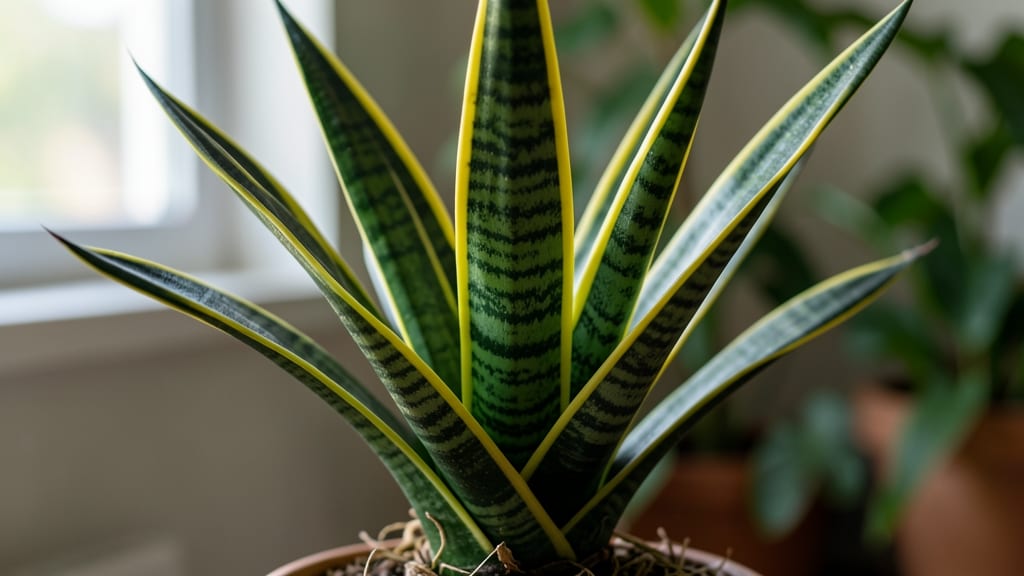
If you're wondering how tall does a snake plant grow, the answer might surprise you—these resilient 🌱 plants can range from a modest 12 inches to towering over 4 feet, depending on the variety and growing conditions.
Whether you're dreaming of a compact desk companion or a dramatic floor statement, understanding your snake plant's growth potential is key to placing it perfectly in your space.
The most common varieties, like the classic Sansevieria trifasciata, typically reach heights between 2 to 4 feet when mature, making them ideal for corner displays or floor arrangements. But don't let their size fool you—these plants grow at a surprisingly slow pace, so you won't see dramatic changes overnight.
For those with limited space, dwarf varieties like Hahnii (also called "bird's nest") stay under 12 inches, perfect for shelves or countertops.
What you might not realize is that light exposure plays a huge role in determining how tall your snake plant will grow. Too much direct sunlight can cause rapid vertical growth, while low light may stunt it.
The good news? With the right care, you can influence your plant's height—whether you want to keep it compact or let it stretch toward the ceiling.
Ready to learn how to manage your snake plant's growth and choose the perfect variety for your space? Let's dive into the details so you can create the ideal setup for your new green friend.


Snake plant height ranges by variety: compact vs. towering types
If you’ve ever wondered why your snake plant looks like a tiny bonsai while your friend’s stretches toward the ceiling, the answer lies in the variety. Snake plants (Sansevieria trifasciata and hybrids) come in dramatic height differences—from dwarf varieties under 12 inches to floor-filling giants over 5 feet.
Choosing the right cultivar can make all the difference for small apartments or grand living rooms.
The most compact snake plants, like Sansevieria 'Hahnii' (bird’s nest snake plant), max out around 12–18 inches tall but spread widely. Meanwhile, tall cultivars such as Sansevieria 'Futura Superba' or Sansevieria 'Moonshine' can reach 4–5 feet or more with proper care.
Even within the same species, growth habits vary wildly—some stay bushy while others grow like vertical spikes.
Here’s the key: light exposure and container size influence height, but genetics set the baseline. A dwarf variety will rarely exceed its mature range, while a tall cultivar can stretch taller in ideal conditions.
Let’s break down the most popular varieties by their mature height expectations so you can pick the perfect fit for your space.
| Variety | Mature Height | Growth Habit | Best For |
|---|---|---|---|
| Sansevieria 'Hahnii' | 12–18 inches | Bushy, rosette-forming | Tabletops, shelves |
| Sansevieria 'Futura Superba' | 3–4 feet | Tall, upright spikes | Corners, floor displays |
| Sansevieria 'Moonshine' | 2–3 feet | Medium, arching leaves | Bookshelves, desks |
| Sansevieria 'Black Gold' | 2–3 feet | Compact, dark foliage | Small spaces, offices |
| Sansevieria 'Laurentii' | 2–3 feet | Classic, yellow-edged | Living rooms, hallways |
| Sansevieria 'Twist' | 1.5–2.5 feet | Curved, twisted leaves | Desks, window sills |
| Sansevieria 'Zeylanica' | 1–2 feet | Dwarf, grass-like | Succulent gardens, terrariums |
| Sansevieria 'Golden Hahnii' | 12–18 inches | Bushy, variegated | Shelves, small tables |
| Sansevieria 'Whale Fin' | 4–5 feet | Tall, wide leaves | Large rooms, entryways |
| Sansevieria 'Cylindrica' | 3–4 feet | Cylindrical, upright | Floor plants, corners |
Note: Heights are approximate and can vary based on care conditions.
Notice how dwarf varieties like Hahnii or Zeylanica stay under 2 feet, making them ideal for shelves or desks. In contrast, floor-fillers like Futura Superba or Whale Fin demand space—think corners or large rooms.
Even within the same height range, growth habits differ: some snake plants grow upward like spikes, while others spread horizontally, creating a bushier look.
For indoor gardeners, height matters when planning placement. A 3-foot snake plant like Moonshine fits perfectly on a bookshelf or desk, while a 5-foot giant like Whale Fin needs floor space to shine.
If you’re working with limited vertical space, dwarf varieties are your best bet—but don’t underestimate their horizontal spread, which can reach 2–3 feet wide.
Outdoor snake plants, especially in USDA Zone 9–11, can grow even taller—some varieties like Sansevieria 'Futura Superba' may reach 5–6 feet in ideal conditions. However, they’re still drought-tolerant and thrive in low-light areas, making them versatile for both indoor and outdoor landscapes.
Pro tip: If you love a variety but worry about its height, pruning can help control growth. Simply trim the tallest leaves to encourage bushier, shorter growth. This works especially well for indoor snake plants that start to outgrow their space.
Ready to pick your perfect snake plant? Start by measuring your space and matching it to the mature height of the variety. Whether you want a tabletop mini or a floor-filling statement piece, there’s a snake plant size for every gardener’s needs.
Factors that control snake plant height: light, pot size, and pruning
Your snake plant’s height isn’t set in stone—it responds dramatically to its environment. The three biggest factors shaping growth are light exposure, container size, and pruning habits.
Let’s break down how each one works so you can steer your plant toward your ideal height, whether that’s a tall statement piece or a compact desk companion.
Light is the most powerful lever for height control. Snake plants grown in bright indirect light (like an east-facing window) tend to stay shorter and bushier, while those basking in direct sunlight can stretch dramatically—sometimes 2-3 feet taller than their low-light counterparts.
This isn’t just about height, though; leggy growth also signals pale, weak leaves that lose their striking variegation.