
Plants
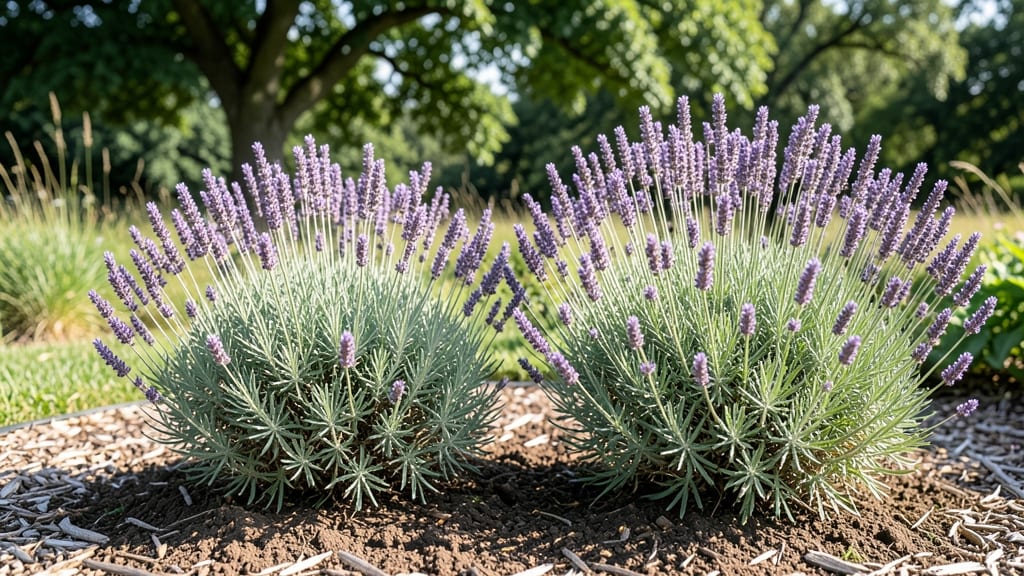
Have you ever wondered how tall a lavender plant can grow—because this fragrant beauty can transform from a 1-foot shrub to a 4-foot statement piece, depending on the variety and care you give it?
If you're planning a garden, this knowledge is your secret weapon. Whether you're dreaming of a low-maintenance border or a fragrant hedge, choosing the right lavender height will make all the difference.
Some varieties stay compact, perfect for small spaces, while others grow tall enough to create privacy or drama in your landscape.
But here's the catch: pruning plays a huge role in controlling lavender's height. Without proper trimming, even dwarf varieties can stretch beyond their ideal size. I'll show you exactly how to keep your lavender at the perfect height—whether you want it short and sweet or towering and lush.
Let's dive into the specifics so you can pick the perfect lavender for your space and keep it thriving year after year.


Lavender height by variety: compact dwarf to tall bush types
Lavender’s mature height varies dramatically by variety, offering options for every garden size—from tiny patio pots to sprawling hedges. The key to choosing the right type lies in understanding each variety’s growth habits and spacing needs.
For example, dwarf varieties like 'Hidcote' stay under 18 inches tall, making them perfect for container gardens, while tall varieties like 'Grosso' can reach 4 feet or more, ideal for privacy screens or borders.
Most lavender varieties fall into three height categories: dwarf (12–18 inches), semi-dwarf (18–24 inches), and standard (24–48 inches). Your choice depends on your garden’s layout, sunlight exposure, and how you plan to use the plant—whether as a fragrant border, a pollinator magnet, or a low-maintenance ground cover.
Let’s break down the most popular types and their ideal spacing for maximum fragrance and aesthetics.
🌱 Visual Growth Tip: Lavender grows best in well-draining soil and full sun (6+ hours daily). Poor drainage or shade can stunt growth, leading to leggy, weak stems that won’t reach their full height potential.
| Variety | Height Range | Spacing | Best For |
|---|---|---|---|
| English Lavender ('Munstead') | 2–3 ft | 18–24 in apart | Borders, pollinator gardens |
| French Lavender ('Grosso') | 3–4 ft | 24–36 in apart | Privacy screens, hedges |
| Spanish Lavender ('Papillon') | 1–2 ft | 12–18 in apart | Containers, rock gardens |
| Dwarf English ('Hidcote') | 12–18 in | 12 in apart | Patio pots, window boxes |
| Intermediate Lavender ('Provence') | 2–3 ft | 18–24 in apart | Mixed borders, fragrant pathways |
✅ Pro Tip: Always plant lavender in clumps of 3–5 for a fuller, more fragrant display.
When planning your lavender garden, consider the mature height and how it will interact with surrounding plants. For instance, 'Grosso' French lavender, which can hit 4 feet tall, thrives when planted in groups of 5–7 to create a dense, fragrant hedge.
In contrast, 'Hidcote' dwarf lavender, maxing out at 18 inches, is perfect for edging walkways or spilling over container edges.
Another critical factor is pruning habits. Regular pruning can keep even tall varieties like 'Grosso' at a manageable 2–3 feet if you trim back one-third of the growth after flowering. Without pruning, these varieties can become woody and leggy, losing their compact shape.
I’ve seen unpruned lavender reach 5 feet tall in just a few years—though it often sacrifices fragrance and density in the process.
For small spaces, prioritize varieties like 'Lavender Lady' (12–18 inches) or 'Anouk' (18–24 inches), which are bred for containers and still pack a punch with their intense scent.
These work beautifully on balconies, rooftop gardens, or windowsills where space is limited. Just ensure your containers have drainage holes—lavender hates soggy roots!
If you’re designing a large garden or privacy screen, opt for 'Grosso' or 'Provence', which can form a 4-foot-tall barrier when planted closely. Pair them with rosemary or thyme for a Mediterranean-inspired border that’s both functional and aromatic.
Just remember: taller lavender needs sturdier stems, so avoid heavy pruning in the first year to let the plant establish a strong root system.
One common mistake I see in gardens is overcrowding lavender. While it’s true that lavender spreads slowly, planting it too closely can lead to competition for nutrients and poor airflow, increasing the risk of fungal diseases.
Stick to the spacing guidelines in the table above, and you’ll avoid this pitfall entirely. For example, 'Munstead' English lavender should have 18–24 inches between plants to allow for airflow and prevent mildew.
Finally, don’t forget that lavender height varies by climate. In warmer, sunnier regions (USDA Zones 7–10), lavender tends to grow taller and bushier, while in cooler climates (Zones 5–6), it may stay shorter and more compact.
If you’re in a cooler zone, choose hardier varieties like 'Munstead' or 'Hidcote', which handle winter better and still deliver stunning blooms.
🌿 Whether you’re aiming for a tiny patio pot or a room-dividing hedge, selecting the right lavender variety based on height is the first step to a fragrant
Lavender height by variety: compact dwarf to tall bush types
Lavender's mature height varies dramatically by variety, so choosing the right type for your space is essential. Dwarf varieties like 'Hidcote' stay under 1.5 feet tall, making them perfect for window boxes or small gardens, while tall varieties like 'Grosso' can reach 4 feet or more—ideal for privacy screens or fragrant hedges.
Most gardeners plant lavender expecting a 2-3 foot shrub, but without proper spacing or pruning, even compact types can sprawl. French lavender varieties often top out at 2-3 feet, while English lavender tends to be slightly shorter at 1.5-2.5 feet.
Understanding these differences helps you plan for both aesthetics and airflow.
Here’s how popular lavender varieties compare in height and spacing needs:
| Variety | Mature Height | Spacing | Best For |
|---|---|---|---|
| Hidcote (Dwarf) | 12–18" | 12" | Containers, borders |
| Munstead (English) | 18–24" | 18" | Small gardens, hedges |
| Grosso (French) | 36–48" | 36" | Privacy screens, borders |
| Provins (Spanish) | 24–36" | 24" | Mediterranean-style gardens |
When planting, always space lavender at least 12 inches apart—even dwarf varieties—to ensure proper airflow and prevent fungal diseases. Tall varieties like 'Grosso' need 3 feet of space to avoid overcrowding, which can lead to leggy growth or weak stems.
For container gardening, choose dwarf varieties like 'Hidcote' or 'Mini Blue' and use pots with drainage holes to prevent root rot. Even in containers, lavender can grow 1-2 feet taller than expected if pruned improperly, so regular trimming is key to maintaining compact forms.
Pro tip: Mulch around lavender with gravel or pebbles to improve drainage and discourage weeds, which helps plants focus energy on vertical growth rather than competing with surrounding vegetation.