
Plants
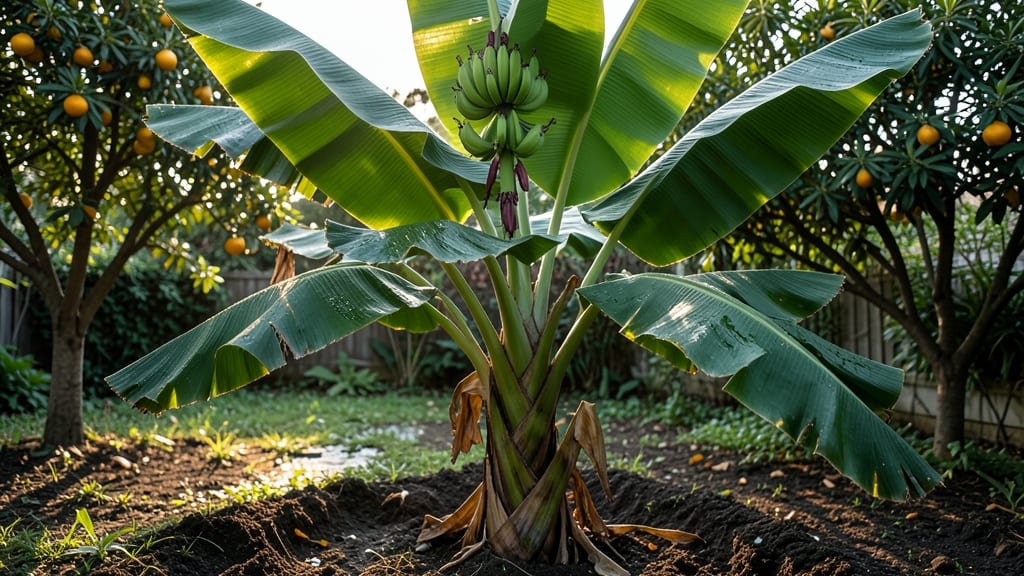
If you’ve ever wondered how tall does a banana plant grow, the answer might surprise you—some varieties stretch toward the sky like a tropical skyscraper, while others stay manageable for containers. 🍌 Whether you’re dreaming of a lush backyard harvest or a compact houseplant, knowing your banana’s mature height is the first step to planning its perfect home.
Banana plants aren’t trees at all—they’re giant herbaceous plants with pseudostems that can reach 15 to 25 feet in ideal conditions, but dwarf varieties like the Lady Finger stay shorter (though still impressive).
The key to their height lies in climate, care, and variety, which means your growing strategy could make all the difference between a towering giant and a tidy backyard addition.
Let’s break down the height ranges by popular varieties, from the dwarf Cavendish (a favorite for small spaces) to the Red Dacca (a dramatic 20+ footer). You’ll also discover how sunlight, water, and pruning can influence growth—because even the tallest banana plants need the right support to thrive.
Ready to turn your space into a banana haven? I’ll walk you through everything you need to know to choose the right variety, manage its size, and avoid common mistakes that turn your tropical dream into a jungle mess.


Banana plant height ranges by popular varieties (from dwarf to giant)
Banana plants aren’t trees—they’re giant herbaceous plants with pseudostems that can reach staggering heights. The mature size varies dramatically by variety, from 6-foot container-friendly types to 25-foot giants that need space like a two-story building.
Choosing the right variety for your space is key, especially if you’re limited by garden size or urban living constraints.
Most backyard growers opt for standard varieties like Cavendish, which typically grow 15-20 feet tall and produce the bananas you’d find in grocery stores. However, tropical enthusiasts often experiment with taller, exotic varieties like Red Dacca, which can soar to 25 feet or more.
Even in small spaces, small-fruited varieties like Lady Finger offer a more manageable height while still delivering delicious fruit.
📊 Here’s how banana plant heights compare across popular varieties:
| Variety | Mature Height | Growth Speed | Best For |
|---|---|---|---|
| Dwarf Cavendish | 10-12 ft | Moderate (12-18 months to fruit) | Containers, small gardens, urban yards |
| Lady Finger (Finger Banana) | 12-15 ft | Fast (9-12 months to fruit) | Small spaces, tropical landscapes |
| Cavendish (Supermarket Banana) | 15-20 ft | Moderate (12-18 months) | Backyards, rural gardens |
| Red Dacca | 20-25 ft | Slow (18-24 months) | Large estates, tropical climates |
| Grand Nain (Giant Cavendish) | 18-22 ft | Fast (12-15 months) | Commercial growers, large gardens |
The Lady Finger variety is often mistaken for a true dwarf, but even it can reach 12-15 feet—still manageable with proper support.
Meanwhile, Red Dacca and Grand Nain are the giants of the banana world, requiring ample space and sturdy support to prevent stem collapse under the weight of their massive fruit bunches.
If you’re growing bananas in containers, stick to Dwarf Cavendish or Lady Finger varieties. These can thrive in 15-20 gallon pots with proper drainage, though they’ll still need a sunny, sheltered spot and regular watering to mimic tropical conditions.
Just remember: even "dwarf" varieties will outgrow most patios if left unchecked!
Another critical factor is climate compatibility. Tropical varieties like Red Dacca thrive in USDA zones 10-12 but will struggle—or die—if exposed to frost. In colder zones, opt for hardier varieties like Bluggoe or Ice Cream Banana, which tolerate slightly cooler temperatures and shorter growing seasons.
Don’t let height scare you off—banana plants are fast growers once established, and their tropical foliage adds dramatic beauty to any garden. With the right variety and care, you can enjoy homegrown bananas while keeping your space both functional and stunning. Just plan ahead for their mature size!
🌱
How to control banana plant height: pruning, support, and variety selection
Banana plants can grow 15-25 feet tall in ideal conditions, but their height isn’t always inevitable. With the right techniques, you can manage their growth—whether you want a compact plant for containers or simply prevent them from towering over your patio.
The key lies in pruning, support systems, and smart variety selection, all of which I’ll break down for you.
First, let’s address a common misconception: banana plants aren’t trees. They’re herbaceous plants with pseudostems, meaning they grow from the ground up without woody trunks.
This makes them highly responsive to pruning and support, unlike true trees. By understanding their growth habits, you can guide their height while maximizing fruit production.
If you’re growing bananas in a small space or container, your best bet is to choose smaller-fruited varieties like ‘Lady Finger’ or ‘Red Dacca’. These varieties naturally stay shorter (10-15 feet) and are ideal for patios or balconies.
For larger varieties like ‘Cavendish’ or ‘Grand Nain’, you’ll need to provide support and prune strategically to prevent them from becoming unmanageable.
Support systems are a game-changer for height control. Use bamboo stakes, wooden posts, or trellises to guide the plant’s growth.
Install supports early in the season (when the pseudostem is about 3-4 feet tall) and tie the leaves to the stakes with soft plant ties or old fabric strips.
This not only prevents toppling but also improves air circulation, reducing the risk of fungal diseases like black sigatoka.
Pruning isn’t just about cutting back height—it’s also about encouraging stronger growth. After your banana plant fruits and dies back, you can remove the old pseudostem down to the ground.
This may seem drastic, but it stimulates new suckers (pups) to grow from the base. Choose 1-2 of the healthiest pups to replace the old plant, ensuring a continuous harvest cycle.
For container-grown bananas, height control is even more critical. Use large pots (at least 20+ gallons) with dwarf varieties and prune aggressively to keep the plant under 6-8 feet.
In containers, bananas also benefit from regular root pruning—gently trim the roots when repotting to encourage bushier growth and prevent the plant from becoming top-heavy.