
Plants
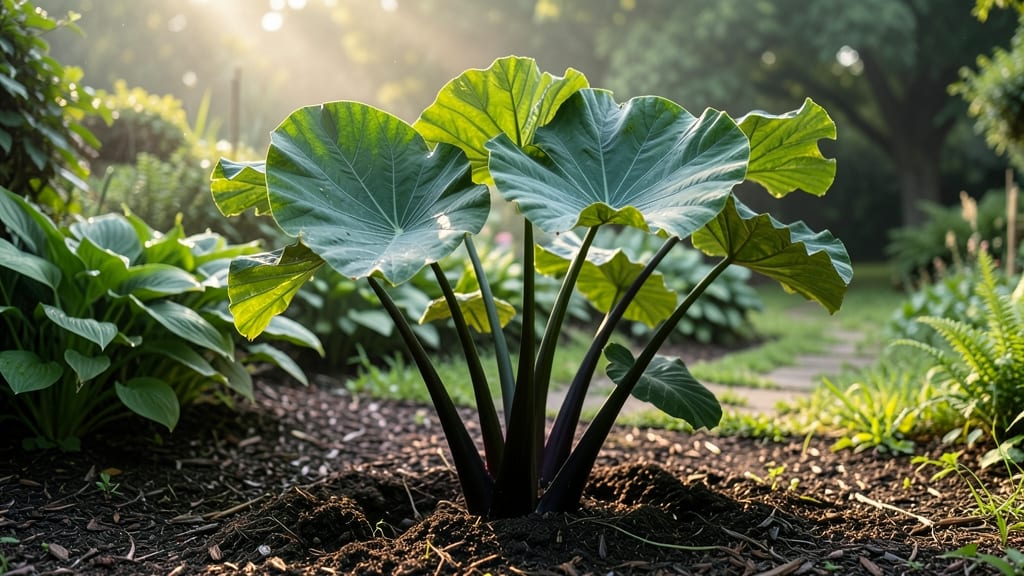
If you're wondering how much light does an elephant ear plant need, the answer might surprise you—these tropical beauties 🌿 actually prefer bright, indirect sunlight over harsh direct rays. Too much sun can scorch their lush leaves, while too little leaves them weak and leggy.
Let me show you how to strike the perfect balance for stunning foliage that lasts all season.
Elephant ears thrive in partial shade, meaning they need protection from the midday sun, especially in hot climates like Zone 6a. Think of them as sunbathers who prefer a beach umbrella over full exposure. Morning sunlight is ideal, while afternoon shade keeps their leaves vibrant and healthy.
You might be tempted to tuck them in deep shade, but that’s a mistake—these plants still crave light to fuel their dramatic growth. The key is finding that sweet spot where they get enough brightness without burning.
I’ll break down exactly how to spot the perfect location, whether you’re growing them outdoors or bringing them inside.
Ready to transform your garden or patio into a lush, tropical oasis? Let’s dive into the simple tricks that’ll keep your elephant ears thriving—no guesswork required. Your plants (and your neighbors) will thank you!


Optimal light requirements for elephant ear plants: partial sun vs. partial shade
Elephant ear plants (Colocasia) love bright, indirect light—think of them as tropical divas who hate harsh afternoon sun but crave plenty of natural glow. The ideal light range is 6-8 hours of bright, indirect sunlight daily, which mimics their native understory habitats.
This means morning sun with afternoon shade works best for most varieties, especially in hot climates where direct sun can cause leaf scorch or brown tips.
For outdoor gardens, position your elephant ears where they’ll get dappled sunlight—like under a light canopy or near trees with sparse branches. In containers, place them on patios or decks where they’ll receive filtered sunlight through sheer curtains or lattice screens.
Avoid placing them in full sun (especially in zones 7-10), as this can lead to yellowing leaves or wilting foliage within weeks.
Indoor growers should aim for east-facing windows, where morning light is gentle but abundant. If your space only has south-facing windows, use sheer curtains to diffuse the intensity.
A grow light (like a full-spectrum LED) can supplement if natural light falls short, but avoid keeping them under bright artificial lights for more than 12 hours daily—they need periods of rest too.
Here’s how to spot light-related stress in your plants:
- Too little light: Leggy stems, pale leaves, slow growth
- Too much light: Crispy brown edges, bleached patches, drooping leaves
🌿
In hot climates (zones 8-10), even morning sun can be intense, so consider providing afternoon shade with a lightweight shade cloth (30-50% block).
For cooler climates (zones 5-7), they can tolerate more direct light, especially in spring and fall when the sun is lower in the sky.
If you’re growing dwarf varieties like Colocasia ‘Black Stem’, they’re slightly more forgiving of lower light conditions but still prefer bright indirect light for vibrant foliage.
Pro tip: Rotate your container-grown elephant ears every 2-3 weeks to ensure even light exposure on all sides. This prevents lopsided growth and helps the plant develop fuller, more symmetrical leaves.
If you notice new growth leaning toward the light, it’s a clear sign they need to be repositioned for balanced light exposure.
For indoor plants, supplement with a grow light if natural light is insufficient. A simple LED bulb placed 12-18 inches above the plant for 12-14 hours daily can mimic outdoor conditions. Just avoid placing the light too close—heat stress can be as damaging as light stress!
🪴
Optimal light requirements for elephant ear plants: partial sun vs. partial shade
Elephant ear plants (Colocasia) love bright, indirect sunlight—think of them as tropical divas who hate harsh afternoon rays. In their natural habitat, they grow under the dappled shade of rainforest canopies, so recreating that environment is key.
For outdoor gardens, aim for 4-6 hours of morning sun followed by afternoon shade, especially in hot climates like Zones 7-10. This balance prevents leaf scorch while keeping their foliage vibrant and glossy.
If you’re growing elephant ears in containers, they’ll need even more protection from direct sun. A spot under a patio awning or near a north-facing window works perfectly. For indoor plants, avoid placing them in south-facing windows where intense midday sun can bleach their leaves.
Instead, position them 6-10 feet away from an east or west-facing window to mimic their ideal light conditions.
| Light Condition | Hours of Sun | Best For | Signs of Stress |
|---|---|---|---|
| Partial Sun | 4-6 hours (morning only) | Outdoor beds, containers | Brown leaf tips, crispy edges |
| Partial Shade | 2-4 hours (dappled light) | Indoor spaces, hot climates | Leggy growth, pale leaves |
| Full Shade | <2 hours | Basements, north windows | Stunted growth, weak stems |
Watch for telltale signs your elephant ears aren’t getting the right light. Too much sun? You’ll see crispy, brown edges on leaves and a dull sheen. Too little light? Expect pale, leggy stems and leaves that stretch toward the nearest light source.
In hot, dry climates (like Arizona or Southern California), even morning sun can be too intense, so consider sheer fabric shade cloth (30-50% coverage) to diffuse the light gently.
For indoor growers, supplement natural light with a full-spectrum LED grow light (12-14 hours/day) if your space lacks bright windows. Place the light 12-18 inches above the plant and adjust as it grows.
Rotate the pot quarter-turns weekly to ensure even light exposure and prevent lopsided foliage. This mimics the natural rotation of sunlight in their tropical homeland.
Pro tip: Rotate your containers every few weeks to encourage balanced growth. Elephant ears are heavy feeders, but they’ll reward you with bold, arrow-shaped leaves when given the right light.
If your plants start looking weak or stretched, it’s time to move them to a brighter spot—but never into harsh afternoon sun. Think of it as sunbathing with SPF: gradual and protected.
In cooler climates (Zones 5-6), you can push their light tolerance slightly. They’ll handle more morning sun in spring and early summer, but reduce exposure in late afternoon as temperatures rise.
Mulch around the base with organic matter (like shredded leaves) to help regulate soil temperature and retain moisture—another key factor in their light requirements.