
Plants
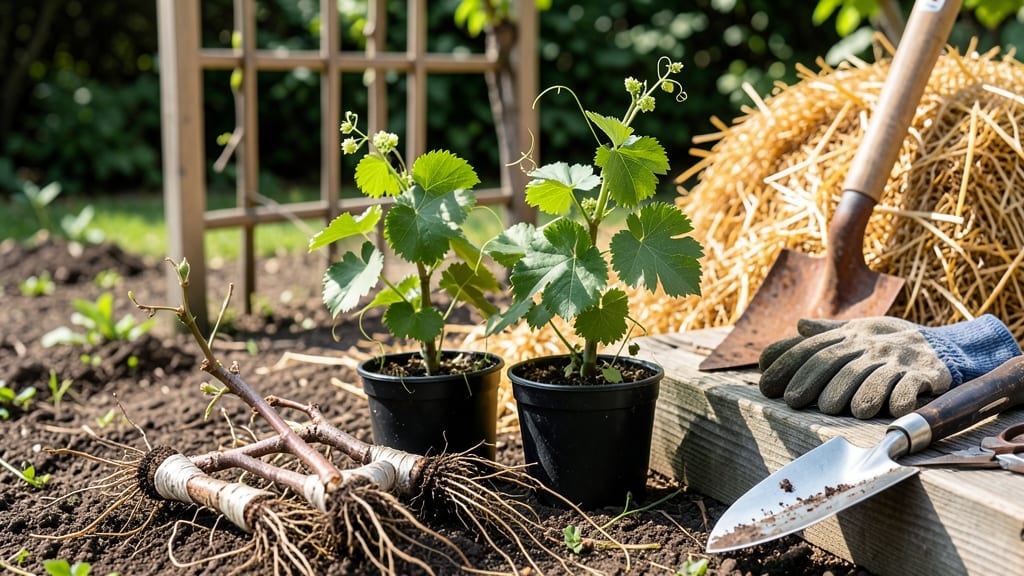
Timing your 🍇 grape planting in Colorado isn’t just about the calendar—it’s about outsmarting the mountain’s unpredictable frost and heat swings. Plant too early in USDA Zones 5-7, and a late frost could wipe out your vines before they sprout.
Wait too long, and your grapes might struggle to establish roots before winter sets in.
Most Colorado gardeners swear by April-May for spring planting, once the soil warms and the last frost has passed (usually around April 15, though elevation changes everything). But did you know fall planting—between September and October—can give your grapes a head start?
The key is understanding your microclimate, whether you’re in Denver’s urban heat island or the cooler high plains.
I’ve helped Colorado growers avoid these common pitfalls by mapping out the exact deadlines for each zone, including how to adjust for early springs or late frosts.
You’ll learn which cold-hardy varieties thrive here (hint: Concord and Frontenac are local favorites) and how to protect young vines from wind and hail—two of Colorado’s biggest grape-growing challenges.
Ready to turn your backyard into a vineyard? Let’s break down the step-by-step planting schedule that’ll have you harvesting sweet, sun-ripened grapes by August or September—no guesswork required.
Colorado’s best grapes planting deadlines by USDA Zone (with frost risk maps)
Colorado’s USDA Zones 4-8 create a tricky puzzle for grape growers. The last frost date can vary by 10-14 days between Denver and Grand Junction, making timing everything. Plant too early in Zone 4, and a late frost will kill young vines.
Plant too late in Zone 7, and your harvest may suffer from summer heat stress.
Most Colorado gardeners should aim for mid-April to early May for spring planting, but your exact deadline depends on elevation and microclimate.
For example, Fort Collins (Zone 5) has a last frost average of April 20, while Colorado Springs (Zone 6) typically sees its final freeze around April 25. Fall planting is also viable in Zones 6-8, with a September 15-October 1 window.
To simplify, I’ve created a frost-risk comparison table below that breaks down planting deadlines by zone, including microclimate adjustments for urban vs. rural areas. This will help you avoid the most common timing mistakes that derail Colorado grape harvests.
For Zone 4 growers, I recommend sticking to bare-root vines planted in late spring (after May 15) and choosing cold-hardy varieties like Valiant or Marquette. These grapes can tolerate -20°F temperatures, giving you a buffer against late frosts.
In Zones 6-7, you’ll have more flexibility with container-grown vines planted in fall, which establishes roots before winter.
How to extend Colorado’s short growing season for grapes (pro tips for cold-hardy varieties)
Colorado’s cool nights and late frosts can challenge grape growers, but with the right strategies, you can protect your vines and extend the growing season. The key is choosing cold-hardy varieties and using protective techniques to shield young plants from unexpected temperature drops.
I’ve grown grapes successfully in Zone 5 by combining variety selection with seasonal adjustments.
First, focus on cold-resistant grape varieties like Concord, Frontenac, or Valiant, which tolerate temperatures down to -20°F. These varieties thrive in Colorado’s climate because they’re bred to handle early springs and late frosts.
Pair them with seasonal protection to give your vines the best chance of survival.
🍇 Cold-Hardy Grape Varieties for Colorado: Concord (Zone 4-9), Frontenac (Zone 3-8), Valiant (Zone 4-8), Marquette (Zone 3-8), Bacchus (Zone 4-8). These varieties are your best bet for reliable harvests in Colorado’s unpredictable climate.
For spring planting, wait until after the last frost date (typically mid-April in most of Colorado) but be ready to cover young vines if nighttime temperatures dip below 40°F.
I’ve used frost cloths wrapped around vines in Denver’s urban gardens with great success—just secure the cloth loosely to allow airflow and prevent moisture buildup.
In high-altitude areas like Boulder or Fort Collins, where frosts linger longer, consider fall planting (late September) for container-grown vines. This gives roots time to establish before winter, and the mulch layer you add in fall will protect them through early spring.
I’ve seen Frontenac grapes planted this way thrive in Zone 5 with minimal winter damage.
Don’t overlook the power of microclimates. A south-facing slope or a protected garden nook can add 2-3 weeks to your growing season. For example, Grand Junction’s Zone 7 climate allows for earlier planting (as early as March) compared to Zone 4 areas like Steamboat Springs.
Always check your local frost maps and adjust planting dates accordingly.
Finally, monitor your vines closely during flowering and fruiting stages (June-July), as these are the most vulnerable periods.
If a heatwave follows a cold snap, your grapes may struggle. Shade cloth can help regulate temperatures during peak summer heat, while drip irrigation ensures consistent moisture levels—critical for fruit development.