
Plants
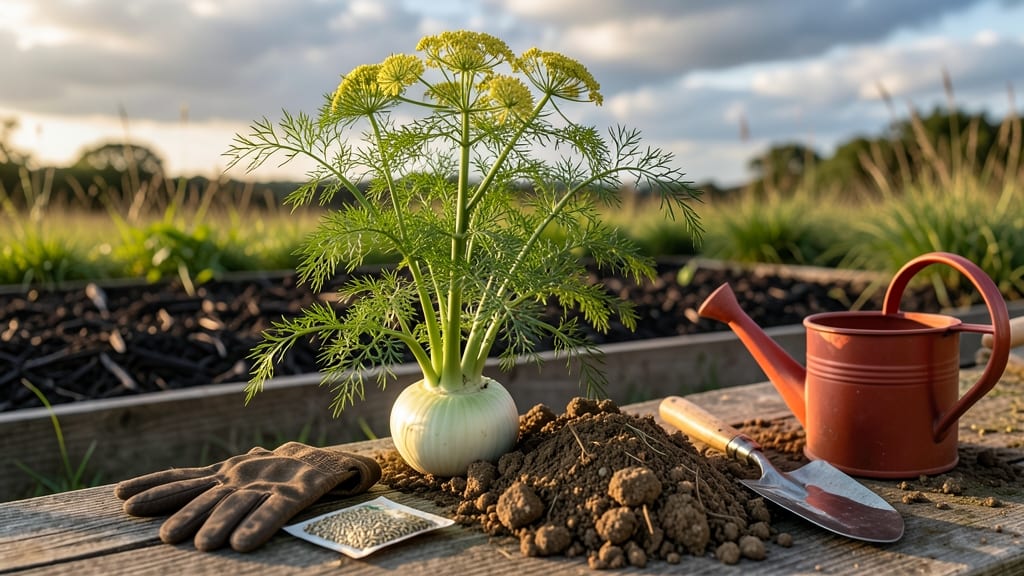
If you’ve ever planted fennel 🌿 in Zone 9 and ended up with bitter stalks or wilted leaves, timing might be the culprit.
Getting the exact weeks right for planting fennel in Zone 9 is the difference between a thriving herb garden and a disappointing one—especially when summer heat can stress young plants.
Zone 9’s mild winters and long growing season give you flexibility, but fennel has specific needs. Plant too early, and you risk bolting before harvest; too late, and the summer sun can stunt growth. The key is knowing when to start seeds indoors or sow directly for the best results.
In this guide, I’ll break down the exact weeks before your first frost to plant fennel, whether you’re going for spring or fall harvests. You’ll also discover how to work with your local climate—like avoiding the 90°F+ heat that can turn your fennel into a sad, leggy mess.
Ready to grow fennel that’s crisp, flavorful, and ready to harvest by April-July? Let’s dive into the timing secrets that’ll make your garden the envy of the neighborhood.
Optimal fennel planting weeks before first frost in Zone 9
Zone 9’s mild winters and long growing season (260–280 frost-free days) create a perfect window for fennel, but timing is everything. Plant too early, and your fennel may bolt prematurely—sending up flower stalks before you harvest those crisp bulbs.
Plant too late, and summer’s 90°F+ heat can stress seedlings, stunting growth. The key? Calculating 10–12 weeks before your first frost (which in Zone 9 is rare but possible in January for high desert areas).
For most of Zone 9, this means late winter to early spring (January–March) for direct sowing. If you’re using transplants, aim for 8–10 weeks before frost—typically February to early April.
Coastal areas with cooler microclimates can push planting slightly later, while inland regions should start earlier to avoid summer heat stress.
Fennel’s slow germination (10–21 days) and delicate roots mean transplants are risky, so I recommend direct sowing for best results. Start seeds indoors 6–8 weeks before your target outdoor date if you must transplant, but be gentle—fennel’s taproot hates disturbance.
Here’s the golden rule: Count backward from your first frost date (January 1 for most of Zone 9) and plant fennel seeds 10–12 weeks prior.
For example, if your frost date is January 1, aim to sow seeds by mid-October for fall crops or late December to early February for spring harvests. This timing ensures bulbs mature before summer’s heat peaks.
Zone 9’s microclimates complicate things. Coastal areas like San Diego or Santa Barbara can plant fennel 2–3 weeks later than inland zones like Phoenix or Las Vegas, where summer heat arrives earlier. Use your local USDA Zone 9b frost data as your guide.
Pro tip: Succession plant every 3–4 weeks from February to April to stagger harvests. This way, you’re always pulling fresh fennel while avoiding the bolting rush that hits when days lengthen in late spring.
Now, let’s break down the exact planting windows for direct sowing vs. transplants in Zone 9, including how to adjust for your specific microclimate.
Notice how direct sowing dominates the ideal planting windows? That’s because fennel’s taproot system makes it transplant-unfriendly. If you’re using transplants, harden them off for 7–10 days and plant on a cloudy day to reduce stress.
For fall planting, focus on mid-October to November—this gives fennel enough time to establish before winter’s mild chill sets in. Avoid planting after November 15, or your crop may bolt prematurely due to shorter daylight.
Zone 9’s heat tolerance threshold is 85°F—any hotter, and fennel’s growth slows dramatically. If your summer temps climb above 90°F, use shade cloth (30–50%) to protect seedlings until they’re established. Pair this with deep watering (1–2 inches per week) to keep soil moisture consistent.
Remember: Fennel’s flavor peaks when bulbs reach 3–4 inches and before flowering. By planting at these precise windows, you’ll harvest crisp, sweet stalks for months—no bitter disappointment here! 🌿
Optimal fennel planting weeks before first frost in Zone 9
Zone 9 gardeners have a unique advantage with fennel: its mild winters mean you can plant twice a year—spring and fall—while avoiding the scorching summer heat that triggers bolting.
The key is timing: fennel needs 10-12 weeks of cool weather to mature properly before summer temperatures spike above 90°F.
For spring planting, aim for 6-8 weeks before your last frost date (typically mid-March in Zone 9). This gives seedlings time to establish roots before summer arrives. Fall planting is trickier—sow seeds 8-10 weeks before first frost (late September to early October), but harvest before winter sets in.
Zone 9’s 260-280 frost-free days create a narrow window. Miss it, and you’ll face either bolting from heat stress or stunted growth from winter chill. Direct sowing is best; fennel hates transplanting and bolts easily when disturbed.
| Planting Method | Best Time (Zone 9) | Weeks Before Frost | Key Consideration |
|---|---|---|---|
| Direct Sowing (Spring) | Mid-March to early April | 6-8 weeks | Avoid transplant shock; sow 1/4" deep |
| Direct Sowing (Fall) | Late September to early October | 8-10 weeks | Harvest before winter; use shade cloth if needed |
| Transplants (Spring) | Late February to March | 4-6 weeks | High bolting risk; harden off seedlings first |
| Succession Planting | Every 3 weeks (March-May) | Staggered | Extend harvest season; thin seedlings to 12" apart |
Microclimates matter in Zone 9. Coastal areas (like Santa Barbara) can plant 2 weeks earlier thanks to cooler ocean breezes, while inland desert zones (like Phoenix) should delay until April 1st to avoid premature bolting.
Always check your local frost dates—they vary by 10-14 days even within the same zone.
Pro tip: Use shade cloth (30-50%) if planting in May or September to protect seedlings from heat spikes. Fennel’s ideal soil temp is 60-70°F—any hotter, and it bolts faster than a rabbit in a garden.
For maximum yields, pair fennel with dill or cilantro—they share similar care needs and deter pests. Avoid planting near tomatoes or potatoes, which compete for nutrients and stunt growth. With precise timing, you’ll enjoy crisp bulbs and feathery fronds from May through October.