
Plants
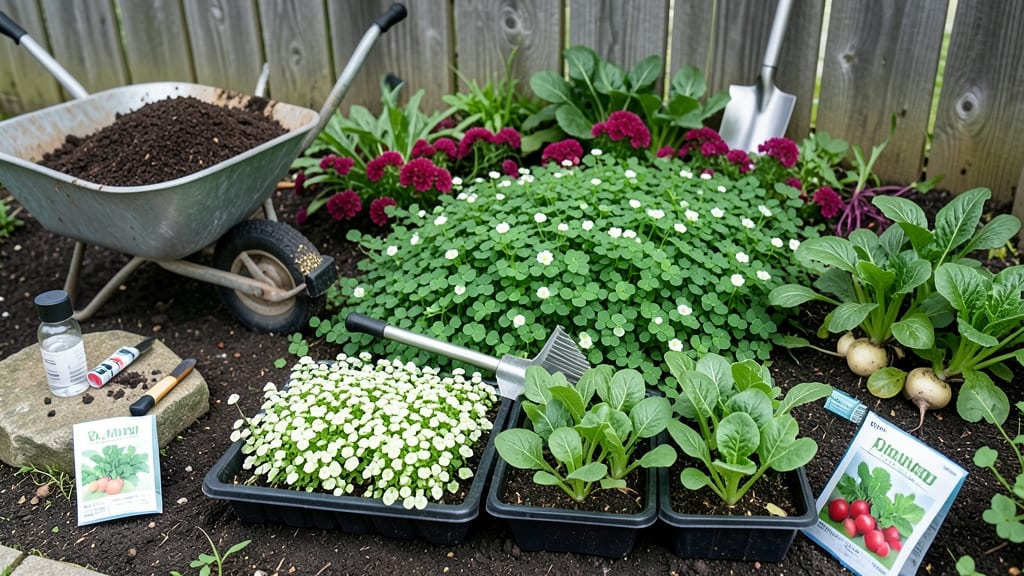
If you're planting fall food plots in Georgia this year, timing isn't just important—it's the difference between a thriving whitetail magnet and a wasted investment.
The 6-week window between late August and early October is your golden opportunity to grow nutritious forage before frost hits, but one wrong move could leave your plot struggling by hunting season.
Georgia's 7a-8b climate zones mean frost can arrive as early as mid-November, so planting too late means your plot won't have time to establish strong roots. But don't panic—this isn't about guessing dates.
It's about understanding soil temperatures, local microclimates, and which crops (like clover or brassicas) grow fastest in your specific part of the state.
I've helped Georgia hunters maximize their food plots for years, and the most successful ones follow a simple rule: plant when soil temps hit 60°F consistently and give your plots 45-60 days of growth before frost.
That means if you're in North Georgia, you might need to start earlier than someone in South Georgia—but we'll break down the exact dates you need.
By the end of this guide, you'll know exactly when to plant, how to adjust for your specific location, and the 3 critical mistakes that kill fall food plots before the rut. Let's get your whitetail hunting spot ready for prime-time forage.
Best months to plant fall food plots in Georgia for whitetail growth
Timing your fall food plots in Georgia isn’t just about avoiding frost—it’s about creating a peak forage window that coincides with the whitetail rut.
In Georgia’s USDA Zones 7a-8b, the ideal planting window runs from late August through early October, but the exact timing depends on your crop type and local frost dates.
Most Georgia hunters target September planting for clover mixes and brassicas, as this gives plants 60-90 days of growth before the first frost.
However, chicory and turnips can handle later plantings, while warm-season grasses like crimson clover need to be in the ground by mid-August to establish before cooler temps arrive.
Here’s the critical rule: Plant 4-6 weeks before your area’s first frost. In North Georgia, this might mean early September, while South Georgia hunters can push it to mid-October.
Use the comparison table below to match your crop type with the best planting window for your region.
| Crop Type | Best Planting Window | Days to Maturity | Frost Risk |
|---|---|---|---|
| Crimson Clover | Late August - Early September | 60-90 days | Low (hardy to light frost) |
| Brassicas (Turnips, Radishes) | Mid-September - Early October | 45-60 days | Moderate (kill before hard frost) |
| Chicory | Early September - Mid-October | 70-100 days | High (sensitive to frost) |
| Winter Rye | Late September - Early October | 90-120 days | None (winter hardy) |
| Alfalfa Mixes | Mid-August - Early September | 120+ days | Low (perennial) |
For North Georgia (e.g., Blue Ridge Mountains), aim for early September plantings to beat the earlier frosts that hit mid-November. In South Georgia (e.g., Columbus or Savannah), you can push plantings to late September or early October thanks to later frost dates (late November).
Always check local frost forecasts from the National Weather Service or Georgia Climate Project for real-time adjustments.
Pro tip: If you’re planting brassicas like turnips or radishes, time it so they’re bolting (flowering) by mid-October. Bucks love the high-protein seed heads, but the plants should still be green and palatable when the rut peaks in late November.
Use a soil thermometer to confirm temps are above 60°F—this ensures fast germination and strong root establishment.
One common mistake is assuming “fall” means October. In Georgia’s heat, late August plantings of warm-season crops like crimson clover can still thrive if you irrigate deeply for the first 2-3 weeks.
Always test your soil’s phosphorus levels—Georgia’s clay soils often need a 10-20-10 NPK fertilizer applied 2 weeks before planting to jumpstart growth.
For hunter-friendly plots, prioritize diverse mixes like clover + brassicas. This gives bucks year-round forage: clover for early fall, brassicas for peak rut, and rye for winter.
Plant 10-15 lbs of seed per acre for optimal coverage, and lightly disk the soil to 1-2 inches deep—this breaks up compaction without disturbing roots.
Remember: The goal isn’t just green plants—it’s high-protein forage that attracts and holds bucks. Aim for 20-25% protein in your mix, and avoid over-fertilizing with nitrogen after mid-September, as this can lead to rank growth that bucks ignore.
Monitor your plots with weekly scouting and adjust irrigation to keep soil moist but not waterlogged.
By nailing your planting window and crop selection, you’ll have a lush, productive food plot that peaks just as the rut kicks off. And when that 8-point buck finally steps into your stand, you’ll know it started with the right timing. 🌾
How to adjust planting dates based on Georgia’s microclimates
Georgia’s diverse climate zones mean your neighbor’s perfect planting window might not work for you. North Georgia’s cooler temperatures (USDA zones 6b-7a) demand earlier planting, while South Georgia’s warmer microclimates (zones 7b-8b) allow later starts. Even within regions, elevation changes of 500 feet can shift frost dates by 1-2 weeks. Use soil thermometers to track when temperatures hit 60°F+—the magic threshold for seed germination. In North Georgia mountains, aim for late August planting, while South Georgia’s coastal plains can wait until early October. Check NOAA frost probability maps for your exact location—some Atlanta suburbs average 32°F by November 15, while Savannah areas may hold off until December 1.
North GA: Plant August 20-Sept 15 (earlier frost risk)
Central GA: Plant Sept 1-25 (moderate risk)
South GA: Plant Sept 15-Oct 5 (warmer microclimates)
Pro Tip: Add 2 weeks to planting dates if your area had unseasonably cold summer temps.
When in doubt, use the "4-6 week rule": Count backward from your average first frost date (find yours via Georgia Climate Project maps) and plant within that window. Brassicas like turnips need 60-75 days to mature, while clover mixes can handle 90+ days of growth.
Adjust your seed mix based on your local frost window—fast-growing radishes work for late plantings, while alfalfa needs the full season.
Don’t let short-term weather forecasts trick you—a 7-day warm spell in October won’t override your long-term frost data. Use 30-year averages from Georgia Automated Environmental Monitoring Network (GAEMN) for reliable guidance.
For high-elevation areas (like Blue Ridge Parkway), consider frost cloth for late-season plots to extend the growing window by 2-3 weeks.
Finally, test your soil—pH below 6.0 in acidic North Georgia soils can delay germination by 3-5 days. Amend with lime 4-6 weeks before planting to avoid nutrient lockout. In South Georgia’s sandy soils, add compost to improve water retention for drought-sensitive crops like chicory.
Timing your fall food plot isn’t just about months—it’s about reading your microclimate’s unique language. Start with regional averages, then refine with local data, and you’ll grow whitetail magnets instead of frost-killed weeds. 🌾