
Plants
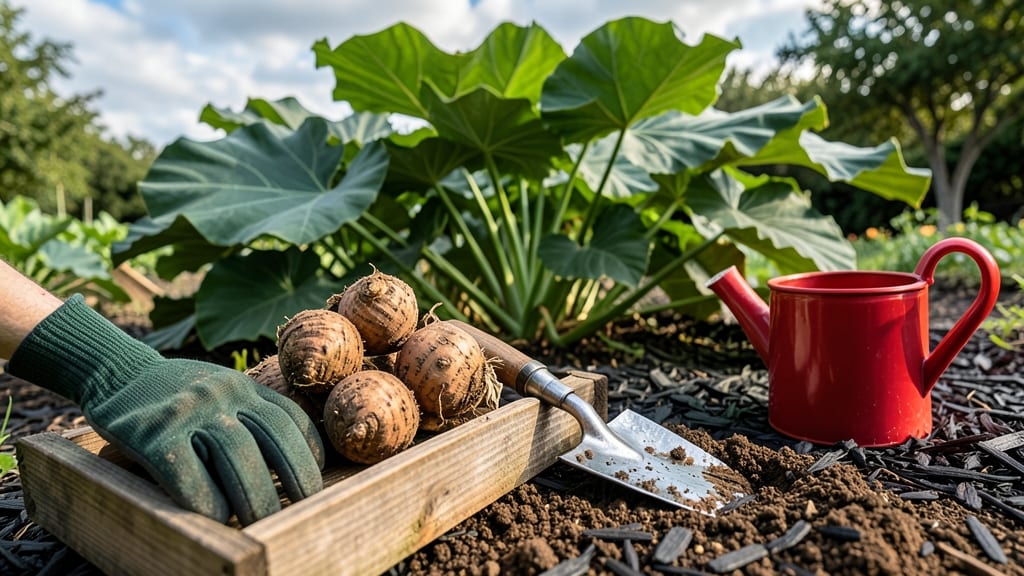
If you’ve ever dreamed of adding dramatic, tropical-looking foliage to your Georgia garden, knowing when to plant the elephant ear bulbs in Georgia is the key to success. The perfect window—after the last frost—can make all the difference between thriving plants and frost-damaged dreams.
Georgia’s USDA zones 7b-8b mean you’ve got a long growing season, but those early spring chills can still sneak up. Planting too soon risks freezing your tubers, while waiting too long might stunt their growth before summer’s heat sets in.
The ideal time? March to April, once soil temperatures hit at least 60°F.
Here’s the game-changer: whether you’re planting from tubers (the most common method) or seeds, preparation is everything. We’ll break down exactly how to prep your soil, choose the right location, and even handle late plantings if you miss the prime window.
Let’s get those elephant ears off to the fastest, most vibrant start possible.
Ready to transform your yard with bold, statement-making plants? Stick around—I’ll walk you through every step, from soil prep to the best varieties for Georgia’s climate. Your garden’s about to get a whole lot more dramatic.
Georgia’s frost-free timeline for planting elephant ear bulbs
Planting elephant ear bulbs in Georgia’s warm climate depends on avoiding late frosts while giving them time to establish strong roots before summer’s peak heat. Most gardeners in USDA Zones 7b-8b aim for March to April, but timing varies slightly between North and South Georgia.
The key is waiting until soil temperatures hit at least 60°F, which typically occurs after the average last frost date of March 15.
For Northern Georgia (e.g., Atlanta, Athens), the window narrows to mid-March through early April due to cooler nights.
Meanwhile, Southern Georgia (e.g., Savannah, Macon) can plant as late as early May in well-drained soil, thanks to milder winters. Tropical varieties like Alocasia or Colocasia are more forgiving and can handle late starts, but traditional elephant ears (Colocasia) thrive best with an early jumpstart.
| Month | Soil Temp (°F) | Planting Window | Notes |
|---|---|---|---|
| February | 50-55°F | ❌ Avoid (frost risk) | Start bulbs indoors if using containers. |
| March | 60-65°F | ✅ Ideal (after last frost) | Best for North GA; mulch to retain warmth. |
| April | 65-70°F | ✅ Ideal (safe for all GA) | Peak growth; water deeply 2x/week. |
| May | 70-75°F | ⚠️ Late (South GA only) | Use shade cloth for young plants. |
| June+ | 80°F+ | ❌ Avoid (heat stress) | Wait for fall replanting (not recommended). |
If you’re unsure about your last frost date, check the Georgia Climate Project or local Cooperative Extension Service for your county’s data.
For example, Athens (Zone 8a) typically sees its last frost by March 1, while Savannah (Zone 8b) can plant as late as April 15 without frost risk. Elephant ear bulbs are tender perennials, meaning they’ll die back in winter but return if planted correctly in spring.
For container gardening, you can extend your planting window by 2-3 weeks by starting bulbs indoors under grow lights in late February. Simply place the bulbs in pots with moist potting mix and keep them in a warm spot (70°F) until roots sprout.
Transplant outdoors once nighttime temperatures stay above 55°F consistently. This method works especially well for smaller varieties like Colocasia ‘Black Magic’, which matures to 3-4 feet tall.
One common mistake is planting too early in North Georgia, where late frosts can still occur in mid-April. If you’re eager to see growth, opt for heat-tolerant varieties like Coloc
Georgia’s frost-free timeline for planting elephant ear bulbs
Georgia’s USDA Zones 7b-8b offer a 220-day frost-free window, perfect for growing elephant ear bulbs (Colocasia). Timing your planting after the last frost date (around March 15) ensures healthy growth and avoids cold damage to these tropical-looking plants.
In Northern Georgia, cooler springs may delay planting until mid-April, while Southern Georgia gardeners can start as early as late February. The key is waiting for soil temperatures to reach at least 60°F—this prevents rot in the tender tubers.
Soil temperature is your best indicator: use a soil thermometer to confirm readiness. In North Georgia, aim for March 20-April 15, while South Georgia can plant February 20-March 15 for earlier blooms.
🌱 Georgia Elephant Ear Planting Timeline
| Month | Planting Window | Soil Temp | Notes |
|---|---|---|---|
| February | South GA only | 60°F+ | Early start for heat zones 8a-8b |
| March | Statewide ideal | 60-70°F | Best for North GA; avoid frost |
| April | Safe backup | 65°F+ | Late planting for missed windows |
| May | Container only | 70°F+ | Use pots for summer heat tolerance |
For container gardening, you can extend the planting window into May by using 5-gallon pots with drainage holes. This gives heat-tolerant varieties like 'Black Stem' extra time to establish before summer's intensity.
Missed the spring window? Late summer planting (August-September) works for tropical varieties in South Georgia. Choose fast-growing types like 'Illustris' to maximize foliage before frost arrives in November.
Always check your local extension office for microclimate variations—mountain regions may need 2-3 weeks later than coastal areas. With the right timing, your elephant ears will thrive all summer long! 🌿