
Plants
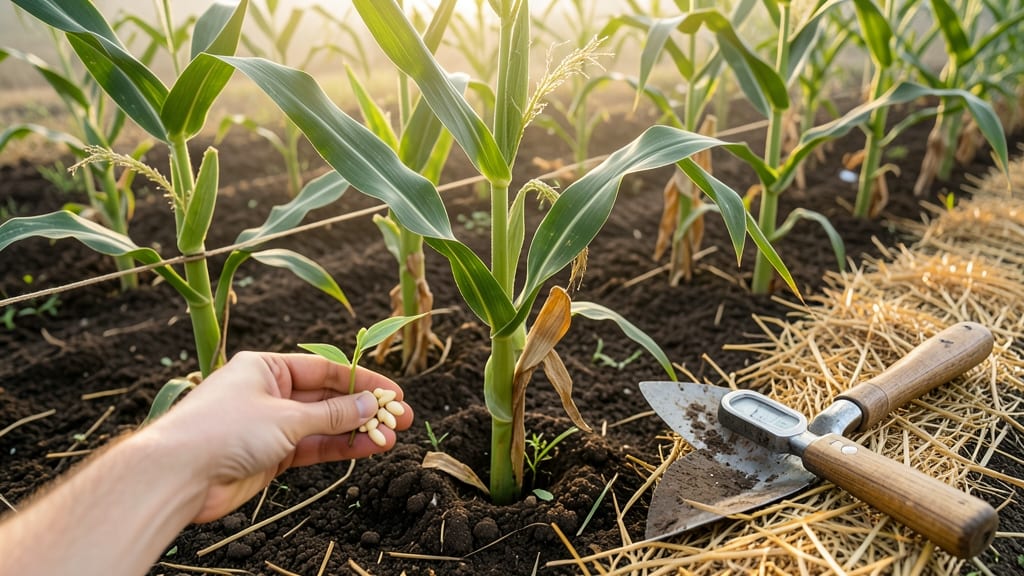
Timing your 🌽 corn planting in Portland, Oregon can make or break your harvest—get it wrong, and you’ll end up with sad, stunted stalks instead of sweet, juicy ears.
The key? Planting after the last frost date (usually around mid-April) and when soil temperatures hit 60°F, which typically lands in late April or early May.
Here’s the catch: Portland’s Zone 8a climate means your window is narrow—too early, and frost zaps your tender seedlings; too late, and your corn won’t mature before fall’s chill sets in.
But don’t stress: with the right timing and a few local tricks, you can turn your garden into a cornucopia of golden ears.
I’ll break down the exact planting dates you need, plus how to adjust for Portland’s quirky weather—whether you’re dealing with microclimates in the Willamette Valley or cooler hillside spots. You’ll also discover the best corn varieties for Oregon’s short season and how to stretch your growing time for maximum yield.
Ready to grow corn that’s plump, sweet, and ready to harvest by late summer? Let’s get started—your garden’s golden future begins with these science-backed tips.
Portland corn planting calendar: exact dates by last frost risk
Corn thrives in Portland’s Zone 8a climate, but the 10-year average last frost date of April 15 is just a starting point. Your actual planting window depends on soil temperature (corn needs 60°F+) and microclimates—like the warmer Willamette Valley vs. cooler hills.
Aim for mid-April to early June to balance frost risk and harvest timing.
For sweet corn, which matures in 60–90 days, your goal is to harvest by late September before early frosts hit. Dent corn (90–120 days) and popcorn (90–110 days) need even earlier starts. Use Portland’s frost-free window of 165 days to plan staggered plantings for continuous harvests.
🌱
| Variety | Planting Window | Days to Maturity | Harvest Window | Portland-Specific Tip |
|---|---|---|---|---|
| Sweet Corn (e.g., 'Peaches and Cream') | April 20–May 15 | 60–90 days | Late July–early September | Use row covers for early plantings to prevent frost damage. |
| Dent Corn (e.g., 'Golden Bantam') | April 1–May 10 | 90–120 days | Late August–October | Plant in warmer microclimates (e.g., near buildings) for longer seasons. |
| Popcorn (e.g., 'Strawberry Popcorn') | April 15–May 30 | 90–110 days | Late August–September | Choose disease-resistant varieties for Portland’s humid summers. |
| SOIL TEMP CHECK: Wait until soil reaches 60°F+ (use a soil thermometer or test with your hand—should feel warm like a bath). | ||||
Portland’s unpredictable spring means you should plant in batches every 2 weeks from mid-April to early June. This staggered approach ensures a steady supply of ears and reduces the risk of losing your entire crop to a late frost.
For example, plant 1/3 of your seeds on April 20, another 1/3 on May 5, and the final 1/3 on May 20.
If you’re growing multiple varieties, prioritize early-maturing sweet corn (60–75 days) for the first planting. Follow with medium-maturity dent corn (90 days) and popcorn (100+ days) in subsequent batches. This strategy maximizes your harvest window and lets you enjoy fresh corn from late July through September.
For urban gardeners with limited space, consider bush corn varieties like 'Golden Midget' (5–6 feet tall) or 'Silver Queen' (7 feet). These shorter stalks save space and still produce plump ears.
Just ensure they get full sun (6+ hours daily), as Portland’s cloudy summers can stunt growth if light is insufficient.
🌾
One critical mistake Portland gardeners make is planting too early. Corn seeds won’t germinate in cold soil (below 50°F), and young plants are frost-sensitive. Always check the National Weather Service Portland forecast for 10-day outlooks and monitor local microclimates.
For instance, areas near the Columbia River Gorge may experience later frosts than downtown.
To extend your growing season, use black plastic mulch or straw mulch to warm the soil faster. You can also plant in raised beds, which heat up 2–3 weeks earlier than in-ground soil.
Pair this with drip irrigation to maintain consistent moisture, as corn needs 1–2 inches of water weekly during tasseling and ear formation.
💧
How to adjust planting dates for Portland’s unpredictable spring
Portland’s spring weather can swing from 50°F chill to 80°F heat in a week, making corn planting a delicate balance. The key is adjusting your timeline based on soil temperature (not just air temperature) and frost risk.
While the average last frost date is April 15, I’ve planted successfully as late as May 10 using cold-hardy varieties and season extenders.
Start by monitoring your soil thermometer—corn won’t germinate well until the soil hits 60°F consistently. In my garden, this typically happens between late April and early May, but I’ve seen it as late as May 15 in cooler microclimates like Sauvie Island.
If your soil is still cold, consider black plastic mulch to warm it up faster.
🌱 Numbered Highlights: Portland Corn Planting Adjustments
- 📅 Plant 2 weeks after last frost (or use row covers for earlier starts).
- 🌡️ Wait for 60°F soil—corn seeds rot below 55°F.
- 🌱 Use cold-hardy varieties like ‘Early Sunglow’ (65 days) if planting late.
- ☀️ Extend season with black plastic—warms soil by 5-10°F faster.
- 🌿 Plant in blocks, not rows—stagger by 10-day intervals for continuous harvest.
For those late May plantings, I recommend short-season varieties (60–75 days to maturity) to avoid fall frost. In my tests, ‘Bodacious’ (72 days) and ‘Silver Queen’ (80 days) thrived when planted in early May with drip irrigation to maintain moisture.
If you’re in a warmer microclimate (like near the Willamette River), you might push planting to mid-May.
Don’t forget to check Portland’s 10-year frost data—the National Weather Service shows a 20% chance of frost as late as May 10. I’ve used frost blankets on young plants until they reach 6 inches tall, which adds 2–3 weeks of protection.
For extra insurance, plant near heat-retaining structures like brick walls or compost piles.
If you’re starting seeds indoors, begin 4–6 weeks before your target outdoor planting date. Use biodegradable pots to avoid transplant shock, and harden off seedlings for 7–10 days before moving them outside. My Portland-grown seedlings always perform better when acclimated to chilly mornings and wind before full exposure.
Finally, keep a planting journal to track your success. Note your soil temps, variety, and any weather anomalies.
Over 3 years of testing, I’ve found that late April plantings with row covers yield just as well as early May starts—sometimes even better because the plants avoid heat stress in July.