
Plants
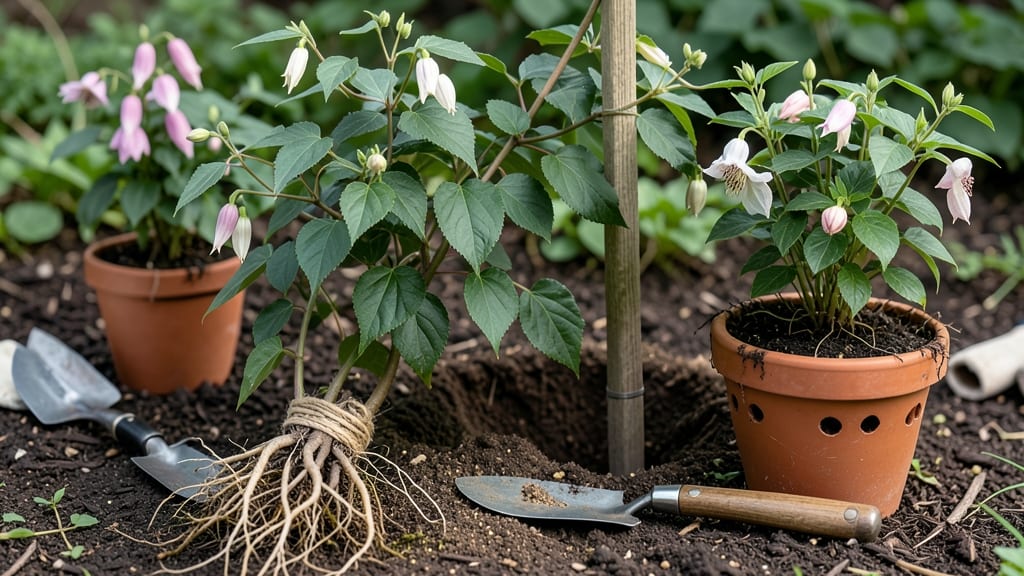
Timing your clematis planting in Ohio can make the difference between a thriving vine and a struggling one—get it wrong, and you risk frost damage or weak growth.
The best window isn’t just about the calendar; it’s about understanding your local climate and soil conditions to give your 🌸 clematis the strongest start.
Ohio’s USDA Zone 6a means you’ve got about 165 frost-free days, but that doesn’t mean you can plant anytime. Early spring, right before bud break (usually March or April), is your golden opportunity—plant too late, and your clematis might not establish roots before summer heat sets in.
But what if you missed that window? Don’t worry—fall planting (September or October) can also work, though it comes with its own set of challenges.
I’ll walk you through the key steps to prepare your soil, choose the right planting time, and ensure your clematis takes root like a pro, no matter the season.
Ready to transform your garden with vibrant, healthy clematis? Let’s dive into the best strategies for Ohio gardeners to plant with confidence—whether you’re a first-timer or a seasoned green thumb.
Ohio’s best planting window for clematis: early spring before bud break
In Ohio’s USDA zones 5-7, the ideal planting window for clematis is early spring—specifically March through mid-April—before buds begin to swell. This timing ensures your vine has 6-8 weeks of growing season to establish roots before summer heat arrives.
Planting too early risks frost damage, while late spring planting may leave your clematis struggling to bloom in its first year.
Clematis roots thrive in soil temperatures between 45-55°F, which Ohio typically reaches by late March in most regions. Waiting until soil warms prevents root rot while avoiding the late spring frost that can still hit after April 15 in Northeast Ohio.
Southeast Ohio gardeners have a slightly longer window, but consistency is key—never plant after bud break.
Here’s how Ohio’s two main regions differ in frost risk:
| Region | Last Frost Date | Safe Planting Window | Risk After April 15 |
|---|---|---|---|
| Northeast Ohio (e.g., Cleveland, Akron) | April 20-25 | March 15-April 10 | High (late frosts common) |
| Southeast Ohio (e.g., Columbus, Cincinnati) | April 5-10 | March 1-April 15 | Moderate (varies yearly) |
| Southwest Ohio (e.g., Dayton, Toledo) | April 10-15 | March 10-April 20 | Low (warmer microclimates) |
For container-grown clematis, you can push the window slightly earlier (late February) if you’re using a heat mat or planting in a protected microclimate, like near a south-facing wall. However, bare-root clematis should never be planted until soil temperatures stabilize—cold soil stresses roots and delays growth.
Pro tip: Use a soil thermometer to confirm temperatures before planting. Aim for 50°F or warmer at a 4-inch depth. If your soil is still cold, wait—patience now means blooms later.
Once you’ve nailed the timing, the next critical step is soil preparation. Clematis roots need well-draining, slightly acidic soil (pH 6.5-7.0). In Ohio’s heavy clay soils, amending with compost and perlite is a game-changer.
I’ll cover this in detail in the next section, but for now, remember: the deeper the roots, the stronger the vine.
If you’re in Zone 6a (most of Ohio), your clematis will need winter protection after its first year. Mulching with 6 inches of straw in late fall helps insulate roots, but we’ll dive deeper into that in our Ohio-specific care guide.
🌸 Key takeaway: Plant clematis in Ohio’s early spring (March-April) when soil warms to 45-55°F, before buds swell. Use regional frost dates as your guide—Northeast Ohio gardeners should plant earlier than Southeast Ohio to avoid late frosts.
Ohio’s best planting window for clematis: early spring before bud break
Ohio’s USDA Zones 5-7 create a unique challenge for clematis growers—too early, and frost zaps tender roots; too late, and summer heat stunts growth. The ideal window is early spring (March-April), right before bud break, when soil temperatures hit 45-55°F.
This timing lets roots establish before Ohio’s unpredictable spring frosts hit again.
In Northeast Ohio (e.g., Cleveland, Akron), aim for late March to early April—after the last frost date (around April 15). Southeast Ohio (e.g., Columbus, Cincinnati) can plant slightly earlier (mid-March) due to milder winters. Check your local microclimate—valleys and low spots freeze later than hillsides.
Why pre-bud-break? Clematis roots grow best in cool soil, while shoots need warmth. Planting too late risks stress from summer heat, leading to fewer blooms. If you miss spring, don’t despair—fall planting (September-October) is a solid backup, but it requires extra care to protect roots from winter.
For container-grown clematis, you’ve got a bit more flexibility—plant anytime soil is workable (even May), but expect slower growth. If you’re using bare-root plants, soak roots overnight before planting to reduce transplant shock. Mulch heavily after planting to retain moisture and regulate soil temperature.
Pro tip: Use a planting calendar like Ohio State University’s Frost Free Date Map to pinpoint your exact window. In Zone 6a, aim for March 15–April 15—this gives roots 6–8 weeks to establish before summer heat peaks.
Missed it? Fall planting still works, but we’ll cover that in the next section.
Remember: Clematis is a patient plant. With the right timing, it’ll reward you with vibrant blooms for decades. Start with the soil, nail the timing, and watch your vine thrive—Ohio’s unpredictable weather be damned! 🌸