
Plants
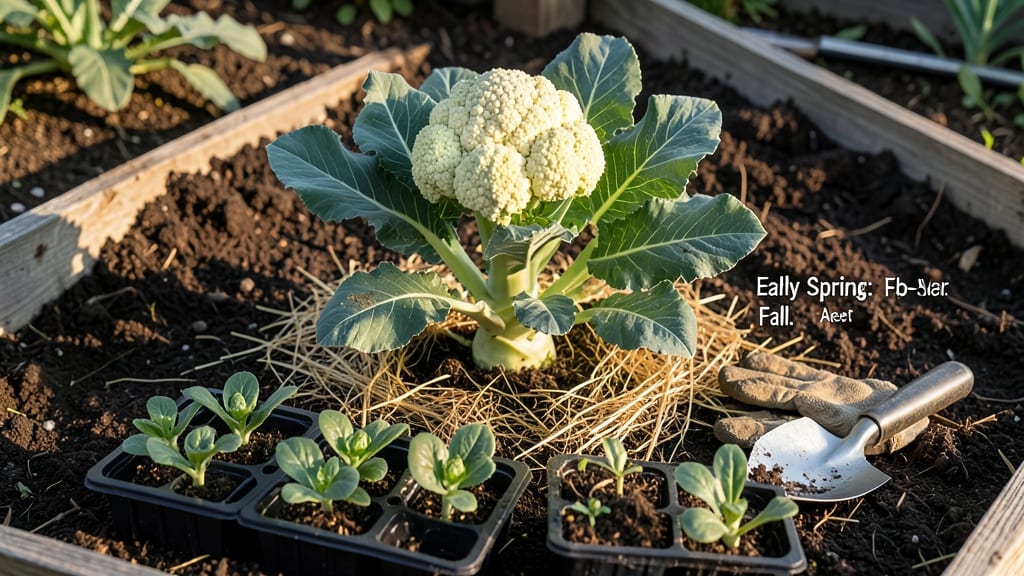
Timing your cauliflower planting in North Carolina can make or break your harvest—get it wrong, and you’ll end up with bitter heads or plants that bolt before they mature.
The key lies in understanding when to plant for your specific region, whether you’re in the cooler mountains or the warmer coastal plains.
North Carolina’s diverse climate means your neighbors might be harvesting while you’re still waiting for the right moment.
I’ve grown cauliflower 🌱 in NC for years, and the difference between a bountiful crop and a disappointing one often comes down to planting at the right time—spring for early harvests or fall for extended-season yields.
In this guide, I’ll break down the exact windows for planting cauliflower in NC, including soil temperature tips, frost considerations, and variety recommendations tailored to your zone. Whether you’re a first-time gardener or a seasoned pro, these insights will help you avoid common mistakes and maximize your garden’s potential.
Let’s dive into the best strategies for planting cauliflower in NC—so you can enjoy fresh, homegrown heads from summer through fall without the guesswork.
Best planting times for cauliflower in North Carolina (spring vs fall)
North Carolina’s diverse climate—from the Coastal Plain’s humidity to the Mountains’ cooler temperatures—means cauliflower planting windows vary dramatically. In USDA Zones 6b-8a, timing your plantings around last frost dates and heat tolerance thresholds (cauliflower bolts above 80°F) is critical for success.
Let’s break down the ideal planting schedules for both spring and fall harvests across NC’s regions.
For spring plantings, aim to sow seeds or transplant seedlings 4-6 weeks before your area’s average last frost date. In the Coastal Plain (Zone 8a), this typically means February to early March, while Piedmont (Zone 7b) gardeners should wait until mid-March to April.
Mountain regions (Zone 6b) have a slightly later window, late March to early April, due to colder soils.
Here’s where things get tricky: cauliflower thrives in cool weather (50-75°F) but struggles when temperatures climb above 80°F. In NC’s hot summers, spring-planted cauliflower often bolts or develops blind stems (no heads).
That’s why many gardeners opt for fall plantings instead, which align with NC’s cooler autumn temperatures.
Fall plantings should occur 80-100 days before your first expected frost date. For the Coastal Plain, this means late July to early August, while Piedmont gardeners can plant until mid-August.
Mountain regions have a slightly extended window, with late July to early September plantings working well. The key is to harvest before hard frosts hit—typically mid-October to November in most of NC.
🌱 Pro Tip: Use a frost date calculator for your specific NC county (like the NC State Extension’s tools) to pinpoint exact planting windows. Even a 5-day shift can mean the difference between a bountiful harvest and failed crops.
| Region | USDA Zone | Spring Planting Window | Fall Planting Window | Key Considerations |
|---|---|---|---|---|
| Coastal Plain | 8a | Feb 15 - Mar 15 | Jul 20 - Aug 5 | Humidity increases bolting risk; prioritize shade in summer |
| Piedmont | 7b | Mar 1 - Apr 10 | Aug 1 - Aug 15 | Moderate heat; use mulch to retain soil moisture |
| Mountains | 6b | Mar 15 - Apr 5 | Jul 10 - Sep 1 | Cooler soils; extend season with row covers |
If you’re new to growing cauliflower in NC, start with fall plantings—they’re more forgiving and align with the state’s natural cooling trends. For spring plantings, consider heat-tolerant varieties like ‘Graffiti’ (purple cauliflower) or ‘Snowball Y Improved’, which handle mild heat better than traditional white varieties.
Another critical factor is soil temperature. Cauliflower seeds germinate best in soils between 60-70°F. Use a soil thermometer to check before planting—cold soils delay germination and invite rot.
In NC’s Coastal Plain, where soils warm faster, you might need to pre-chill seeds or use black plastic mulch to speed up soil warming.
For gardeners in Zone 8a (Coastal NC), you can even squeeze in two harvests per year: one in early spring (Feb-March) and another in late fall (Sept-October). However, this requires careful succession planting and shade protection during summer months.
If you’re in Zone 6b (Mountains), focus on one strong fall harvest and save spring plantings for cold-hardy greens like kale.
🌿 Remember: NC’s microclimates can vary even within counties. If your garden sits in a low-lying area or near a lake, expect earlier frosts than inland zones. Always monitor local weather forecasts and adjust your planting dates accordingly.
Best planting times for cauliflower in North Carolina (spring vs fall)
North Carolina’s three distinct climate zones—Coastal, Piedmont, and Mountains—each demand slightly different cauliflower planting windows. Coastal areas (like USDA Zone 8a) enjoy longer growing seasons, while mountain regions (like Zone 6b) face earlier frosts. Understanding these microclimates helps you avoid bolting in heat or frost damage.
For spring planting, aim to sow seeds indoors 6-8 weeks before your last expected frost date. In most of NC, this means February to early March for Coastal areas and March to April for the Mountains.
Transplant seedlings outdoors when soil temperatures reach 45°F (7°C)—typically late March to early April in Piedmont.
Here’s how NC’s regions break down for optimal cauliflower planting, including frost dates and heat tolerance thresholds:
| Region | USDA Zone | Last Frost Date | Spring Planting Window | Fall Planting Window |
|---|---|---|---|---|
| Coastal (e.g., Wilmington) | 8a | Mid-March | Feb 15–Mar 15 (indoors), Apr 1–May 1 (outdoors) | Jul 15–Aug 15 (indoors), Sep 1–Oct 1 (outdoors) |
| Piedmont (e.g., Raleigh) | 7b | Early April | Mar 1–Apr 1 (indoors), Apr 15–May 1 (outdoors) | Jun 15–Jul 15 (indoors), Aug 15–Sep 15 (outdoors) |
| Mountains (e.g., Asheville) | 6b | Late April | Mar 15–Apr 15 (indoors), May 1–Jun 1 (outdoors) | Jun 1–Jul 1 (indoors), Aug 1–Sep 1 (outdoors) |
Fall planting is your second chance for harvests, but timing is critical. Start seeds indoors 8-10 weeks before your first frost date (typically July to early August for Coastal areas and June to July for the Mountains). Transplant seedlings outdoors when soil temperatures drop below 80°F (27°C)—usually late August to early September.
For extended-season harvests, consider using shade cloth or row covers to protect plants from late summer heat. Varieties like 'Graffiti' (purple cauliflower) tolerate heat better than traditional white varieties, making them ideal for NC’s hotter Piedmont summers.
Always monitor soil temperatures with a thermometer—cauliflower roots thrive between 55°F–75°F (13°C–24°C). If temperatures rise above 85°F (29°C), your plants may bolt prematurely, ruining your harvest.