
Plants
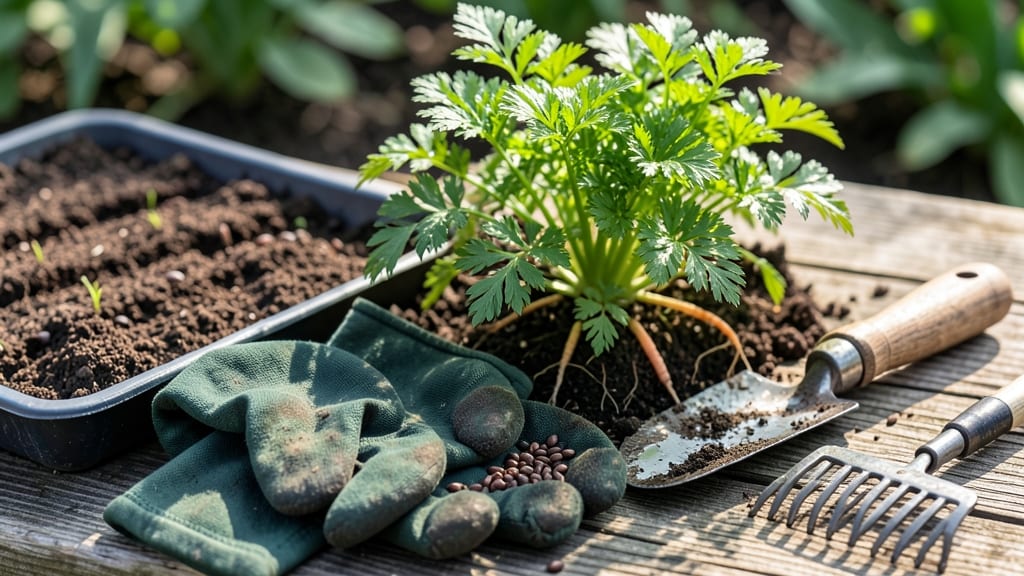
Timing your carrot planting in spring isn't just about throwing seeds into the dirt—it's the difference between sweet, crisp 🥕 roots and bitter, stunted failures. Most gardeners rush planting too early, only to watch their seeds rot in cold soil or struggle to germinate.
The real secret? Soil temperature plays a bigger role than frost dates alone.
In USDA Zone 6a, where many gardeners live, the ideal window starts 2-4 weeks before your last frost date—but only when soil reaches 40°F to 70°F. Planting too soon means seeds sit dormant or rot; too late, and you miss the sweet spot for summer harvests.
I'll show you exactly how to test soil readiness and adjust your schedule for your region.
Beyond the calendar, there are 3 common mistakes that sabotage early spring carrots—like skipping soil prep or crowding seedlings. We'll cover how to avoid them, plus how succession planting can keep your kitchen stocked all season. Ready to grow carrots that actually taste like carrots? Let's get started.
This isn't just theory—it's the game-changer I've used to grow 60-80 days of perfect carrots every year. Whether you're a first-time gardener or a seasoned pro, these tips will help you time your planting like a pro. No more guessing—just crisp, sweet roots from seed to table.
Best soil temperature ranges for planting carrots in spring
Carrots are finicky about soil temperature, and planting too early—when the ground is still chilly—can leave you with slow germination or misshapen roots. The ideal window starts when soil reaches 40°F but peaks at 60°F–70°F for fastest sprouting.
This range ensures seeds break dormancy without rotting or drying out prematurely.
Cold soil below 40°F slows germination to a crawl, while temperatures above 80°F can cause seeds to bolt or rot. Most gardeners in USDA zones 3–10 can start planting as early as 2–4 weeks before the last frost date, but timing varies wildly depending on your microclimate.
For example, coastal regions warm faster than inland areas, even in the same zone.
To test soil temperature accurately, use a soil thermometer buried 1 inch deep (the depth where carrot seeds sit). Check readings in the early morning for consistency. If your soil is still below 50°F, wait at least 1–2 weeks—carrot seeds need warmth to sprout reliably.
Patience here prevents wasted effort and seed packets.
Here’s how soil temperature impacts carrot growth at each stage:
- 40°F–50°F: Germination slows to 2–3 weeks; seeds may rot if soil stays soggy.
- 50°F–60°F: Germination takes 10–14 days; ideal for early spring planting.
- 60°F–70°F: Fastest germination (7–10 days); roots develop evenly.
- 70°F–80°F: Risk of bolting or stunted growth; prioritize shade cloth if needed.
🌱 Carrot Soil Temperature & Planting Guide
| Soil Temp Range | Germination Time | Planting Window | USDA Zones |
|---|---|---|---|
| 40°F–50°F | 2–3 weeks | Early spring (2–4 wks before last frost) | 3–7 |
| 50°F–60°F | 10–14 days | Mid-spring (after frost risk) | 4–8 |
| 60°F–70°F | 7–10 days | Late spring (peak growth) | 5–10 |
| 70°F+ | 5–7 days (risk of bolting) | Summer (succession plant) | 9–10 |
Pro Tip: Use black plastic mulch to warm soil 5–10°F faster in cold climates.
Regional variations matter more than you’d think. In USDA zone 3 (e.g., Minneapolis), wait until late May for soil to hit 55°F, while zone 10 (e.g., Miami) can plant as early as January.
Always adjust for your microclimate: North-facing beds stay colder longer, while south-facing spots warm up faster.
If you’re unsure about your soil’s readiness, try the paper towel test: Press a damp paper towel against the soil for 10 minutes. If it feels cool but not freezing, your seeds are safe.
Avoid planting if the towel feels damp and cold—this signals poor drainage or frost risk, both of which can kill seeds.
One common mistake is rushing to plant as soon as the ground is workable. Just because you can dig doesn’t mean it’s warm enough! Carrots need consistent warmth to grow straight and sweet.
If you plant too early and hit a late frost, your seeds may rot before sprouting. Always check a 10-day weather forecast before committing.
For gardeners in warmer zones (7–10), late summer planting is possible, but use shade cloth to keep soil temps below 80°F. Otherwise, your carrots will bolt (flower prematurely) and taste bitter. The key is balancing soil warmth with air temperature—carrots thrive when both are mild.
Remember: Soil temperature > air temperature for planting decisions. A sunny 70°F day with 50°F soil means wait another week. Use a soil thermometer for accuracy—it’s the only way to avoid guesswork. Your future crisp, sweet carrots will thank you!
Carrot planting schedule by USDA zone: exact months to start seeds
Planting carrots at the right time in spring depends on your USDA zone and last frost date. In colder regions like Zones 3-5, aim for 2-4 weeks before last frost, while warmer Zones 8-10 can start as early as February.
Always check your local frost dates to avoid cold snaps that stunt germination.
For example, gardeners in Zone 6a (like me!) should plant between mid-March and early April, while Zone 9 growers can begin in late January. Succession planting every 2-3 weeks ensures a continuous harvest through summer.
Here’s how to adapt your schedule by zone—plus tips for extending your harvest season:
| USDA Zone | First Planting Window | Succession Planting | Last Planting (Summer) |
|---|---|---|---|
| Zones 3-4 | Late April – Early May | Every 3 weeks until June | Early July (60-day harvest) |
| Zones 5-6 | Mid-March – Early April | Every 2-3 weeks until May | Late July (70-day harvest) |
| Zones 7-8 | Late January – February | Every 2 weeks until April | Early August (80-day harvest) |
| Zones 9-10 | Late January – Early February | Every 2 weeks until March | Mid-September (fall harvest) |
Pro tip: Use row covers in cooler zones to extend your planting window by 2-3 weeks without risking frost damage. For example, I’ve planted carrots in Zone 6a as early as March 1st with a lightweight cover, then removed it after the last frost.
If you live in a hot climate (Zones 9-10), opt for shade cloth in summer to prevent bolting (when carrots flower prematurely). Plant heat-tolerant varieties like ‘Danvers Half Long’ for better success in late spring.
Remember: Soil temperature matters more than air temperature. Use a soil thermometer to confirm your soil is at least 40°F—cold soil delays germination by weeks. For a foolproof schedule, mark your calendar 60-80 days before your first expected frost to time your last succession planting.