
Plants
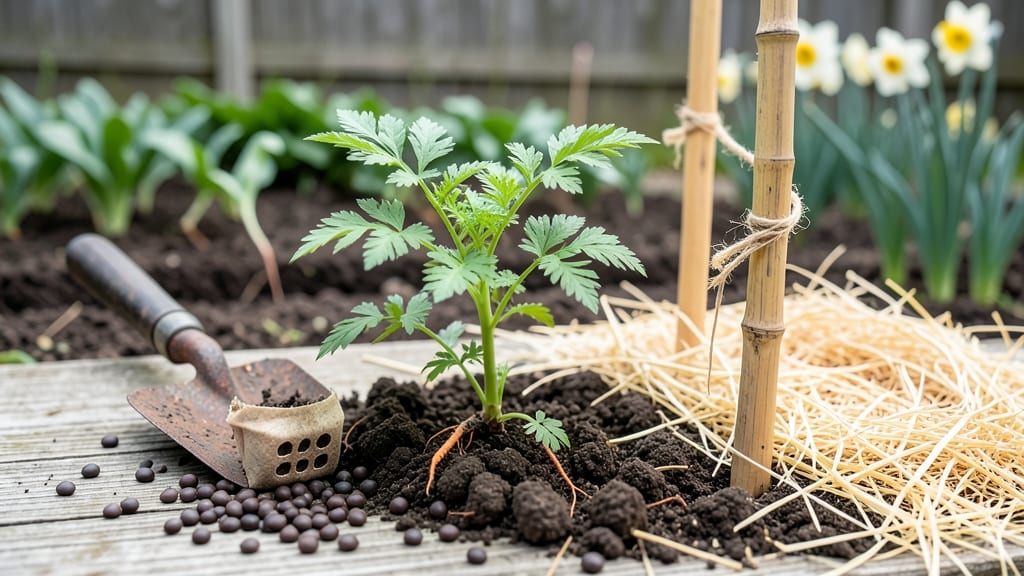
Planting your carrots 🥕 at the wrong time in Pennsylvania can mean the difference between a garden full of sweet, crisp roots and a season of frustration. The perfect window depends on soil temperatures, frost dates, and even your local microclimate—whether you're in Pittsburgh's cooler hills or Philadelphia's warmer valleys.
Most gardeners in USDA Zone 6a like Pennsylvania know timing matters, but did you know soil should reach at least 50°F before planting? That's why early spring (March-April) and late summer (July-August) are your best bets for avoiding forking roots or stunted growth.
In this guide, I'll walk you through exactly when to plant—plus how to stretch your harvest season with smart strategies. You'll learn how to calculate your frost-free dates, adjust for Pennsylvania's variable climate, and even troubleshoot common mistakes that ruin carrot crops.
Ready to grow carrots that are straight, sweet, and ready to harvest from May through October? Let's get started with the timing secrets that'll make your garden the talk of the neighborhood.
Pennsylvania carrot planting calendar: soil temperature & frost-free date guide
Pennsylvania’s diverse climate—spanning USDA zones 5-7—means carrot planting windows vary by region. In the cooler northwest (Erie, State College), aim for late March to early April, while warmer southeastern PA (Philadelphia, Reading) can start as early as mid-February.
The key? Soil temperature must reach at least 50°F for germination, and frost-free dates range from April 15 (north) to March 20 (south).
For a continuous harvest, I plant two batches: one in early spring (March-April) and another in late summer (July-August). This strategy works because carrots thrive in cool weather and can tolerate light frosts—just avoid planting when nighttime temps drop below 40°F.
Pennsylvania’s 165 frost-free days give us plenty of room for multiple plantings!
Here’s how I break it down by month and region to maximize your carrot yield:
| Planting Window | Soil Temp Requirement | Frost-Free Date | Best Varieties |
|---|---|---|---|
| Early Spring (March-April) | 50-60°F | After April 15 (north) / March 20 (south) | 'Danvers Half Long', 'Nantes' |
| Late Summer (July-August) | 60-70°F | Before first frost (Oct 15) | 'Paris Market', 'Rainbow' |
| Fall (September) | 55-65°F | Harvest before hard frost | 'Chantenay Red Core' |
Pro tip: Use a soil thermometer to check temperatures—carrot seeds won’t sprout in cold soil. I’ve learned the hard way that planting too early in Pennsylvania’s unpredictable spring often results in seeds rotting before they germinate.
Wait until the ground warms up, even if it means delaying planting by a week or two.
For gardeners in Pittsburgh or the Poconos, where springs are cooler, consider starting seeds indoors in late February and transplanting after the last frost.
In Philadelphia or Harrisburg, you can push the envelope and plant outdoors as early as mid-February if you use row covers to protect young seedlings from late frosts.
Carrots are cool-season crops, so they actually prefer temperatures between 60-70°F during the day. If you plant in summer’s heat (above 80°F), they’ll bolt (go to seed) quickly or develop woody roots.
That’s why my late summer planting focuses on heat-tolerant varieties like 'Paris Market' and uses shade cloth during peak afternoon sun.
Don’t forget about succession planting! Instead of sowing all your seeds at once, scatter them every 2-3 weeks from March through July. This ensures a steady supply of fresh carrots all season long.
For example, I plant a small batch in late March, another in mid-April, and a final one in early July—this gives me harvests from May through October.
One common mistake I see in Pennsylvania gardens is planting carrots in heavy clay soil without amending it first. Carrots need loose, well-draining soil to grow straight and avoid forking. If your garden soil is compacted (like much of PA’s glacial till), mix in compost or sand to improve drainage.
I also recommend raised beds for clay-heavy areas—they warm up faster in spring and give roots plenty of space to grow.
Finally, always check your local frost-free date using the USDA Plant Hardiness Zone Map or your county’s agricultural extension office. While Pennsylvania’s average last frost is around April 15, microclimates can shift this by 1-2 weeks.
For example, Valley Forge might be frost-free by April 1, while DuBois could still see frost in May. Plan accordingly!
How to extend your carrot growing season in Pennsylvania (3 proven methods)
Pennsylvania’s variable climate—from chilly springs to hot summers—can limit carrot growing seasons. But with the right strategies, you can enjoy fresh homegrown carrots for months longer. Here are my top methods to stretch your harvest, tailored for PA gardeners.
First, succession planting is your best friend. By sowing seeds every 2-3 weeks from early spring to mid-summer, you’ll ensure a steady supply. For example, start your first batch in late March (when soil hits 50°F), then follow up in April, May, and June.
🌱
- Succession Planting
- Cold Frame Protection
- Heat-Tolerant Varieties
For fall harvests, use a cold frame or low tunnel to protect seedlings. I’ve had success growing carrots until mid-November in central PA by covering them with clear plastic and adding straw mulch for insulation. Just avoid planting too late—seeds need 4-6 weeks to mature before frost arrives.
In hotter regions like Philadelphia or Pittsburgh, opt for heat-tolerant varieties like ‘Danvers Half Long’ or ‘Nantes’. These handle summer heat better and can be planted in late July for a fall harvest. Pair them with drip irrigation to keep soil moist without wilting.
🌿
Pro tip: Test your soil before planting—PA’s clay-heavy soils can cause forked carrots. Amend with compost or sand to improve drainage. And always thin seedlings to 2-3 inches apart for straight, healthy roots.