
Plants
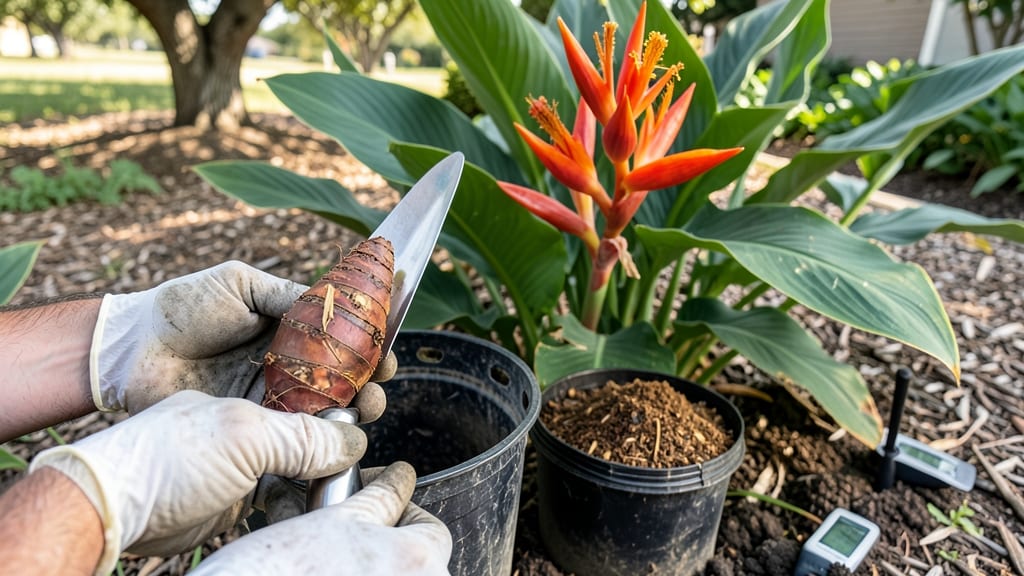
Timing when to plant canna bulbs in Kansas can make or break those showstopping summer blooms you're dreaming of. The wrong move—planting too early and risking frost damage, or too late and missing peak growth—means waving goodbye to those bold, tropical leaves and fiery flowers.
Kansas gardeners in Heat Zone 6B have a narrow window to get it right: typically after the last frost, which usually lands between late April and early May.
But here's the catch—soil temperature matters just as much as calendar dates. Cold soil can stall root growth, leaving your cannas struggling when summer heat arrives.
I've seen firsthand how a few weeks' difference can turn a lush, thriving Canna Lily into a sad, stunted plant. The good news? With the right preparation and local know-how, you can time it perfectly for bold blooms that'll be the talk of your neighborhood.
Let's break down exactly when to plant, how to prep your soil, and what to watch for in Kansas' unpredictable spring weather. Your tropical-looking garden starts with these simple but critical steps—don't miss them.
Kansas canna planting timeline: exact dates for heat zone 6B success
Kansas’ Heat Zone 6B means canna bulbs must wait for soil temperatures above 60°F and the last average frost date—typically around April 15. Planting too soon risks frost damage, while delaying past May 15 may stunt growth before summer’s peak.
Check your local Kansas State University Extension frost maps for precise deadlines in your county.
For southern Kansas (Heat Zone 7), you can plant as early as mid-April if nights stay above 45°F. In northern Kansas (Zone 5b), wait until late May to avoid late frosts.
Always use row covers if planting early in Wichita or Topeka—their flatlands can trap cold air longer.
Canna bulbs thrive when planted after the last frost, but soil warmth matters more than air temperature. Use a soil thermometer to confirm 60°F+ at 4-inch depth.
In Kansas City, this usually aligns with late April to early May. If your soil is still chilly, chit your bulbs indoors for a 2-week head start.
Missed the ideal window? Don’t panic. Cannas are hardy once established, so June plantings can still yield blooms—just expect smaller, later flowers. For container gardening, plant 2-4 weeks earlier since pots warm faster. Use black plastic mulch to accelerate soil heating in garden beds.
🌱
Kansas’ variable spring weather demands flexibility. If a late frost hits after planting, cover cannas with frost cloth or move containers indoors temporarily. In drought-prone areas like western Kansas, prioritize well-draining soil to prevent bulb rot. Mulch heavily (3-4 inches) to retain moisture and regulate soil temps.
For container growers, use fast-draining mixes with perlite and plant in black pots to absorb heat. Place containers near south-facing walls to extend the growing season. In Kansas City’s urban heat islands, you can plant 1-2 weeks earlier than rural areas due to microclimates.
Track your cannas’ progress with a growth journal. Note when shoots emerge (usually 2-4 weeks post-planting) and adjust watering as they grow. Peak blooms in Kansas typically arrive by mid-July, but late plantings may bloom as late as September.
Save seeds from open-pollinated varieties for next year!
🌺
Pro tip: Divide canna tubers every 3-4 years to rejuvenate growth. In Kansas, dig them up in October, trim foliage, and store in dry peat moss at 45-50°F until replanting. This keeps your cannas healthy and vigorous for years.
How to prepare canna bulbs for Kansas’ unpredictable spring weather
Kansas’ spring weather can be as unpredictable as a tornado warning—one day warm and sunny, the next a surprise frost. To give your canna bulbs the best shot at survival, start by hardening them off indoors 2-3 weeks before your target planting date.
Place bulbs in a cool, bright spot (like a garage or basement) where temps hover around 50-60°F to mimic outdoor conditions.
Next, focus on soil preparation—Kansas’ clay-heavy loam drains poorly, which can drown canna roots. Amend your soil with organic matter like compost or aged manure to improve drainage and fertility. Aim for a mix that’s 60% native soil and 40% amendments to create an ideal growing medium.
Place bulbs in a tray with the eyes facing up, cover with 1-2 inches of moist peat moss, and keep in a sunny window for 2-3 weeks. Roots should emerge before planting.
Dig a hole and check if soil is workable (not muddy or rock-hard). If too wet, wait 1-2 weeks; if too dry, water deeply 24 hours before planting.
Use row covers or cloche tunnels if planting early. Monitor frost forecasts and have a plan to cover young shoots if temps drop below 32°F.
For container gardeners, choose pots with drainage holes and use a lightweight potting mix to prevent root rot. Place containers in a sheltered spot (like near a south-facing wall) to protect them from wind and temperature swings.
If you’re unsure about your last frost date, err on the side of caution—wait until May 1st to plant in most of Kansas.
Finally, mulch around your cannas with straw or shredded leaves after planting to retain moisture and regulate soil temperature. This is especially critical in Kansas’ dry spells or sudden heatwaves. With these prep steps, your cannas will burst from the soil like a summer fireworks display! 🌺