
Plants
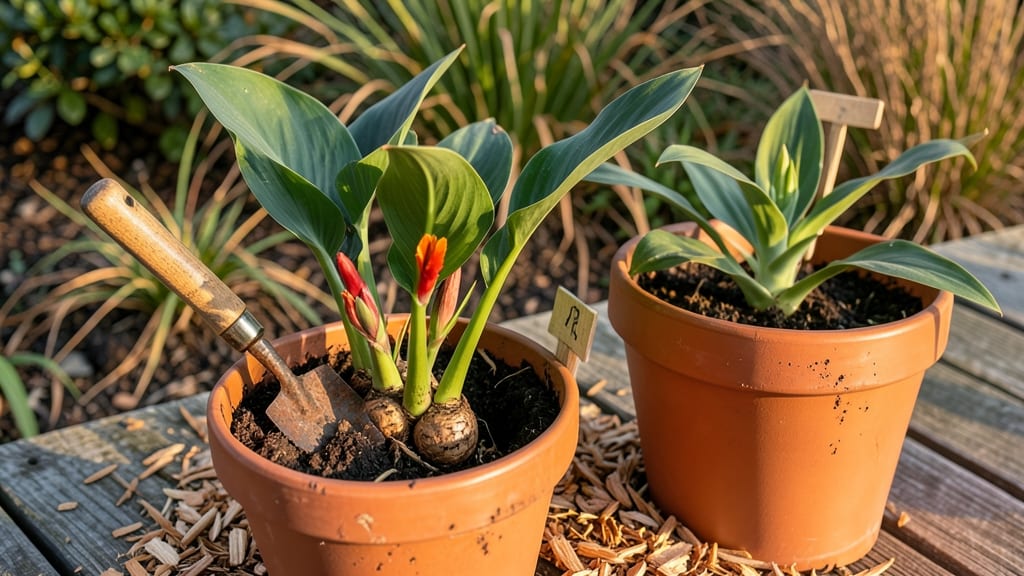
If you're dreaming of tropical-looking canna lilies 🌺 lighting up your Illinois garden, knowing when to plant canna bulbs in Illinois is the key to avoiding frost-killed blooms.
These heat-loving beauties need warm soil and air to thrive, and getting them in too early can mean wasted effort—or worse, no flowers at all.
Most Illinois gardeners wait until mid-April to early May after the last frost date, but regional differences matter. Northern areas (like Zone 5b) should hold off longer than southern spots (Zone 6b), where warmer microclimates allow earlier planting.
The goal? Plant when soil temperatures hit at least 60°F—that's your green light for success.
I'll walk you through exactly when to plant in your specific corner of Illinois, plus pro tips for preparing bulbs and protecting them from late frosts.
Whether you're a first-time grower or a seasoned gardener, these insights will help you grow bold, thriving cannas that last from summer straight through fall.
Ready to skip the guesswork? Let's dive into the perfect planting schedule for your Illinois garden—so you can enjoy those showstopping blooms all season long.
Best planting months for canna bulbs in Illinois (with frost-free zones)
Timing your canna bulb planting in Illinois means balancing last frost dates with soil warmth—cannas need 60°F+ soil to thrive. In most of Illinois (USDA zones 5b-6b), this window opens mid-April to early May, but northern regions like Chicago may wait until late May to avoid frost damage.
Southern Illinois (e.g., St. Louis) can plant as early as late March in microclimates with early warming. The key is waiting until nighttime temps stay above 50°F consistently—use a soil thermometer to confirm readiness. Container-grown cannas can tolerate slightly cooler soils, giving you 2-3 extra weeks of flexibility.
Miss the window? Don’t panic! Cannas are perennial rhizomes—you can plant them through June for summer blooms, though they’ll be smaller. The trade-off is reduced flowering and slower establishment, but they’ll still reward you with bold foliage.
For container planting, you gain flexibility—pots warm faster and can be moved indoors if frost threatens. Just ensure containers have drainage holes and use lightweight potting mix to prevent overheating. In-ground plantings benefit from mulch (2-3 inches) to regulate soil temperature and retain moisture.
Pro tip: Hardening off your canna rhizomes before planting boosts survival rates. Place them in a shady, sheltered spot for 3-5 days before transplanting to acclimate to Illinois’ variable spring weather. This mimics natural conditions and reduces shock.
If you’re in Zone 5b (northern IL), consider starting cannas in biodegradable pots indoors under grow lights 6-8 weeks before your last frost date. Transplant the entire pot into the ground to minimize root disturbance—a technique called pot-in-pot planting.
Remember: Canna lilies are heat-lovers, not frost-fighters. Even a light frost (below 32°F) can damage new growth, so always check your local frost calendar. The Illinois State Water Survey provides updated frost maps—bookmark their site for real-time alerts!
Once planted, water deeply 2-3 times weekly until established (about 6 weeks). Cannas in full sun will reward you with tropical blooms by July, while shaded plantings focus energy on lush foliage. The trade-off? Sun = more flowers; shade = bigger leaves.
Best planting months for canna bulbs in Illinois (with frost-free zones)
Canna lilies thrive in Illinois’ warm summers, but their tropical roots demand precise timing to avoid frost damage. The ideal window is after your area’s last average frost date, typically mid-April to early May for most of the state. Northern Illinois (USDA zones 5a-5b) waits until late May to play it safe, while southern regions (zones 6a-6b) can plant as early as April 15.
These heat-loving rhizomes need soil temperatures above 60°F to sprout successfully. Planting too soon risks frost-killed shoots—a heartbreaking sight after months of anticipation. Even if your local forecast looks promising, always check historical frost data for your specific county.
🌱
For container gardening, you gain flexibility—move pots indoors if frost threatens. Place them near south-facing walls to maximize warmth. In ground planting, choose sheltered spots like near foundations or fences where cold air pools less often.
Pro tip: Use a soil thermometer to confirm 60°F+ soil before planting. If temps dip below this, wait—patience prevents losses. Even a single night below 32°F can damage emerging shoots.
🌿
Once planted, mulch heavily with straw or shredded leaves to maintain consistent soil warmth. This helps establish roots faster and extends your blooming season by weeks. In northern Illinois, consider row covers for early plantings to create a mini greenhouse effect.