
Plants
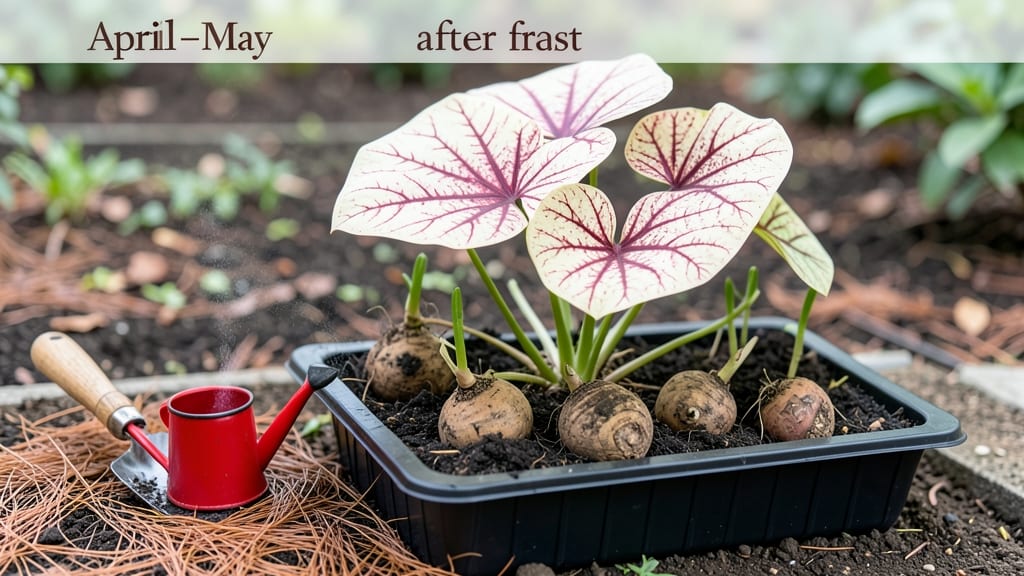
Planting caladium bulbs in Zone 7 at the wrong time can mean the difference between vibrant, show-stopping foliage and disappointing, wilted leaves. The key? Timing it perfectly after your last frost—typically around mid-to-late spring—when soil temperatures hit at least 60°F for optimal growth.
I’ve learned the hard way that rushing these tropical beauties into cold soil can stunt their growth, leaving you with lackluster results. But get it right, and your garden will explode with color—think heart-shaped leaves in shades of pink, red, and white that’ll turn heads all summer long.
Here’s what you need to know: We’ll break down the exact weeks before your last frost to plant, how to prep your soil for maximum vibrancy, and even common mistakes that could kill your caladiums before they bloom. No more guessing—just science-backed steps to ensure your 🌿 caladiums thrive.
Whether you’re a seasoned gardener or just starting, these tips will help you avoid overwatering, poor drainage, and other pitfalls that Zone 7 gardeners often face. Let’s get your garden ready for a season of stunning foliage—starting with the right planting time.
Exact weeks before last frost to plant caladium bulbs in Zone 7
Caladium bulbs thrive in Zone 7’s warm climate, but they’re frost-sensitive—planting too early can stunt growth, while waiting too long risks missing the ideal window. The key is timing: soil temperature and frost-free days determine success.
In Zone 7, the last average frost typically falls around April 15, but your exact date may vary by 1-2 weeks.
For vibrant foliage, aim to plant caladium bulbs 2-4 weeks after your last frost date. This ensures soil warms to at least 60°F, the minimum temperature these tropical beauties need to sprout.
In most of Zone 7, that means planting between mid-April and early May, depending on your microclimate.
🌱 Pro Tip: Use a soil thermometer to confirm temperatures—caladiums won’t sprout until the ground consistently stays above 60°F for at least 5 days. Cold soil is the #1 reason bulbs fail to grow in Zone 7.
If you’re unsure about your last frost date, check the 2024 Zone 7 Frost Chart from your local Cooperative Extension Service. For example, Atlanta typically sees its last frost by March 25, while Raleigh averages April 10.
Planting too early in cooler pockets of Zone 7 can lead to rotting bulbs—always prioritize soil temperature over calendar dates.
For container gardeners, you can plant 2 weeks earlier since pots warm up faster than in-ground soil. Just ensure containers have drainage holes to prevent waterlogging, which caladiums hate. If you’re in a high-altitude area of Zone 7 (e.g., mountains), delay planting until soil reaches 65°F to avoid stunted growth.
🌡️ Warning: Never plant caladium bulbs in cold, wet soil. The bulbs will rot before sprouting. If your soil is still chilly in May, consider starting bulbs indoors under grow lights 4-6 weeks before your target outdoor date.
Once planted, caladiums need consistent moisture but well-draining soil. Mulch with 2-3 inches of organic matter (like shredded leaves) to retain warmth and moisture. In Zone 7, you’ll have 180 frost-free days—enough time for caladiums to mature and put on a stunning show before cooler weather arrives.
💡 Expert Tip: Mark your planting date on a calendar and set a reminder to fertilize lightly 4-6 weeks later. A balanced 10-10-10 fertilizer applied in early summer will boost foliage vibrancy, but avoid overfeeding—caladiums are sensitive to excess nutrients.
By following these exact weeks and soil temperature guidelines, your caladium bulbs will burst into vibrant, tropical foliage just in time for summer. And if you time it right, you’ll even get occasional blooms—a bonus reward for perfect planting!
Exact weeks before last frost to plant caladium bulbs in Zone 7
Zone 7 gardeners need to time caladium bulb planting precisely—too early risks frost damage, while too late delays those stunning tropical leaves. The ideal window is 2-4 weeks after your average last frost date, typically mid-April to early May in most of Zone 7.
For example, if your last frost falls on April 15, aim for planting between May 5-15 when soil temperatures consistently reach 60°F or warmer.
Caladiums are heat-loving tubers that won’t tolerate cold soil. Planting before soil warms stresses the bulbs, leading to slow growth or even rot. Use a soil thermometer to confirm—60°F+ at 4-inch depth is your green light.
In cooler microclimates within Zone 7 (like higher elevations), wait until late May to avoid early-season chill risks.
| Planting Window | Soil Temp Requirement | Zone 7 Frost Date Range | Risk if Planted Too Early |
|---|---|---|---|
| Mid-April to early May | ≥60°F at 4" depth | April 1-15 (varies by county) | Frost damage to emerging shoots |
| Late May (cooler microclimates) | ≥65°F at 4" depth | April 20-May 5 | Stunted growth from cold soil |
| June or later (emergency planting) | ≥70°F at 4" depth | After May 15 | Reduced foliage vibrancy |
📅 Pro Tip: Check your local Almanac frost calendar—Zone 7 spans 7a (colder) to 7b (warmer), with up to 2-week differences in frost dates.
For 2024 Zone 7 gardeners, track your local frost-free date using resources like the National Weather Service or Old Farmer’s Almanac. Add 3-4 weeks to that date to calculate your planting window.
For instance, if your last frost is April 20, plant between May 10-20. This timing ensures bulbs establish roots before summer heat arrives.
Microclimates matter! South-facing slopes warm faster than north-facing yards, so adjust your window by 1-2 weeks earlier for sunniest spots. Conversely, valleys or shaded areas may need a 1-week delay. Always test soil temperature—60°F+ at 4" is non-negotiable for vibrant foliage.
Remember: Caladiums are annuals in Zone 7, so focus on spring planting for summer-long color. Don’t waste time on fall planting—they won’t survive our winters. Instead, dig up tubers after frost and store them dry until next spring. This simple habit saves you money and ensures year-after-year tropical displays.
Once you’ve nailed the timing, the next critical step is soil preparation. We’ll cover that in our next section—including pH adjustments, drainage tricks, and whether to plant in containers or directly in the ground for maximum vibrancy. 🌿