
Plants
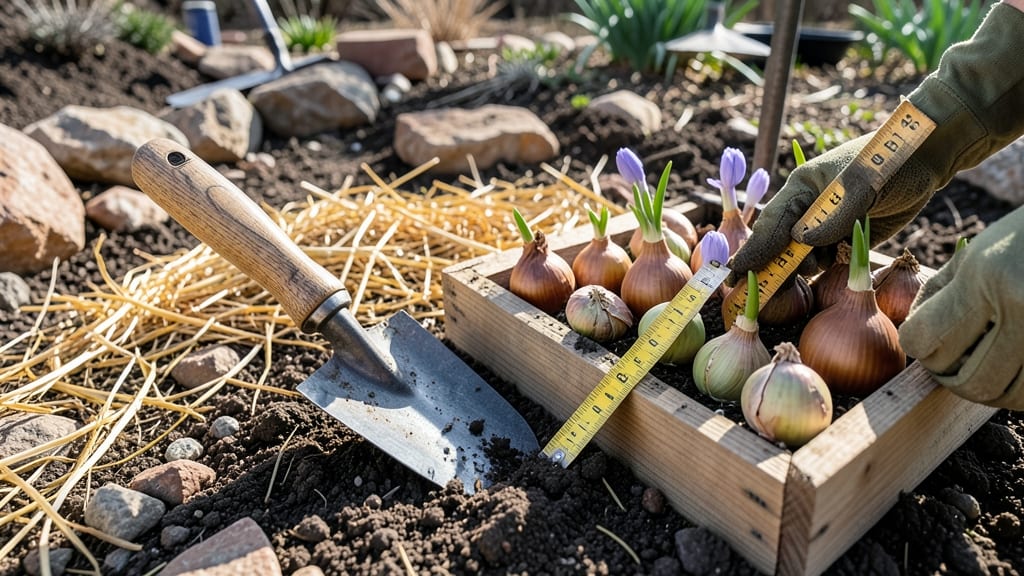
Timing your bulbs (general) 🌱 planting in Utah isn’t just about following a calendar—it’s about outsmarting the state’s tricky high-altitude climate and unpredictable frost dates. Plant too early, and your tulips might rot in soggy soil; too late, and winter’s first freeze could leave them vulnerable.
But get it right, and you’ll be rewarded with vibrant spring blooms that make your neighbors’ gardens look like amateurs’ attempts.
Here’s the kicker: what works for Salt Lake City’s microclimate won’t necessarily suit Park City’s cooler elevations. That’s why understanding Utah’s USDA zones 5-7—and how they shift from the Wasatch Front to the rural valleys—is the key to success.
Whether you’re planting daffodils in September or alliums in early spring, the right timing ensures your bulbs establish strong roots before winter sets in.
I’ve spent years testing what works (and what doesn’t) in Utah’s alkaline soil, and I’m about to share the exact schedule you need. From soil prep tricks to adjusting for late frosts, you’ll learn how to turn your garden into a springtime masterpiece—without guessing.
Let’s dive into the game-changer timing that’ll make your bulbs thrive.
Ready to skip the trial-and-error? You’ll discover when to plant for best results, how to protect your bulbs from Utah’s harsh winters, and even how to work with the state’s arid conditions. No more wasted bulbs or disappointing blooms—just a foolproof plan tailored to your corner of Utah.
Utah’s high-altitude bulb planting calendar: month-by-month guide for best results
Timing is everything when planting bulbs in Utah, where elevations range from 4,000 to 10,000 feet and frost can strike early or late. Most gardeners focus on fall planting for spring blooms, but summer planting for fall-flowering bulbs also works in Utah’s shorter growing season.
The key is planting 6-8 weeks before the first hard frost, which typically hits mid-October in Northern Utah and late October in Southern Utah.
For cold-hardy bulbs like tulips and daffodils, aim to plant between September 15 and October 15. This window ensures roots establish before winter while avoiding soil that’s too wet or frozen.
In USDA Zone 5 (Northern Utah), like Park City or Logan, start planting as early as late August for early blooms. Meanwhile, gardeners in Zone 7 (Southern Utah), such as St. George, can extend planting into November.
Spring planting is another option for tender bulbs like dahlias or cannas, which can’t survive Utah’s winters. Plant these after the last frost date, usually mid-April in Northern Utah and early April in Southern Utah.
Choose a sunny, well-drained spot and water deeply after planting to help roots establish quickly.
Here’s a quick reference for Utah’s bulb planting calendar, tailored to elevation and microclimates:
| Month | Bulbs to Plant | Notes for Utah Gardeners |
|---|---|---|
| August | Spring-flowering bulbs (Zone 5) | Early start for high elevations; soil should be warm but workable. |
| September | Tulips, Daffodils, Alliums | Ideal time for most Utah gardeners; plant before soil cools. |
| October | Crocus, Snowdrops, Hyacinths | Last chance for fall planting; avoid planting if ground is frozen. |
| March-April | Dahlias, Cannas, Caladiums | Wait until after last frost; ideal for tender bulbs. |
| July-August | Fall-flowering bulbs (e.g., Sternbergia) | Plant early to establish roots before fall rains. |
Utah’s alkaline soil can be a challenge for bulbs, which prefer slightly acidic conditions. Before planting, amend your soil with compost or peat moss to improve drainage and fertility. A pH test kit can help you determine if additional amendments are needed—aim for a pH of 6.0-7.0 for most bulbs.
In higher-elevation areas like Park City or Ogden, where winters are colder, opt for hardy varieties like daffodils or alliums, which tolerate Utah’s freeze-thaw cycles better than delicate tulips.
For low-elevation desert areas like St. George, focus on drought-tolerant bulbs like grape hyacinths or blanket flowers that thrive with minimal water.
Watering is critical in Utah’s arid climate. After planting, give bulbs a deep watering to encourage root growth, then reduce watering as temperatures drop. In spring, resume watering when shoots emerge, keeping the soil consistently moist but not soggy.
Mulching with straw or shredded leaves helps retain moisture and insulate bulbs during temperature swings.
Pro tip: Mark your bulb beds with plant labels or flags to avoid disturbing them during winter snow shoveling. This simple step can mean the difference between healthy blooms and missed opportunities.
🌱
How Utah’s microclimates affect bulb planting times (and what to do about it)
Utah’s diverse landscapes create microclimates that can shift bulb planting windows by weeks—even within the same city. The Wasatch Front (like Salt Lake City) averages USDA Zone 6-7, while Park City sits in Zone 5, and St. George enjoys Zone 8.
These differences mean your neighbor’s perfect planting time might be risky for your garden.
Elevation plays a huge role: every 1,000 feet up delays planting by about 1-2 weeks. For example, bulbs planted in Salt Lake City (4,200 ft) in early October might freeze if you’re gardening in Ogden (4,300 ft)—even just a few hundred feet higher can make a difference.
Mountain shadows also create cooler pockets where bulbs stay dormant longer.
To adapt, observe your local frost dates—not just the average. Check the National Weather Service’s Utah climate maps or use a minimum-maximum thermometer in your garden for 2 years to spot patterns.
For example, if your garden’s last frost consistently hits May 1 (not April 15), delay spring-planted bulbs until after that date.
Pro tip: Test your microclimate by planting a few tulip bulbs in late September and monitoring their survival. If they rot or freeze, you’ve found your safe planting window.
In high-altitude areas, opt for late-blooming varieties like ‘Darwin Hybrid’ tulips, which handle Utah’s unpredictable springs better than early bloomers.
Don’t overlook container gardening for tricky microclimates. Potted bulbs let you move them to sheltered spots during late frosts or bring them indoors if needed. Just ensure containers have drainage holes—Utah’s freeze-thaw cycles can crack pots without them.
Remember: Soil temperature matters more than air temperature. Use a soil thermometer to confirm bulbs are planted when soil is 45-55°F. In urban areas, pavement can keep soil 10°F warmer than rural gardens, so adjust timing accordingly.