
Plants
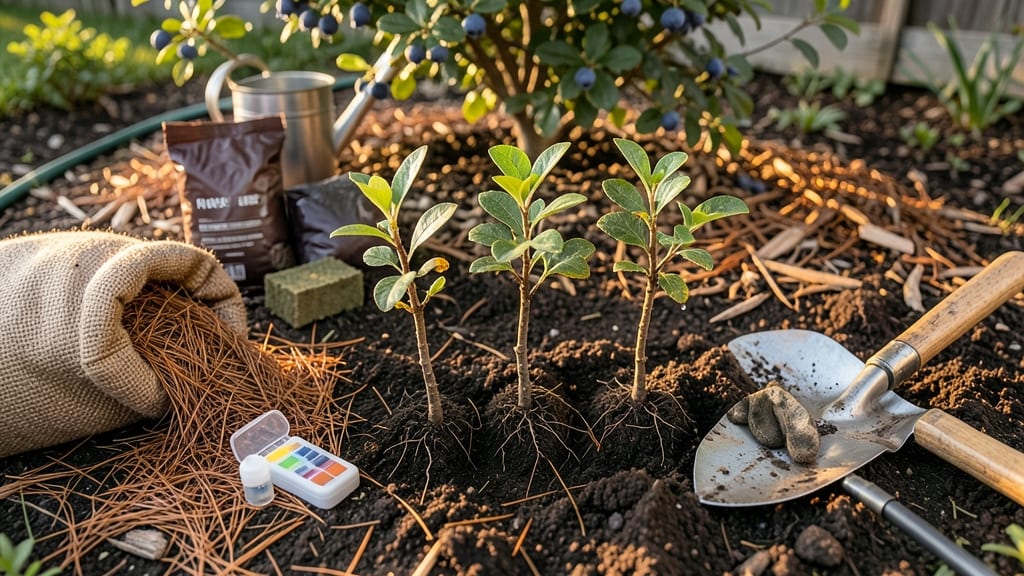
Timing your blueberry planting in Washington State isn’t just about grabbing a sapling at the nursery—it’s the difference between a thriving 🫐 bush and one that struggles to survive the first winter.
With USDA zones 5b-8b and microclimates ranging from the Puget Sound’s mild coastal air to Eastern Washington’s sharp frost, getting the window right means accounting for chill hours, soil thaw, and regional frost dates.
Most gardeners in WA swear by late winter to early spring planting (February through April), but fall (September-October) can work too—if you play by the rules. The key? Planting when the ground is workable but before new growth starts, so your blueberries establish roots without racing against frost.
Skip this step, and you might end up with leggy, weak plants that never bear fruit—or worse, ones that freeze back to the ground.
Here’s the game-changer: your specific zone matters. A Zone 5b gardener in Spokane needs to plant earlier than someone in Zone 8b near Vancouver, where milder winters mean a later window.
We’ll break down the exact months, soil prep secrets, and how to tell when your blueberries are ready to hit the ground—so you can avoid the most common mistakes and set your bushes up for a bountiful harvest in mid-to-late summer.
Whether you’re a first-timer or a seasoned WA gardener, mastering this timing will save you headaches—and maybe even a few bucks on replacement plants. Let’s get your blueberries in the ground at the perfect moment.
Optimal planting months for Washington State blueberries by hardiness Zone
Washington State’s diverse climate zones—from the cool Puget Sound to the warmer Columbia Basin—mean blueberry planting isn’t one-size-fits-all. In USDA Zones 5b–8b, timing your blueberries right ensures roots establish before summer heat or winter frost strikes.
I’ve planted blueberries across Western and Eastern WA and learned the hard way: March–May is the sweet spot for most gardeners, but your exact window depends on your last frost date and microclimate.
For Zone 5b (eastern WA), like Spokane or Wenatchee, aim for late April to early May—soil warms enough to avoid frost damage while still giving roots time to settle before summer.
In Zone 7b (Puget Sound), such as Seattle or Olympia, March is ideal—cooler temps and consistent rain create perfect conditions. Meanwhile, Zone 8b (Yakima Valley) gardeners should plant in February–March to beat the earlier spring warmth that can stress young plants.
🌱Pro Tip: Check your local last frost date (NOAA has great tools for this) and plant 4–6 weeks before to give roots time to establish. In Western WA, where rain is reliable, I often plant bare-root plants in late winter (February) for an earlier harvest.
In Eastern WA, where drought is a risk, I wait until April to ensure moisture.
📅Key Deadlines by Zone:
- Zone 5b (Spokane, Wenatchee): April 15–May 15
- Zone 6b (Pullman, Moses Lake): April 1–May 1
- Zone 7b (Seattle, Olympia): March 1–April 1
- Zone 8b (Yakima, Walla Walla): February 15–March 15
| Zone & Location | Best Planting Window | Soil Temp Threshold | Frost Risk |
|---|---|---|---|
| Zone 5b (Spokane, Wenatchee) | April 15–May 15 | 45°F+ (7°C+) | High (late frosts) |
| Zone 6b (Pullman, Moses Lake) | April 1–May 1 | 40°F+ (4°C+) | Moderate |
| Zone 7b (Seattle, Olympia) | March 1–April 1 | 35°F+ (2°C+) | Low (mild winters) |
| Zone 8b (Yakima, Walla Walla) | February 15–March 15 | 30°F+ (-1°C+) | Very Low |
🌡️ Soil temp matters more than air temp! Use a soil thermometer to confirm readiness.
💡Regional Nuances: In Western WA, where consistent rain keeps soil moist, I’ve had success planting bare-root plants in late February. However, in Eastern WA’s drier climates, I hold off until April to avoid root rot from soggy soil.
If you’re in Zone 8b, like Yakima, consider low-chill varieties (e.g., ‘Southland’) to avoid late spring frosts that can devastate early blooms.
🌿Container Planting? If you’re growing blueberries in pots (great for urban gardeners!), plant 1–2 weeks earlier than in-ground plants. Containers heat up faster and dry out quicker, so March is ideal for most of WA. Just ensure your pot has <
How chill hours affect blueberry planting success in WA’s climate
Washington State’s blueberries thrive thanks to its cool, wet winters and moderate summers, but not all varieties handle the same chill hours. Northern highbush types need 800–1,000+ chill hours, while southern highbush varieties often require just 400–600 hours.
If you plant the wrong variety, you’ll end up with sparse blooms or no fruit at all.
Chill hours are the number of hours below 45°F (7°C) your plants experience during winter dormancy. For example, Spokane (Zone 6b) averages 1,200+ chill hours, perfect for northern highbush varieties like ‘Duke’ or ‘Bluecrop’.
Meanwhile, Yakima (Zone 7a) sees only 700–900 chill hours, making southern highbush types like ‘O’Neal’ or ‘Misty’ better choices.
To check your local chill hours, visit the NOAA Climate Data website and input your USDA Zone. Most WA regions fall between 400–1,200 chill hours, but microclimates—like urban heat islands or sheltered valleys—can shift this range by 100–200 hours. Adjust your planting timing or variety choice accordingly.
🌱
- Chill Hour Needs by Blueberry Type
- Adjust Planting for Low-Chill Areas
✅ Choose low-chill varieties like ‘Top Hat’ or ‘Chester’ for Zone 7–8 regions.
✅ Use black plastic mulch to warm soil and extend the growing season in cooler microclimates.
If you’re in a warmer microclimate like the Yakima Valley, consider planting half-high varieties that tolerate 500–700 chill hours. These bushes mature faster and produce fruit 1–2 years earlier than standard types, giving you a quicker harvest.
For container growing, chill hours matter less because pots can be moved to protected spots during winter. However, ensure your containers are insulated with straw or bubble wrap to help roots endure WA’s freeze-thaw cycles.
This trick works especially well in Zone 8b areas like Vancouver or Bellingham.
Timing your planting around chill hour accumulation ensures your blueberries bloom and fruit reliably. For example, in Zone 6b, plant in late winter (March) to let roots establish before the peak chill period (Dec–Feb). In Zone 8a, fall planting (Sept–Oct) aligns better with natural chill accumulation.