
Planting
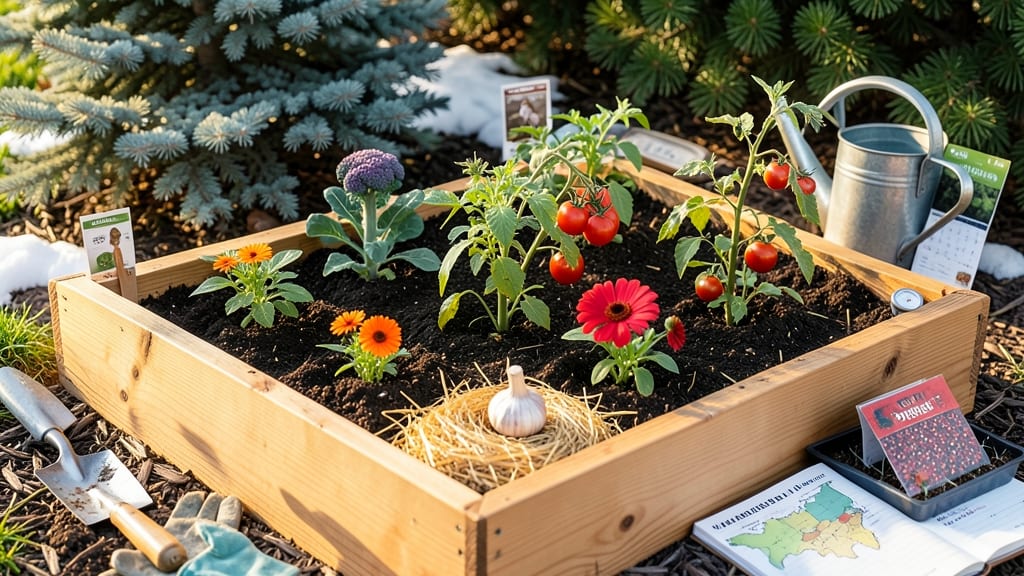
Timing when to plant a garden in Colorado just right can mean the difference between a thriving harvest and a frost-killed disappointment. Knowing when to plant a garden in Colorado isn't about guessing—it's about reading your USDA zone like a map to success, especially with our unpredictable frost dates.
With USDA zones 5-7 across the state, your planting window varies wildly—from Denver's last frost around April 15 to mountain regions where snow lingers until May. That's why I've broken down the exact months to start seeds, transplant seedlings, and even extend your season with smart tricks.
You'll discover how to align your planting with Colorado's 120-180 frost-free days, plus month-by-month deadlines for everything from cool-weather greens to heat-loving tomatoes. Let's turn your gardening dreams into a foolproof plan.
Whether you're a first-time gardener or a seasoned pro, these zone-specific strategies will help you avoid common mistakes and maximize your harvest. Ready to grow with confidence?
Colorado’s USDA zones explained: when to plant based on your location
Colorado’s diverse landscapes—from the Front Range to the Western Slope—create wildly different planting windows. The state spans USDA Zones 4-7, meaning your last frost date could be as early as April 15 in Denver or as late as June 1 in high-altitude areas.
Elevation plays a massive role: every 1,000 feet gain delays spring by about 3-5 days.
For example, Zone 4 (northern Colorado) has a 100-day growing season, while Zone 7 (southern Colorado) enjoys 180 frost-free days. Microclimates—like urban heat islands or sheltered valleys—can shift your planting window by 2-3 weeks. Always check your local CoCoRaHS station for precise frost data.
Here’s how to match your location to the right planting schedule:
| USDA Zone | Last Frost Date | First Frost Date | Plant Cool-Season Crops | Plant Warm-Season Crops |
|---|---|---|---|---|
| Zone 4 (Fort Collins, Steamboat) | May 10–20 | September 15–October 1 | March 15–April 15 | June 1–15 |
| Zone 5 (Denver, Boulder) | April 15–May 1 | October 1–15 | March 1–April 1 | May 15–June 1 |
| Zone 6 (Colorado Springs) | May 1–15 | October 15–31 | February 15–March 15 | April 30–May 15 |
| Zone 7 (Albuquerque, Durango) | May 15–June 1 | November 1–15 | January 15–February 15 | April 15–30 |
*Dates vary by microclimate; check local weather for adjustments.
If you’re in Zone 5 or 6, prioritize cool-season crops like kale and peas in early spring, then switch to tomatoes and peppers after Memorial Day. In Zone 7, you can even plant fall lettuce as late as August 15 for a harvest before frost.
Pro tip: Use a soil thermometer to confirm 50°F soil temps before planting warm-season crops. Cold soil stunts root growth, even if air temps are warm. In high-altitude areas, wait until 60°F for heat-loving plants like cucumbers
Best months to plant in Colorado: a month-by-month survival guide for gardeners
Colorado’s short growing season demands precision—planting too early risks frost, while waiting too long cuts harvests short. My month-by-month guide aligns with Denver’s average last frost (April 15) and Colorado Springs’ May 15 target, but adjust for your local microclimate.
Start with cool-season crops in early spring and transition to heat-lovers by summer.
March is all about preparation. Test your soil temperature—it should hit 40°F+ for peas and spinach. Harden off seedlings indoors and plan cold frames for delicate starts like lettuce. Avoid planting outdoors yet; March’s unpredictable frosts can kill tender greens overnight.
🌱
- 1 March: Start peas, spinach, kale indoors or under row covers. Soil temps must be 40°F+.
- 2 April: Plant cool-season veggies (carrots, beets) and hardy flowers (pansies, snapdragons) after last frost. Transplant broccoli, cabbage when soil hits 50°F.
- 3 May: Warm-season crops (tomatoes, peppers, squash) go in after soil reaches 60°F. Use black plastic mulch to warm beds faster.
- 4 June: Succession plant lettuce, radishes for fall harvest. Watch for pest outbreaks—cover crops with floating row covers if needed.
- 5 July: Second planting of beans, cucumbers. Mulch heavily to retain moisture—Colorado’s dry heat stresses plants.
- 6 August: Start fall crops (kale, Brussels sprouts) 6–8 weeks before first frost. Harvest warm-season plants before September’s heat tapers growth.
July’s blistering heat (often 90°F+) stresses plants, so prioritize shade cloth for lettuce and drip irrigation to keep roots cool. Succession planting every 2 weeks ensures a steady harvest—try bush beans or radishes for quick turnarounds.
August marks your last chance for fall planting. Aim for kale, carrots, and spinach, which thrive in cool nights. Use straw mulch to insulate soil and extend the season by 2–3 weeks.
Monitor first frost alerts—Denver’s average hits October 15, but high-altitude areas (like Fort Collins) freeze earlier.
🌿
Pro tip: Colorado’s Western Slope (e.g., Grand Junction) has a 2-week earlier last frost than Denver. Adjust your timeline by 10–14 days if you’re in USDA Zone 6. Always check microclimates—south-facing beds warm faster than north exposures.