
Planting
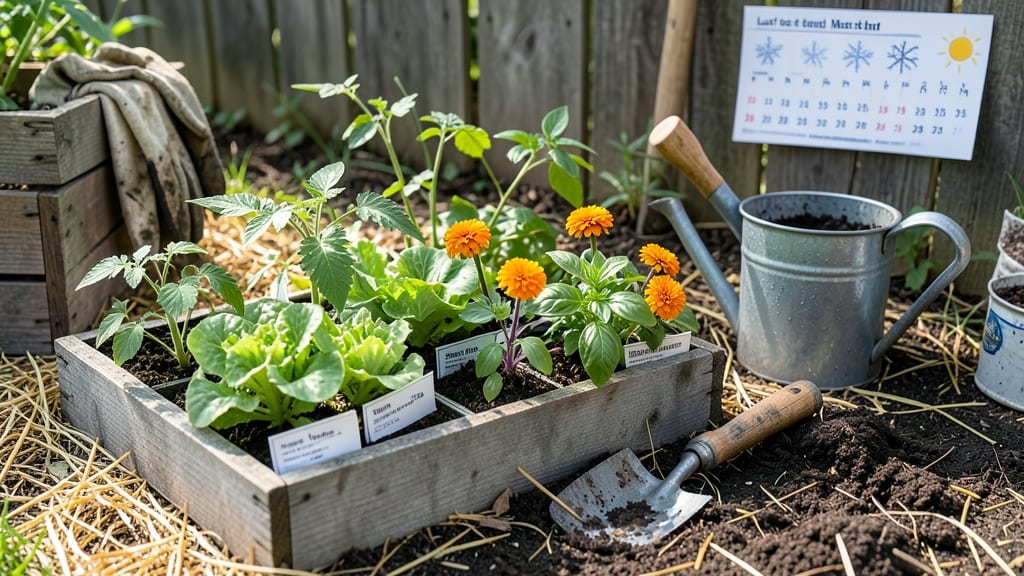
When should I plant my garden in Maryland? Timing it just right means the difference between a thriving harvest and a sad, frost-nipped disappointment. Whether you're dreaming of crisp lettuce or vibrant marigolds, getting your 🌱 planting schedule wrong can throw off your entire growing season.
Maryland’s 6a-7b climate zones create unique challenges—coastal areas warm faster than Piedmont regions, and urban heat islands can trick even experienced gardeners. That’s why knowing your last frost date (usually mid-April but varying by county) is the game-changer for planning your spring and fall plantings.
In this guide, I’ll break down the exact planting windows for your General Garden Vegetables & Flowers, so you can start seeds indoors or direct-sow with confidence. No more guessing whether your tomatoes will survive that late-May chill or if your fall broccoli will bolt too soon.
Let’s get your garden on the right track—because in Maryland, the weather can shift faster than you can say “harvest time.” You’ll learn how to adjust for your specific county, avoid common mistakes, and even extend your growing season with simple tricks. Ready to plant with precision?
Maryland’s last frost dates by county: when to plant cool-season vs warm-season crops
Maryland’s diverse geography—from the Coastal Plain to the Piedmont—means frost dates vary dramatically. In Baltimore County, the average last spring frost arrives by April 15, while Western Maryland (like Garrett County) often waits until May 1.
These differences matter because planting cool-season crops like spinach or warm-season crops like tomatoes too early or late can ruin your harvest.
For cool-season vegetables (e.g., lettuce, peas, broccoli), I recommend starting seeds 4-6 weeks before your local last frost date. In Eastern Shore counties (like Somerset), that means sowing by March 15, while Montgomery County gardeners should wait until April 1.
Warm-season crops like tomatoes, peppers, and cucumbers need to wait until 2 weeks after the last frost—typically mid-May in most regions.
Here’s how to use Maryland’s frost dates to plan your 2024 garden:
| County | Avg. Last Spring Frost | Cool-Season Planting Window | Warm-Season Planting Window | Notes |
|---|---|---|---|---|
| Baltimore City | April 10 | March 15–April 5 | April 25–May 10 | Urban microclimates may frost later; use row covers. |
| Montgomery County | April 15 | March 20–April 10 | May 1–May 15 | Suburban areas often 2–3 days earlier than rural. |
| Frederick County | April 22 | March 25–April 15 | May 5–May 20 | Higher elevation = later frosts; plant late varieties. |
| Somerset County | April 5 | March 1–March 25 | April 20–May 5 | Coastal areas frost earlier; extend season with tunnels. |
| Garrett County | May 1 | April 1–April 20 | May 10–May 25 | Mountainous regions; choose cold-hardy varieties. |
If you’re growing flowers or herbs, timing matters just as much. Annuals like marigolds can handle light frosts, so I plant them as early as March 20 in Southern Maryland. Perennials like lavender should wait until after April 15 in most areas to avoid winterkill.
For herbs like basil, which hate cold, I wait until May 10—even in warmer counties.
Pro tip: Use row covers or cold frames to extend your planting window by 2-3 weeks in early spring or late fall. This is especially helpful in Northern Maryland, where frosts linger longer. For example, I’ve successfully grown spinach in February under covers in Prince George’s County.
For fall planting, aim to sow cool-season crops by August 15 in Southern Maryland and September 1 in Northern regions. The first frost typically arrives between October 15–25, so plan accordingly. Kale and Brussels sprouts actually taste sweeter after light frosts, making them perfect for fall gardens.
Don’t forget to account for microclimates. Urban areas like Baltimore can be 3–5°F warmer than rural spots due to the heat island effect. If you’re unsure, check your local Cooperative Extension office or use a frost calendar app like Old Farmer’s Almanac for real-time updates.
Start your indoor seedlings in February for early transplants. Tomatoes, peppers, and eggplants need 6–8 weeks of indoor growing before outdoor planting. I swear by grow lights for consistent growth—natural light alone can’t cut it in Maryland’s short days.
Finally, keep a gardening journal to track your local frost dates. Over time, you’ll notice patterns—like how La Niña years bring earlier frosts or how urban heat delays spring in your neighborhood. Adjust your schedule yearly based on your observations.
How to adjust your planting schedule for Maryland’s unique climate zones
Maryland’s USDA Hardiness Zones 6b-7b create microclimates that can shift planting windows by 2-3 weeks between counties. For example, Baltimore County (Zone 7a) enjoys earlier last frosts than Western Maryland (Zone 6b), where colder air lingers longer in valleys. Understanding these zones helps you extend seasons and grow more successfully.
Start by checking your local frost dates—most Maryland counties experience their last spring frost between April 15-30. Use this as your baseline, then adjust based on your elevation and urban heat islands.
City gardens like those in Annapolis or Bowie may warm up 5-7 days earlier than rural areas due to concrete absorbing heat.
For cool-season crops like lettuce or peas, plant 4-6 weeks before your last frost date. In Zone 7a, this means mid-March for early varieties, while Zone 6b gardeners should wait until late March.
Warm-season crops like tomatoes and peppers need soil temps above 60°F, which typically occurs 2-3 weeks after the last frost in most regions.
🌱Pro Tip: Use row covers or cold frames to push your planting window 2-4 weeks earlier for frost-sensitive plants. I’ve successfully grown spinach and kale in late February by covering them with lightweight fabric—just remove it when temps rise above 50°F during the day.
🌡️ Maryland Planting Adjustments by Zone
- 📅 Last frost: April 25
- ❄️ First frost: October 15
- 🌱 Cool-season start: March 15
- ☀️ Warm-season start: May 10
- 📅 Last frost: April 10
- ❄️ First frost: October 25
- 🌱 Cool-season start: March 1
- ☀️ Warm-season start: April 25
- 📅 Last frost: March 25
- ❄️ First frost: November 1
- 🌱 Cool-season start: February 15
- ☀️ Warm-season start: April 15
💡 Key Adjustments: Add 1-2 weeks to planting dates in Zone 6b vs Zone 7b. Use frost-tolerant varieties (e.g., 'Early Girl' tomatoes) in colder zones.
Container gardening offers another way to customize your schedule. Potted plants warm up faster in spring because soil heats quicker in containers. I’ve planted basil and peppers in pots 2 weeks earlier than in-ground plants with great success.
Just ensure containers have drainage holes and use heat-retaining fabric around pots to protect roots from late frosts.
For fall planting, aim to sow cool-season crops 60-90 days before your first frost. In Zone 6b, this means mid-August for kale, while Zone 7b gardeners can extend until early September.
Use row covers again to protect young seedlings from early October frosts, especially in northern Maryland.
🌿 Final Tip: Keep a gardening journal to track your local frost dates and adjust future years. I’ve found my actual last frost often occurs 1-2 weeks later than the average—plan for flexibility and have backup row covers ready!